Why This Moment Matters for Every Consumer
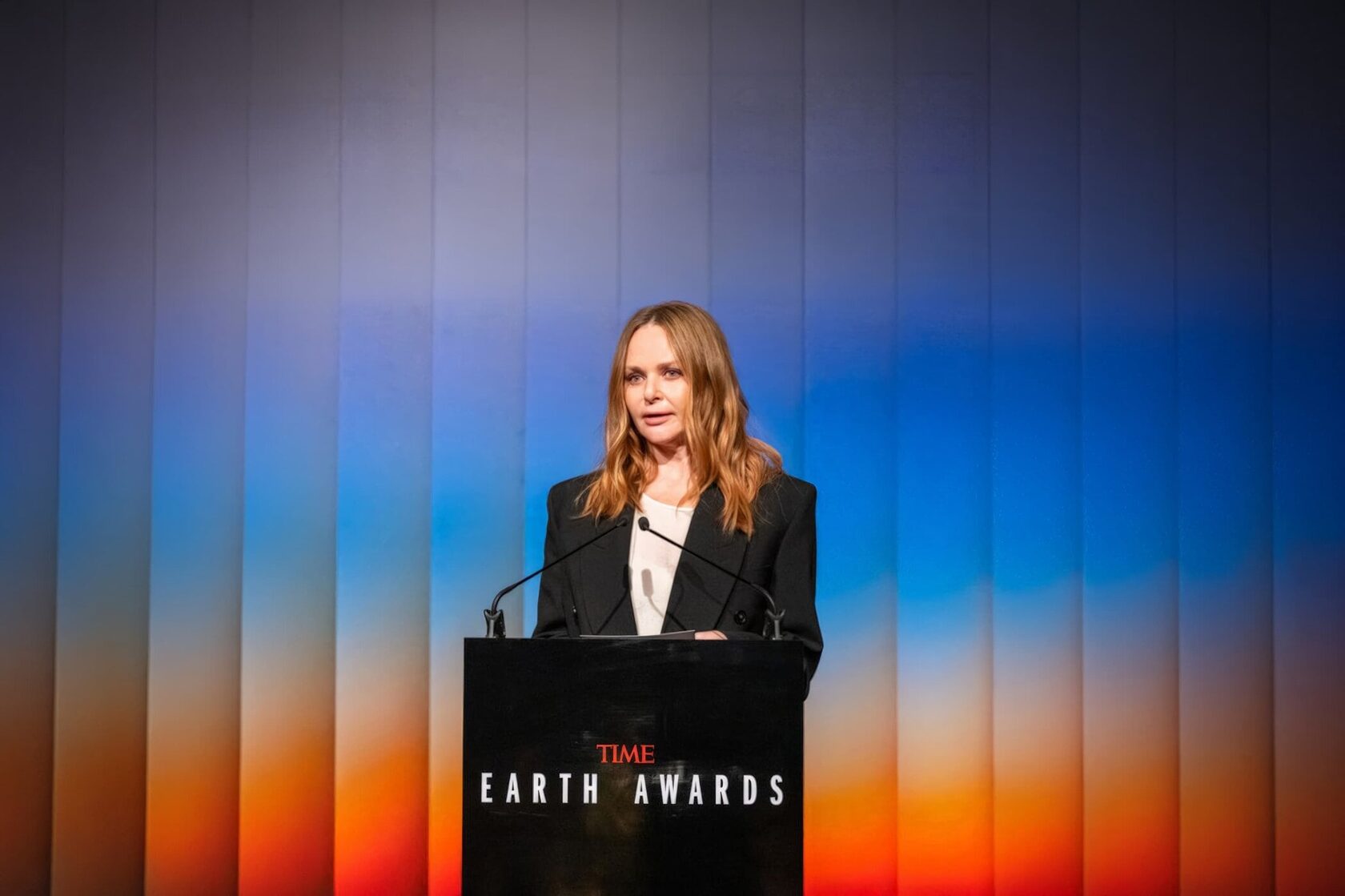
When Stella McCartney accepted the TIME Earth Award in 2026, her message was direct and impossible to ignore: the fashion industry must change. Known for her long-standing commitment to sustainable fashion, ethical production, and cruelty-free design, McCartney used the platform to highlight the urgent need for systemic transformation. Her speech wasn’t just aimed at designers or corporations—it was a call to action for consumers as well.
The fashion industry is responsible for significant environmental impact, contributing to carbon emissions, water pollution, and waste. McCartney’s recognition by TIME underscores a broader cultural shift toward carbon-conscious living and circular fashion. For everyday shoppers, this moment signals something important: our choices matter more than ever, and the future of fashion depends on collective action.
The Power of Leadership in Sustainable Fashion
How Stella McCartney Set the Standard
Stella McCartney has spent decades proving that luxury and sustainability are not mutually exclusive. As one of the earliest advocates of vegan and ethical fashion, she has consistently rejected leather, fur, and harmful production methods, instead investing in innovative materials like plant-based alternatives and regenerated textiles.
In her TIME Earth Award acceptance speech, McCartney emphasised that “this is not a time for incremental change—it’s a time for radical transformation” (TIME, 2026). This statement reflects her belief that the industry must move beyond greenwashing and embrace genuine sustainability at every level.
Her leadership has influenced major fashion houses and inspired emerging designers to adopt circular fashion principles. By prioritising transparency, responsible sourcing, and innovation, she has shown that sustainable fashion can be both aspirational and accessible.
Why the Fashion Industry Must Change Now
The Environmental Cost of Fast Fashion
The urgency behind McCartney’s message lies in the stark reality of the fashion industry’s environmental footprint. Fast fashion has accelerated production cycles, leading to overconsumption and waste. Millions of garments end up in landfills each year, while textile production continues to strain natural resources.
According to industry estimates, fashion accounts for around 10% of global carbon emissions, making it one of the largest polluting industries. Water usage is equally concerning, with thousands of litres required to produce a single cotton garment.
McCartney highlighted these issues during her award recognition, noting that innovation must replace outdated systems that prioritise speed and profit over sustainability (The Impression, 2026). The shift toward carbon-conscious practices is no longer optional—it is essential for the planet’s future.
What This Means for Consumers
Your Role in Driving Change
While industry leaders play a crucial role, consumers hold significant power. Every purchase is a vote for the kind of fashion system we want to support. Choosing sustainable fashion, ethical brands, and vegan materials contributes to a more responsible industry.
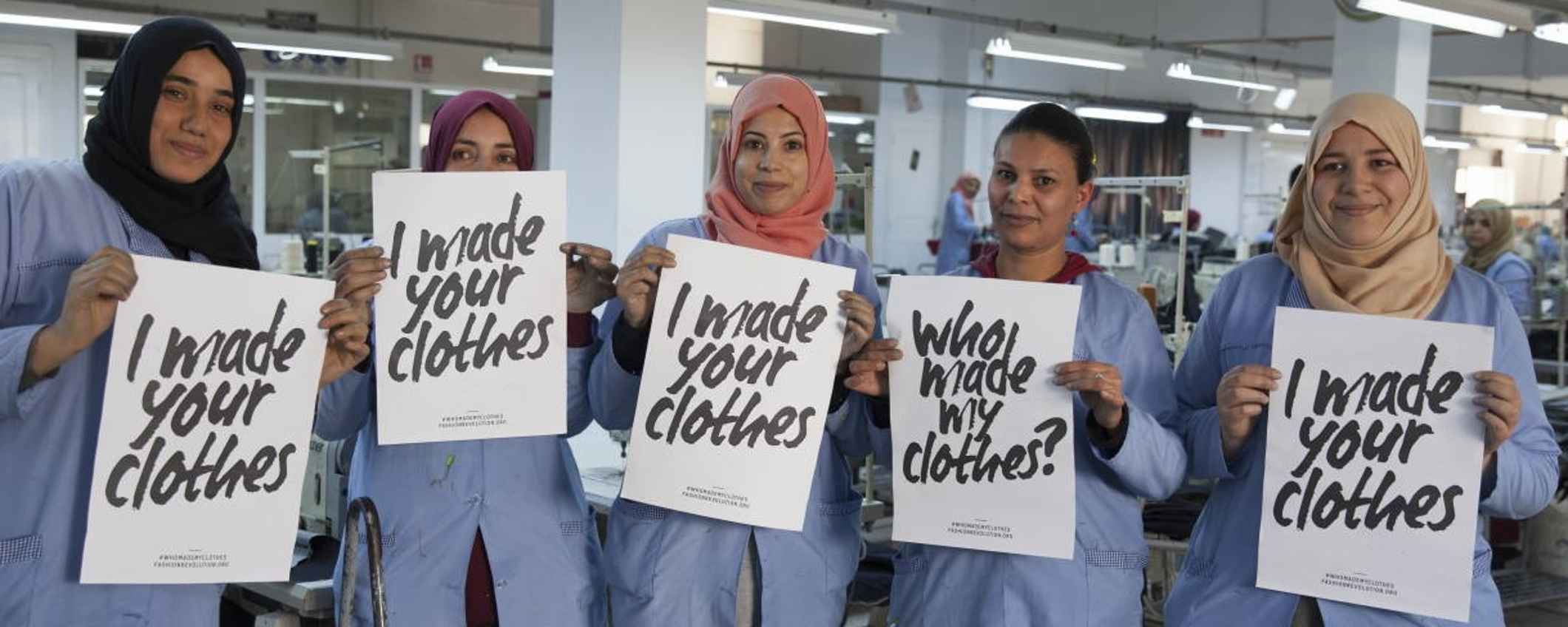
Consumers are increasingly aware of the impact of their choices, and this awareness is driving demand for transparency. Questions like “Who made my clothes?” and “What materials are used?” are becoming standard. This shift encourages brands to adopt better practices, from reducing waste to embracing circular fashion models such as resale, repair, and recycling.
McCartney’s message reinforces that change is a shared responsibility. By making informed decisions, consumers can help reduce the industry’s environmental impact and support brands that prioritise sustainability.
The Rise of Circular and Carbon-Conscious Fashion
A New Era of Innovation
One of the most promising developments in fashion is the rise of circular fashion. This approach focuses on extending the lifecycle of garments through reuse, recycling, and responsible production. Instead of a linear “take-make-dispose” model, circular fashion creates a system where materials are continuously repurposed.
McCartney has been a pioneer in this space, investing in technologies that reduce waste and promote sustainability. From biodegradable fabrics to regenerative agriculture, her work demonstrates how innovation can reshape the industry.
Carbon-conscious fashion is also gaining momentum, with brands measuring and reducing their carbon footprints. This includes using renewable energy, minimising transportation emissions, and adopting sustainable supply chains.
For consumers, this means more options to shop responsibly without compromising on style. The growth of ethical fashion platforms and second-hand marketplaces makes it easier than ever to participate in a circular economy.
Looking Ahead: The Future of Fashion
From Awareness to Action
The recognition of Stella McCartney by TIME is more than an individual achievement—it represents a turning point for the fashion industry. It signals that sustainability is no longer a niche concern but a central priority.
However, awareness alone is not enough. The industry must translate commitments into measurable action. This includes setting clear sustainability targets, investing in innovation, and ensuring accountability across supply chains.
For consumers, the future of fashion is an opportunity to align personal values with purchasing decisions. Supporting ethical fashion, choosing vegan materials, and embracing circular fashion practices are all ways to contribute to a more sustainable world.
McCartney’s message is ultimately one of hope. Change is possible, but it requires collaboration between brands, governments, and consumers. By working together, the fashion industry can become a force for positive environmental and social impact.
Take the Next Step Towards Sustainable Style
Join the Movement
The conversation sparked by Stella McCartney’s TIME Earth Award reminds us that fashion is not just about what we wear—it’s about the impact we leave behind. As consumers, we have the power to shape a more sustainable future by making conscious choices and supporting brands that prioritise ethical and environmental responsibility.
At The Carbon Closet, we are committed to making sustainable fashion accessible and inspiring. As a platform dedicated to carbon-conscious, circular fashion, we help you discover ethical, vegan, and environmentally responsible clothing options that align with your values. Explore how your wardrobe can become part of the solution—and join the movement toward a better, more sustainable fashion industry. Shop Stella McCartney, alongside hundreds of other chic and conscious brands on our website and sign up to our newsletter to receive more top sustainable fashion stories.
Want to know more?
Here are some of our other blogs we think you'll love:
Here are some of our other blogs we think you'll love:
