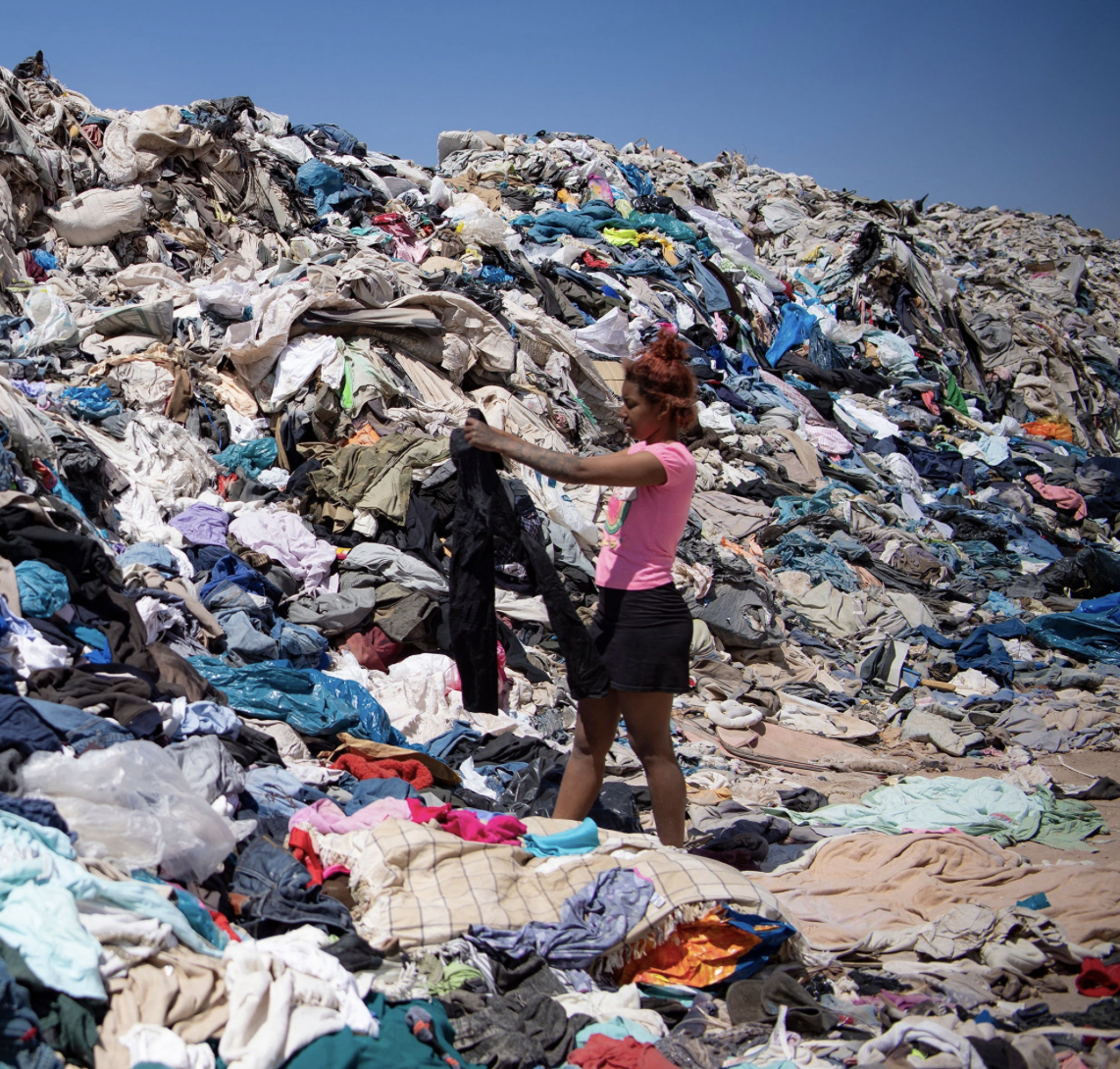
Fast fashion and slow fashion represent fundamentally opposing approaches to clothing production and consumption. Fast fashion prioritises speed and low costs through 52+ micro-seasons annually, synthetic materials, poverty wages, and disposable designs lasting 1-2 years producing 10% of global emissions and filling landfills with 85% of textiles within one year. Slow fashion emphasises quality, ethics, and longevity through 2-4 seasonal collections, organic materials, living wages, and timeless designs lasting 5-10+ years reducing environmental impact by up to 90%. Understanding these differences empowers consumers to make informed choices: cheap prices externalise costs through exploitation and pollution, whilst quality investments deliver better value through superior cost-per-wear and dramatically lower lifetime impact.
Quick Comparison: Fast Fashion vs Slow Fashion
What is Fast Fashion?
Fast fashion is a business model maximising profit through rapid production of cheap, trend-driven clothing. Brands like Shein, Boohoo, Primark, and Fashion Nova epitomise this approach, releasing thousands of new styles weekly to capitalise on Instagram trends before they expire.
Fast Fashion Characteristics:
Speed: New collections drop weekly or even daily. Shein adds 6,000+ new styles daily, creating 52+ micro- seasons annually compared to fashion's traditional 2-4 seasonal collections.
Low Prices: £5 t-shirts, £15 dresses, £25 jeans achieve artificially cheap prices by externalising costs through poverty wages, environmental pollution, and planned obsolescence.
Poor Quality: Thin fabrics, weak seams, and cheap materials ensure garments fall apart after 10-20 wears— intentionally encouraging repurchase.
Trend Chasing: Designs copy runway looks and viral social media trends within weeks, prioritising novelty over longevity.
Synthetic Materials: Polyester dominates (60% of fast fashion) due to low cost, despite microplastic pollution and petroleum dependence.
Opaque Supply Chains: Brands deliberately obscure supplier information, preventing accountability for exploitation and environmental damage.
Low Prices: £5 t-shirts, £15 dresses, £25 jeans achieve artificially cheap prices by externalising costs through poverty wages, environmental pollution, and planned obsolescence.
Poor Quality: Thin fabrics, weak seams, and cheap materials ensure garments fall apart after 10-20 wears— intentionally encouraging repurchase.
Trend Chasing: Designs copy runway looks and viral social media trends within weeks, prioritising novelty over longevity.
Synthetic Materials: Polyester dominates (60% of fast fashion) due to low cost, despite microplastic pollution and petroleum dependence.
Opaque Supply Chains: Brands deliberately obscure supplier information, preventing accountability for exploitation and environmental damage.
The True Cost of Fast Fashion:
Environmental Devastation:
- Fashion produces 10% of global greenhouse gas emissions
- Textile dyeing contributes 20% of industrial water pollution
- 85% of textiles end in landfills within one year
- Microplastic pollution: 500,000 tonnes annually from synthetic garments
- Conventional cotton uses 16% of global pesticides on 2.5% of agricultural land
Human Exploitation:
- Garment workers earn £0.13-0.25/hour in Bangladesh, Cambodia, Myanmar
- 80% are women facing harassment, discrimination, no maternity rights
- Unsafe factories: Rana Plaza collapse killed 1,138 workers in 2013
- Child labour persists in cotton farming and garment production
- No unions, no sick pay, no job security
Consumption Crisis:
- Average person buys 60% more clothing than 15 years ago
- 50% disposed of within one year
- Britons buy more clothes per person than any other European country
- £140 million worth of clothing goes to landfill annually in UK
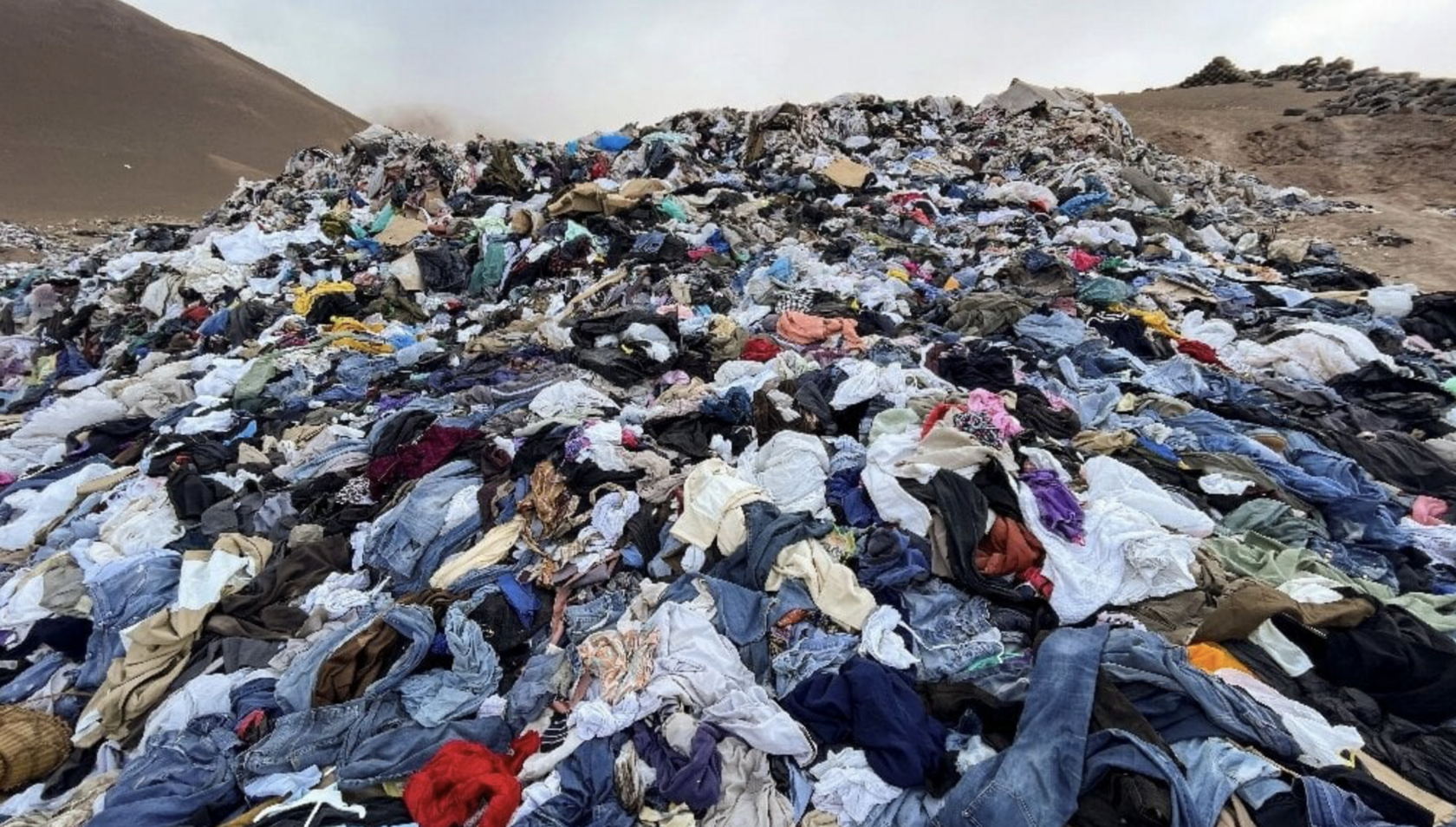
What is Slow Fashion?
Slow fashion is a movement prioritising quality, ethics, and sustainability over speed and disposability. Coined by Kate Fletcher in 2007, slow fashion advocates buying fewer, better-quality garments that last years, supporting transparent supply chains with fair wages, and choosing timeless styles over trends.
Slow Fashion Characteristics:
Quality First: Durable materials, reinforced seams, and superior construction create garments lasting 5-10+ years with proper care.
Ethical Production: Living wages, safe factories, workers' rights, and transparent supply chains ensure dignity throughout production.
Sustainable Materials: Organic cotton, linen, hemp, Tencel, and recycled fibres dramatically reduce environmental impact.
Timeless Design: Classic, versatile pieces transcend trends, enabling capsule wardrobes with fewer items creating more outfits.
Transparent Supply Chains: Brands share supplier names, factory conditions, material sourcing- accountability fast fashion avoids.
Fair Pricing: Higher upfront costs reflect true production costs: living wages, organic materials, sustainable practices. Better cost-per-wear over lifetime.
Circular Design: Garments designed for repair, resale, and recycling. Many brands offer free lifetime repairs and take-back programmes.
Ethical Production: Living wages, safe factories, workers' rights, and transparent supply chains ensure dignity throughout production.
Sustainable Materials: Organic cotton, linen, hemp, Tencel, and recycled fibres dramatically reduce environmental impact.
Timeless Design: Classic, versatile pieces transcend trends, enabling capsule wardrobes with fewer items creating more outfits.
Transparent Supply Chains: Brands share supplier names, factory conditions, material sourcing- accountability fast fashion avoids.
Fair Pricing: Higher upfront costs reflect true production costs: living wages, organic materials, sustainable practices. Better cost-per-wear over lifetime.
Circular Design: Garments designed for repair, resale, and recycling. Many brands offer free lifetime repairs and take-back programmes.
Slow Fashion Benefits:
Environmental:
- Organic cotton uses 91% less water than conventional
- No pesticides protecting soil, waterways, farmworkers
- Durable designs reduce consumption by 80%
- Circular models keep textiles in use, out of landfills
- Lower carbon emissions through quality over quantity
Social:
- Living wages lifting workers out of poverty
- Safe factories preventing tragedies like Rana Plaza
- Workers' rights including unions, sick pay, maternity leave
- Gender equality initiatives in female-dominated industry
- Community investment through Fair Trade premiums
Economic:
- Better cost-per-wear: £100 coat lasting 10 years = £10/year
- Resale value: Quality items retain 30-50% retail price
- Repair extends lifespan indefinitely (Nudie offers free repairs)
- Less consumption = more savings long-term
Direct Comparison: 10 Key Differences
1. Production Speed
Fast Fashion: Releases new collections weekly or daily. Shein adds 6,000+ styles daily; Zara introduces 500+ new designs weekly. This breakneck pace demands exploitation: workers sleep in factories to meet deadlines.
Slow Fashion: Produces 2-4 seasonal collections annually. Brands like Rapanui use made-to-order technology, manufacturing only what's purchased-eliminating overproduction waste.
Winner: Slow fashion's measured pace enables quality control, ethical treatment, and sustainable practices impossible at fast fashion's speed.
Slow Fashion: Produces 2-4 seasonal collections annually. Brands like Rapanui use made-to-order technology, manufacturing only what's purchased-eliminating overproduction waste.
Winner: Slow fashion's measured pace enables quality control, ethical treatment, and sustainable practices impossible at fast fashion's speed.
2. Material Quality
Fast Fashion: Prioritises cheap polyester (60% of garments) and conventionally-grown cotton. Thin fabrics pill after three washes, seams split, colours fade. Designed for obsolescence.
Slow Fashion: Uses organic cotton, linen, hemp, Tencel, and recycled fibres. GOTS-certified organic cotton lasts 3-5x longer, softens with age, and withstands 50+ washes without degrading.
Winner: Slow fashion's superior materials justify higher prices through dramatically longer lifespans and better wearing experience.
Slow Fashion: Uses organic cotton, linen, hemp, Tencel, and recycled fibres. GOTS-certified organic cotton lasts 3-5x longer, softens with age, and withstands 50+ washes without degrading.
Winner: Slow fashion's superior materials justify higher prices through dramatically longer lifespans and better wearing experience.
3. True Cost
Fast Fashion £15 Dress:
- Wears out after 10-15 wears (1 season)
- Cost-per-wear: £1-1.50
- Five replacements over 5 years = £75
- Environmental damage: incalculable
- Worker exploitation: poverty wages, unsafe conditions
Slow Fashion £75 Dress:
- Lasts 5+ years (100+ wears)
- Cost-per-wear: £0.75
- One purchase over 5 years = £75
- Environmental impact: 90% lower
- Worker welfare: living wages, safe conditions
Winner: Slow fashion delivers better value through cost-per-wear, environmental responsibility, and ethical production despite higher upfront cost.
4. Labour Practices
Fast Fashion:
- Poverty wages: £0.13-0.25/hour in Bangladesh
- Unsafe factories: Rana Plaza killed 1,138 workers
- No workers' rights: unions banned, no sick pay
- Gender inequality: 80% women facing harassment
- Child labour persists in supply chains
Slow Fashion:
- Living wages: Fair Trade/Fair Wear certification
- Safe factories: regular audits, safety standards
- Workers' rights: unions, sick pay, maternity leave
- Gender equality initiatives
- Transparent supply chains preventing exploitation
Winner: Slow fashion's commitment to dignity and safety represents bare minimum ethical standards fast fashion refuses to meet.
5. Environmental Impact
Fast Fashion:
• 2,700L water per t-shirt (conventional cotton)
• 16% of global pesticides for cotton
• 20% industrial water pollution from textile dyeing
• 500,000 tonnes microplastic pollution annually
• 85% of textiles to landfill within one year
• 16% of global pesticides for cotton
• 20% industrial water pollution from textile dyeing
• 500,000 tonnes microplastic pollution annually
• 85% of textiles to landfill within one year
Slow Fashion:
• 243L water per t-shirt (organic cotton = 91% less)
• Zero pesticides protecting ecosystems
• Non-toxic dyes, water recycling in production
• Natural fibres biodegrading, no microplastics
• Circular design: repair, resale, recycling
• Zero pesticides protecting ecosystems
• Non-toxic dyes, water recycling in production
• Natural fibres biodegrading, no microplastics
• Circular design: repair, resale, recycling
Winner: Slow fashion reduces environmental impact by up to 90% through sustainable materials and practices.
6. Design Philosophy
Fast Fashion: Copies runway trends and viral Instagram looks within weeks. Designs expire in 4-8 weeks as new trends emerge. Encourages constant consumption through planned obsolescence and trend chasing.
Slow Fashion: Creates timeless, versatile pieces transcending trends. A well-cut white shirt, quality denim, or cashmere jumper works for decades. Enables capsule wardrobes maximising outfits from minimal pieces.
Winner: Slow fashion's timeless approach reduces consumption whilst maintaining style—proven by vintage fashion's enduring appeal.
Slow Fashion: Creates timeless, versatile pieces transcending trends. A well-cut white shirt, quality denim, or cashmere jumper works for decades. Enables capsule wardrobes maximising outfits from minimal pieces.
Winner: Slow fashion's timeless approach reduces consumption whilst maintaining style—proven by vintage fashion's enduring appeal.
7. Transparency
Fast Fashion: Deliberately obscures supply chains. Won't disclose factory locations, worker conditions, or material sourcing. This opacity enables exploitation and prevents consumer accountability.
Slow Fashion: Radical transparency sharing supplier names, factory audits, material origins, and environmental impact. Yes Friends even lets customers tip garment workers directly.
Winner: Slow fashion's transparency enables informed choices and accountability-prerequisites for ethical consumption.
Slow Fashion: Radical transparency sharing supplier names, factory audits, material origins, and environmental impact. Yes Friends even lets customers tip garment workers directly.
Winner: Slow fashion's transparency enables informed choices and accountability-prerequisites for ethical consumption.
8. Repairability
Fast Fashion: Designed for disposability. Cheap materials and construction make repair impractical or impossible. No repair services offered-brands profit from replacement.
Slow Fashion: Designed for longevity and repair. Many brands offer free lifetime repairs: Nudie Jeans repairs any pair free forever, even hosting repair cafés. Durable construction makes repairs worthwhile.
Winner: Slow fashion's repairability extends lifespans indefinitely, dramatically reducing consumption and waste.
Slow Fashion: Designed for longevity and repair. Many brands offer free lifetime repairs: Nudie Jeans repairs any pair free forever, even hosting repair cafés. Durable construction makes repairs worthwhile.
Winner: Slow fashion's repairability extends lifespans indefinitely, dramatically reducing consumption and waste.
9. Resale Value
Fast Fashion: Negligible resale value. Worn fast fashion sells for £0-3 on resale platforms due to poor condition and low demand. Often unsellable, ending in landfill.
Slow Fashion: Retains 30-50% retail value. Quality pieces from brands like Nudie, People Tree, or Reformation command strong secondhand prices. Vintage slow fashion often appreciates.
Winner: Slow fashion's resale value recaptures investment, whilst fast fashion becomes worthless immediately.
Slow Fashion: Retains 30-50% retail value. Quality pieces from brands like Nudie, People Tree, or Reformation command strong secondhand prices. Vintage slow fashion often appreciates.
Winner: Slow fashion's resale value recaptures investment, whilst fast fashion becomes worthless immediately.
10. Cultural Impact
Fast Fashion: Normalises disposability, exploitation, and environmental destruction. Trains consumers to view clothes as throwaway commodities. Fuels comparison culture and wasteful consumption through endless newness.
Slow Fashion: Celebrates craftsmanship, quality, and emotional connection with clothing. Encourages mindful consumption, repair culture, and appreciation for garment stories. Builds movements demanding industry accountability.
Winner: Slow fashion's cultural shift towards valuing rather than disposing represents fundamental change needed for sustainability.
Slow Fashion: Celebrates craftsmanship, quality, and emotional connection with clothing. Encourages mindful consumption, repair culture, and appreciation for garment stories. Builds movements demanding industry accountability.
Winner: Slow fashion's cultural shift towards valuing rather than disposing represents fundamental change needed for sustainability.
Common Arguments Debunked
"Fast Fashion is More Affordable"
Myth: £5 fast fashion t-shirts are cheaper than £25 slow fashion organic tees.
Reality: Cost-per-wear reveals true affordability:
Slow fashion delivers equal or lower total cost with superior quality and zero exploitation.
Reality: Cost-per-wear reveals true affordability:
- Fast fashion £5 tee: 10 wears = £0.50/wear. Five replacements over 5 years = £25.
- Slow fashion £25 tee: 100 wears = £0.25/wear. One purchase over 5 years = £25.
Slow fashion delivers equal or lower total cost with superior quality and zero exploitation.
"I Can't Afford Slow Fashion"
Reality: Slow fashion includes:
Slow fashion accommodates every budget through secondhand, affordable brands, and mindful consumption.
- £8 organic t-shirts from Yes Friends
- £3-15 secondhand from Oxfam, Vinted, charity shops
- Wearing what you own longer (free)
- Repairing instead of replacing (£5-15 vs £30+ new)
Slow fashion accommodates every budget through secondhand, affordable brands, and mindful consumption.
"Fast Fashion Provides Jobs"
Myth: Fast fashion employs millions in developing countries.
Reality: Poverty wages trapping workers in exploitation isn't "providing jobs"—it's modern slavery. Slow fashion provides dignified employment with living wages, safe conditions, and workers' rights. Quality over quantity creates skilled, fairly-compensated positions.
Reality: Poverty wages trapping workers in exploitation isn't "providing jobs"—it's modern slavery. Slow fashion provides dignified employment with living wages, safe conditions, and workers' rights. Quality over quantity creates skilled, fairly-compensated positions.
"My Individual Actions Don't Matter"
Reality: When millions choose slow fashion, industries transform. Sustainable fashion searches increased 200% in five years. Gen Z drives demand forcing brands to respond. Your wallet is your vote-collective individual action creates systemic change.
How to Transition from Fast Fashion to Slow Fashion
1. Start Where You Are
Don't throw out your fast fashion wardrobe. Wearing what you own longer is more sustainable than immediate replacement. Dispose of items only when worn out, then choose slow fashion replacements.
2. Build Your Slow Fashion Basics
Replace fast fashion with quality essentials as items wear out:
Wardrobe Foundations:
• 2-3 pairs quality_jeans (£80-150 each, lasting 7-10 years)
• 5-7 organic cotton t-shirts (£8-30 each, lasting 5+ years)
• 2-3 jumpers or cardigans (wool, organic cotton, cashmere)
• 1-2 quality coats (invest £150-300, wear 10+ years)
• Versatile shoes (quality over quantity)
Each quality replacement eliminates need for multiple fast fashion purchases.
Wardrobe Foundations:
• 2-3 pairs quality_jeans (£80-150 each, lasting 7-10 years)
• 5-7 organic cotton t-shirts (£8-30 each, lasting 5+ years)
• 2-3 jumpers or cardigans (wool, organic cotton, cashmere)
• 1-2 quality coats (invest £150-300, wear 10+ years)
• Versatile shoes (quality over quantity)
Each quality replacement eliminates need for multiple fast fashion purchases.
3. Embrace Secondhand
Buy preloved before new:
• Oxfam Fashion: Designer slow fashion £10-30
• Vinted/Depop: Peer-to-peer resale, all prices
• Charity shops: Hidden gems £3-15
• Vintage boutiques: Curated quality £20-80
Secondhand eliminates production impact whilst accessing slow fashion quality at fast fashion prices.
• Oxfam Fashion: Designer slow fashion £10-30
• Vinted/Depop: Peer-to-peer resale, all prices
• Charity shops: Hidden gems £3-15
• Vintage boutiques: Curated quality £20-80
Secondhand eliminates production impact whilst accessing slow fashion quality at fast fashion prices.
4. Calculate Cost-Per-Wear
Before purchasing, estimate:
This mindset shift reveals slow fashion's superior value.
- Price Expected Wears = Cost-Per-Wear
- £100 coat worn 200 times = £0.50/wear
- £30 coat worn 20 times = £1.50/wear X
This mindset shift reveals slow fashion's superior value.
5. Research Before Buying
Check brands for:
• GOTS, Fair Trade, Fair Wear, or B Corp certification
• Transparent supply chains
• Organic or recycled materials
• Repair services offered
• Customer reviews confirming durability
Our guides cover sustainable jeans, organic t-shirts, and slow fashion principles.
• GOTS, Fair Trade, Fair Wear, or B Corp certification
• Transparent supply chains
• Organic or recycled materials
• Repair services offered
• Customer reviews confirming durability
Our guides cover sustainable jeans, organic t-shirts, and slow fashion principles.
6. Care for Your Clothes
Extend lifespans through:
• Washing less (most items don't need washing after one wear)
• Cold water washing preserves colour and fibres
• Air drying (tumble drying weakens fabrics)
• Immediate repair of small issues
• Proper storage preventing damage
Proper care doubles garment lifespans.
• Washing less (most items don't need washing after one wear)
• Cold water washing preserves colour and fibres
• Air drying (tumble drying weakens fabrics)
• Immediate repair of small issues
• Proper storage preventing damage
Proper care doubles garment lifespans.
The Verdict: Fast Fashion vs Slow Fashion
Fast Fashion:
- Exploits workers through poverty wages and unsafe conditions
- Devastates environment through pollution and waste
- Poor quality requiring constant replacement
- Higher lifetime cost despite cheap prices
- Fuels disposability culture and overconsumption
- Opaque supply chains preventing accountability
Slow Fashion:
- Ensures living wages and safe working conditions
- Minimises environmental impact by up to 90%
- Superior quality lasting 5-10+ years
- Better cost-per-wear and lifetime value
- Encourages mindful consumption and repair
- Transparent supply chains enabling accountability
The choice is clear: Slow fashion delivers better value, quality, and impact whilst ensuring dignity for workers
and care for planet. Fast fashion's artificially cheap prices hide devastating costs we all ultimately pay.
and care for planet. Fast fashion's artificially cheap prices hide devastating costs we all ultimately pay.
Ready to Make the Switch?
Start your slow fashion journey today:
1. Audit your wardrobe - Identify gaps and repair needs
2. Shop secondhand first - Access slow fashion quality at accessible prices
3. Invest in one quality basic - Sustainable jeans or organic t-shirts
4. Learn proper care - Double garment lifespans through mindful maintenance
5. Research brands - Use our guides to find truly ethical options
6. Share your journey - Inspire others by demonstrating sustainable style
Every mindful choice contributes to transforming fashion from exploitative to ethical. The clothes you choose shape the industry's future.
Shop with The Carbon Closet for truly ethical, sustainable and conscious pieces.
Choose slow. Choose quality. Choose ethics.
1. Audit your wardrobe - Identify gaps and repair needs
2. Shop secondhand first - Access slow fashion quality at accessible prices
3. Invest in one quality basic - Sustainable jeans or organic t-shirts
4. Learn proper care - Double garment lifespans through mindful maintenance
5. Research brands - Use our guides to find truly ethical options
6. Share your journey - Inspire others by demonstrating sustainable style
Every mindful choice contributes to transforming fashion from exploitative to ethical. The clothes you choose shape the industry's future.
Shop with The Carbon Closet for truly ethical, sustainable and conscious pieces.
Choose slow. Choose quality. Choose ethics.
