Rethinking What “High Performance” Really Means
For decades, performance sportswear has been marketed as the ultimate symbol of innovation. From sweat-wicking leggings to waterproof running jackets and ultra-light trainers, technical clothing has transformed how we move, train and live. Yet behind many of these products lies a hidden reality: synthetic fibres, petroleum-based plastics and chemically intensive treatments that can harm both environmental and human health.
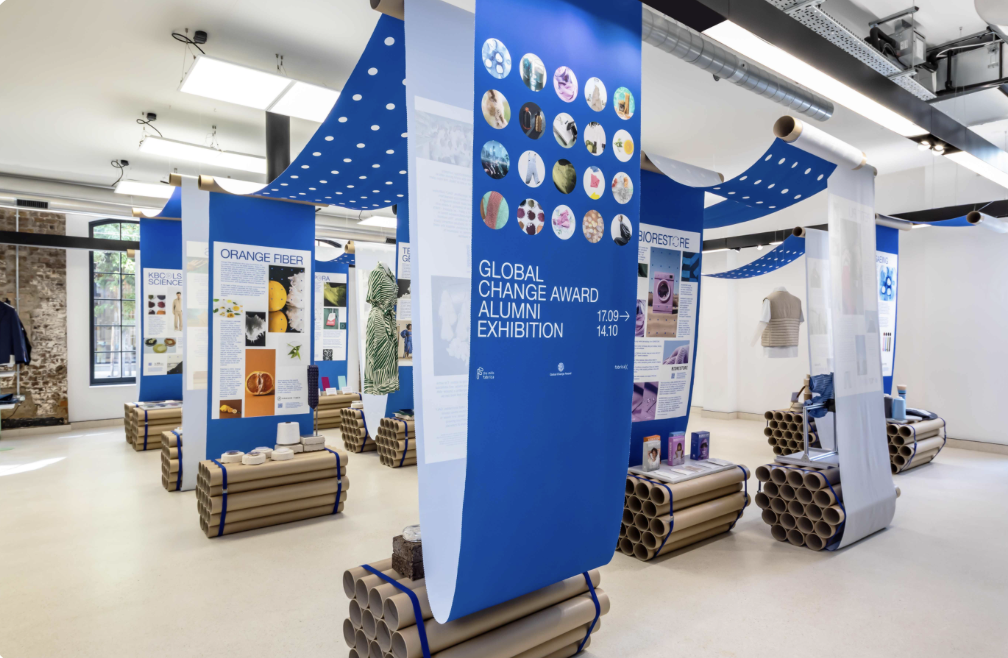
That is exactly why the Performance Without Toxicity exhibition at The Mills Fabrica’s Fabrica X gallery in King’s Cross is such an important cultural and environmental moment. The free exhibition explores how fashion innovation can deliver the same — or even better — performance benefits without relying on toxic chemicals, fossil-fuel-derived materials or wasteful production systems.
At a time when consumers are becoming increasingly carbon-conscious and aware of the environmental impact of fast fashion, this exhibition offers something hopeful: proof that sustainable fashion and high-performance design can coexist. It shows that circular fashion, ethical fashion and even vegan material innovation are no longer niche concepts — they are rapidly becoming the future of the industry.
The Hidden Cost of Traditional Sportswear
Why Toxicity in Fashion Affects Everyone
Most sportswear today is made using synthetic fibres such as polyester, nylon and elastane. While these materials provide stretch, durability and moisture control, they are usually derived from fossil fuels and treated with chemicals that can persist in the environment for decades. Some waterproof and stain-resistant finishes contain PFAS, often referred to as “forever chemicals”, because they do not naturally break down.
This matters to every customer — not just athletes or fashion professionals. Tiny microplastics from synthetic clothing are released during washing and enter waterways and oceans. Harmful chemical exposure can also affect factory workers, ecosystems and potentially consumers themselves. As sportswear becomes everyday fashion, these environmental impacts multiply at a global scale.
The exhibition directly challenges the outdated idea that performance must come “at any cost”. Instead, it introduces visitors to a cleaner model of innovation centred around wellbeing, longevity and regenerative design. (Verge, 2026)
Reimagining Materials for a Cleaner Future
From Plant-Based Fibres to Compostable Footwear
One of the exhibition’s most exciting sections, Reimagining Materials, focuses on alternatives to plastic-heavy sportswear. Visitors are introduced to designers and innovators developing bio-based materials that reduce dependence on petroleum-derived fabrics.
Japanese performance brand Goldwin showcases collaborations using Brewed Protein™ fibre developed by Spiber, alongside PlaX — a plant-derived material created by Bioworks. These next-generation textiles are designed to reduce reliance on conventional plastics while maintaining technical performance. (Verge, 2026)
Meanwhile, Balena presents a compostable bio-based shoe developed with Stella McCartney, demonstrating that footwear can be both functional and circular.
Other standout innovators include:
- Tera Mira, developing a seaweed-based alternative to elastane
- Ambercycle, transforming end-of-life textiles into new fibres through molecular regeneration
- Lenzing, producing wood-based cellulose fibres as renewable alternatives to synthetic fabrics
- Colorifix, using microbes to create safer and cleaner textile dyeing systems
Together, these brands prove that sustainable innovation is no longer experimental — it is scalable, wearable and commercially viable.
Beyond Durability: The Rise of Circular Fashion
Why Longevity Is the New Luxury
One of the strongest messages throughout the exhibition is that sustainability is not only about replacing materials — it is also about changing systems.
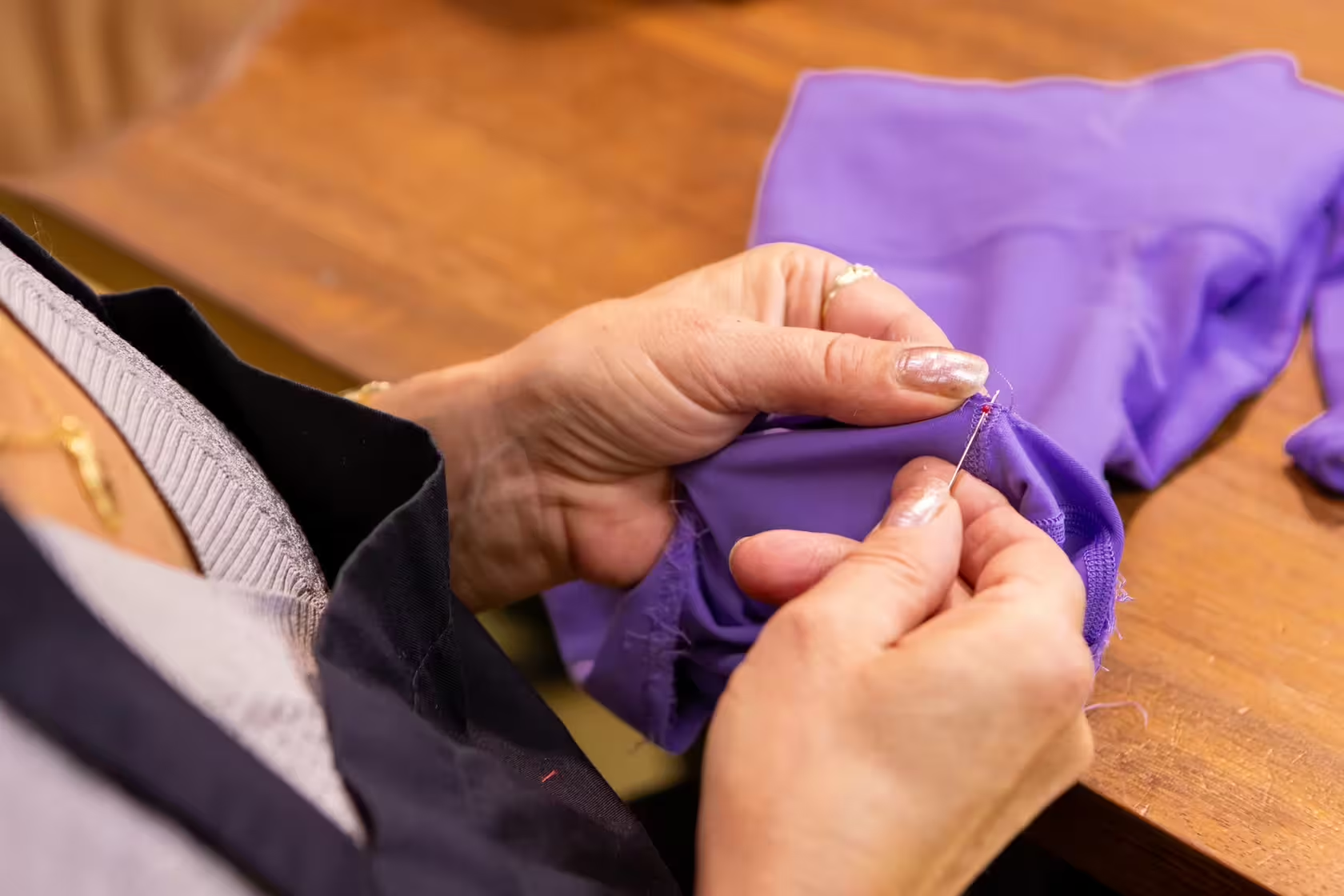
The Beyond Durability section explores how clothing can be designed for repair, reuse and eventual recycling rather than disposal. This shift towards circular fashion is essential if the industry wants to reduce textile waste and overconsumption.
Innovators like United Repair Centre are pioneering repair and remake systems that extend garment life while creating social impact and skilled employment opportunities.
This approach is particularly relevant to consumers today. Investing in longer-lasting clothing not only reduces environmental harm, but also encourages more mindful purchasing habits. In a world overwhelmed by disposable fashion trends, durability and repairability are becoming markers of quality and responsibility.
Future Footwear and the Demand for Ethical Innovation
Consumers Want Better Choices
Modern shoppers are increasingly questioning how their clothing is made, what materials are used and whether brands align with their values. The exhibition highlights how ethical fashion and sustainable fashion are becoming central to consumer expectations — especially among younger generations.
Brands like Vivobarefoot are demonstrating regenerative approaches to footwear through algae-derived foams, recycled natural fibres and bio-based polymers.
Similarly, Allbirds continues to champion natural and renewable materials in footwear design, helping consumers transition away from synthetic-heavy trainers without sacrificing comfort or functionality.
What makes this exhibition especially powerful is that it turns sustainability from an abstract concept into something tangible. Visitors can physically see and touch the materials shaping the future of sportswear. It reminds consumers that every purchase has influence — and that supporting carbon-conscious brands helps accelerate industry-wide change.
A Future Where Performance and Responsibility Work Together
Why This Exhibition Matters Now
The Performance Without Toxicity exhibition arrives at a crucial moment for fashion. Climate concerns, plastic pollution and growing awareness around toxic chemical use are forcing the industry to rethink how products are designed and produced.
What makes this exhibition inspiring is its optimism. Rather than focusing only on the problems, it showcases real solutions already being developed by scientists, designers and ethical innovators around the world. It demonstrates that the future of fashion can be regenerative, circular and healthier for both people and the planet.
Most importantly, it empowers consumers to understand that sustainability is not about compromise. High-performance clothing can still be stylish, durable, technical and innovative — just without the hidden environmental cost.
Start Your Sustainable Fashion Journey Today
As consumers become more aware of the impact of what they wear, supporting sustainable and ethical fashion has never been more important. Exhibitions like Performance Without Toxicity prove that circular fashion, vegan materials and carbon-conscious innovation are shaping the next generation of sportswear and lifestyle design.
At The Carbon Closet, we believe fashion should empower people without harming the planet. As a sustainable fashion platform dedicated to promoting ethical fashion, circular fashion and conscious consumer choices, we are proud to support conversations that encourage a cleaner, safer and more responsible future for the industry.
Shop on our website for brands like Vivobarefoot, Allbirds and many more brands using innovative, conscious materials, and sign up to our newsletter so that you don't miss other upcoming events and sustainable fashion news.
Enjoyed this? Here are some more articles we think you'll love:
Sustainability Takes The Spotlight At London Fashion Week 2026
The Rise Of Vintage And Plastic-Free Activewear In Fitness Fashion
Breaking A Sweat - Not The Planet: A Guide To Plastic-Free Activewear
Sustainability Takes The Spotlight At London Fashion Week 2026
The Rise Of Vintage And Plastic-Free Activewear In Fitness Fashion
Breaking A Sweat - Not The Planet: A Guide To Plastic-Free Activewear
