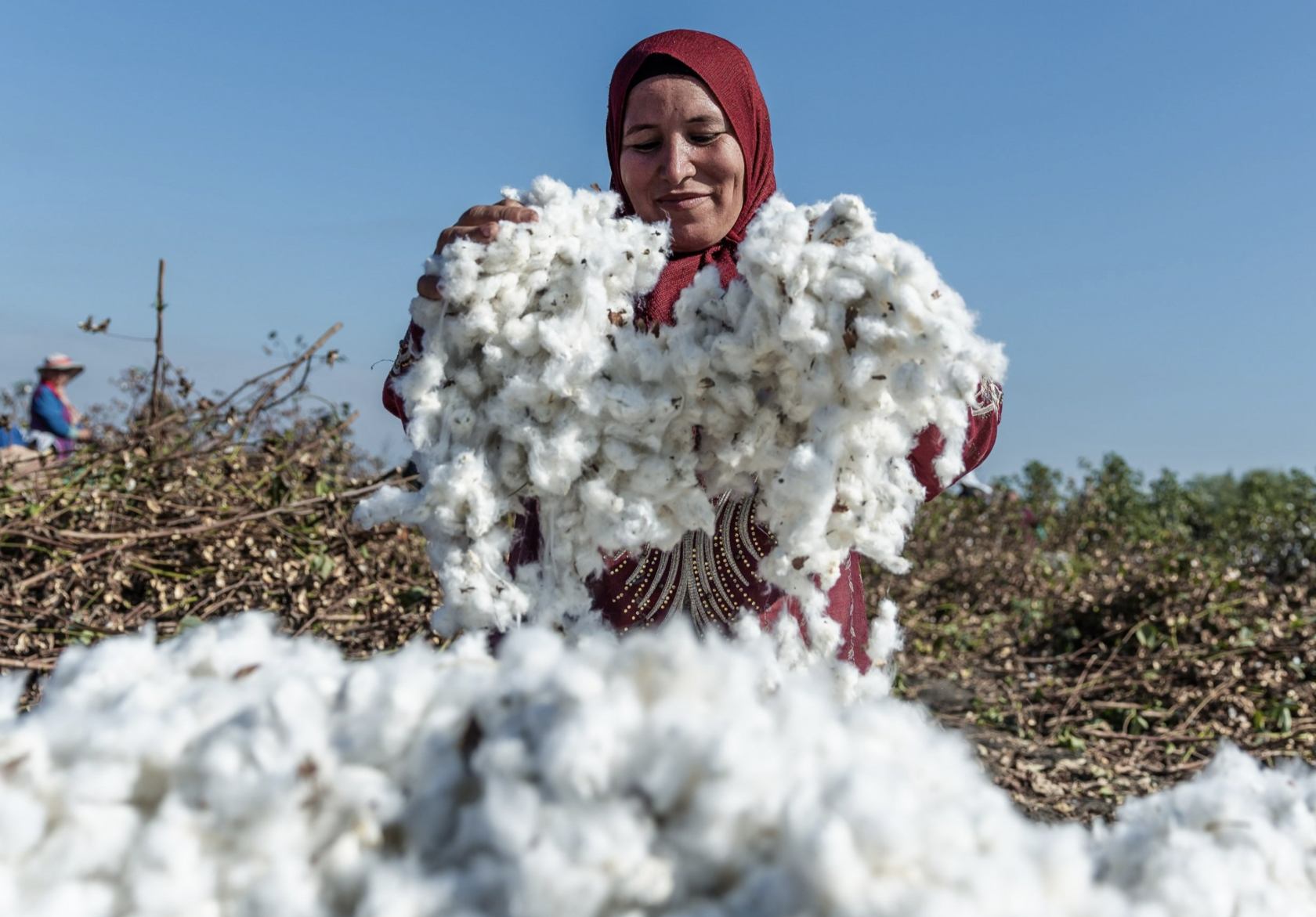
Yes, organic cotton can shrink 3-5% on the first wash if not pre-shrunk during manufacturing, similar to conventional cotton. The shrinkage occurs because cotton fibres naturally contract when exposed to heat and moisture - the organic growing method doesn't affect this behaviour. Most quality organic cotton brands pre- shrink their fabrics or clearly label expected shrinkage, and washing in cold water with air drying minimises size changes significantly.
The key difference between organic and conventional cotton isn't shrinkage tendency but chemical treatment.
Conventional cotton often receives resin finishes or other stabilising treatments that resist shrinkage but leave chemical residues. Organic cotton relies on mechanical pre-shrinking (compressive shrinkage during manufacturing) or accepts natural shrinkage as part of the fabric's authenticity, maintaining its chemical-free integrity.
The key difference between organic and conventional cotton isn't shrinkage tendency but chemical treatment.
Conventional cotton often receives resin finishes or other stabilising treatments that resist shrinkage but leave chemical residues. Organic cotton relies on mechanical pre-shrinking (compressive shrinkage during manufacturing) or accepts natural shrinkage as part of the fabric's authenticity, maintaining its chemical-free integrity.
Why Cotton Shrinks
The Science of Cotton Shrinkage
Cotton fibres are made of pure cellulose arranged in a crystalline structure. During fabric manufacturing, these fibres are stretched and tensioned through spinning, weaving, and finishing processes. When cotton fabric gets wet, water molecules penetrate the fibre structure causing it to swell and relax. As the fabric dries - especially with heat - the fibres contract back toward their natural, less-stressed state.
This relaxation shrinkage (also called consolidation shrinkage) is permanent and most dramatic on the first wash. The fibres have "memory" of their original, unstretched state and return to it when given the opportunity through washing. Heat accelerates this process significantly - hot water and tumble drying on high heat cause faster, more dramatic contraction than cold water and air drying.
This relaxation shrinkage (also called consolidation shrinkage) is permanent and most dramatic on the first wash. The fibres have "memory" of their original, unstretched state and return to it when given the opportunity through washing. Heat accelerates this process significantly - hot water and tumble drying on high heat cause faster, more dramatic contraction than cold water and air drying.
Does Organic Cotton Shrink More Than Regular Cotton?
No - organic cotton shrinks at the same rate as conventional cotton when other factors (weave, weight, pre- shrinking) are equal. The misconception comes from the fact that organic cotton is less likely to have synthetic anti-shrink treatments applied. However, mechanical pre-shrinking works equally well on organic and conventional cotton without adding chemicals.
Both organic and conventional cotton typically shrink:
• 3-5% on first wash if not pre-shrunk
• 1-2% additional over multiple washes with improper care
• Up to 10% with hot water washing and high-heat tumble drying
The determining factors for shrinkage are fabric construction (tight weaves shrink less), weight (heavier fabrics more stable), and whether the manufacturer pre-shrunk the fabric - not whether the cotton is organically grown.
Both organic and conventional cotton typically shrink:
• 3-5% on first wash if not pre-shrunk
• 1-2% additional over multiple washes with improper care
• Up to 10% with hot water washing and high-heat tumble drying
The determining factors for shrinkage are fabric construction (tight weaves shrink less), weight (heavier fabrics more stable), and whether the manufacturer pre-shrunk the fabric - not whether the cotton is organically grown.
How to Prevent Organic Cotton Shrinkage?
1. Check for Pre-Shrunk Labels
Quality organic cotton brands pre-shrink fabrics before cutting and sewing. Look for terms on labels:
• "Pre-shrunk"
• "Compressive shrunk"
• "Sanforized" (brand name for mechanical pre-shrinking process)
• "Will not shrink more than 2%"
If a garment doesn't specify pre-shrinking, assume it will shrink 3-5% on first wash. Some brands intentionally skip pre-shrinking for authentic, natural fabric behaviour - they should inform you and recommend sizing up.
• "Pre-shrunk"
• "Compressive shrunk"
• "Sanforized" (brand name for mechanical pre-shrinking process)
• "Will not shrink more than 2%"
If a garment doesn't specify pre-shrinking, assume it will shrink 3-5% on first wash. Some brands intentionally skip pre-shrinking for authentic, natural fabric behaviour - they should inform you and recommend sizing up.
2. Always Wash in Cold Water
Water temperature is the single most important factor in preventing cotton shrinkage. Studies show washing cotton in water below 30°C (85°F) reduces shrinkage by up to 75% compared to hot water washing.
Cold water prevents fibres from swelling excessively and contracting dramatically during drying. It also:
• Preserves colour (less dye bleeding)
• Saves energy (90% of washing machine energy heats water)
• Extends fabric life (less stress on fibres)
• Maintains organic cotton's soft texture
Modern detergents work effectively in cold water, so there's no cleaning performance sacrifice for most clothing.
Cold water prevents fibres from swelling excessively and contracting dramatically during drying. It also:
• Preserves colour (less dye bleeding)
• Saves energy (90% of washing machine energy heats water)
• Extends fabric life (less stress on fibres)
• Maintains organic cotton's soft texture
Modern detergents work effectively in cold water, so there's no cleaning performance sacrifice for most clothing.
3. Air Dry Instead of Tumble Drying
Tumble drying on high heat is the primary culprit in cotton shrinkage. The combination of heat, agitation, and rapid moisture removal causes maximum fibre contraction. Air drying allows gradual moisture evaporation without heat stress, significantly reducing shrinkage.
If you must use a dryer:
• Select "low heat" or "delicate" setting
• Remove items whilst still slightly damp
• Finish air drying on a rack or line
• Never use high heat for organic cotton
Air drying also:
• Eliminates energy consumption
• Extends garment lifespan (tumble drying degrades fibres)
• Reduces microfibre shedding
• Maintains fabric softness
If you must use a dryer:
• Select "low heat" or "delicate" setting
• Remove items whilst still slightly damp
• Finish air drying on a rack or line
• Never use high heat for organic cotton
Air drying also:
• Eliminates energy consumption
• Extends garment lifespan (tumble drying degrades fibres)
• Reduces microfibre shedding
• Maintains fabric softness
4. Skip Fabric Softener
Fabric softeners coat fibres with waxy chemicals that actually make organic cotton less absorbent and breathable. Organic cotton naturally softens with each wash as fibres relax and fluff - artificial softening is unnecessary and counterproductive.
Fabric softener also:
• Leaves residue attracting dirt and bacteria
• Reduces moisture-wicking properties
• Can cause allergic reactions (defeating the purpose of choosing organic cotton)
• Interferes with natural antibacterial properties of organic cotton
Use white vinegar (60ml in rinse cycle) if you want natural softening and static reduction without chemicals.
Fabric softener also:
• Leaves residue attracting dirt and bacteria
• Reduces moisture-wicking properties
• Can cause allergic reactions (defeating the purpose of choosing organic cotton)
• Interferes with natural antibacterial properties of organic cotton
Use white vinegar (60ml in rinse cycle) if you want natural softening and static reduction without chemicals.
5. Wash Inside Out
Turning organic cotton garments inside out before washing protects the outer surface from abrasion against other clothes, zippers, and the washing machine drum. This prevents pilling, fading, and fibre damage whilst allowing thorough cleaning of the areas that contact your skin (which get dirtiest).
6. Avoid Overloading the Washing Machine
Cramming too many clothes in the washer increases friction and agitation, stressing fibres. It also prevents proper rinsing, leaving detergent residue that can stiffen organic cotton. Wash loads at 75% capacity maximum for best results and to allow clothes to move freely.
What to Do If Organic Cotton Has Already Shrunk
Can You Un-Shrink Cotton?
Partially yes, though results vary. The process works by re-stretching fibres whilst they're wet and pliable:
Method 1: Baby Shampoo Soak
1. Fill basin with lukewarm water (not hot)
2. Add 2 tablespoons baby shampoo or hair conditioner (relaxes fibres)
3. Submerge shrunken garment, gently working in solution
4. Soak 30 minutes
5. Drain without rinsing
6. Lay flat on towel, gently stretch to desired dimensions
7. Pin edges to hold shape whilst air drying
2. Add 2 tablespoons baby shampoo or hair conditioner (relaxes fibres)
3. Submerge shrunken garment, gently working in solution
4. Soak 30 minutes
5. Drain without rinsing
6. Lay flat on towel, gently stretch to desired dimensions
7. Pin edges to hold shape whilst air drying
Method 2: Steam Stretching
1. Hang garment in bathroom during hot shower (steam relaxes fibres)
2. Whilst still warm and damp, gently stretch by hand
3. Lay flat to dry whilst stretched
4. Repeat if needed
These methods can recover 50-75% of lost size but won't fully restore extremely shrunken items. Prevention through proper washing remains far more effective.
2. Whilst still warm and damp, gently stretch by hand
3. Lay flat to dry whilst stretched
4. Repeat if needed
These methods can recover 50-75% of lost size but won't fully restore extremely shrunken items. Prevention through proper washing remains far more effective.
Best Pre-Shrunk Organic Cotton Brands UK
To avoid shrinkage concerns entirely, choose these UK brands that pre-shrink their organic cotton fabrics:
Organic Basics - Guaranteed Minimal Shrinkage
Shrinkage: Pre-shrunk, guaranteed less than 2% additional shrinkage
Price Range: £20-£60
Why Choose Them: Danish brand's heavyweight organic cotton (200+ GSM) undergoes compressive shrinkage during manufacturing. Their products maintain size through hundreds of washes when cared for properly (cold wash, air dry). Certified GOTS and B Corp with lifetime repair guarantee.
The substantial fabric weight provides natural resistance to shrinkage compared to lightweight cottons. Their size guides account for the minimal shrinkage that does occur, ensuring proper fit long-term.
Best For: Those wanting worry-free organic cotton that maintains size and shape for years.
Shop: Organic Basics
Price Range: £20-£60
Why Choose Them: Danish brand's heavyweight organic cotton (200+ GSM) undergoes compressive shrinkage during manufacturing. Their products maintain size through hundreds of washes when cared for properly (cold wash, air dry). Certified GOTS and B Corp with lifetime repair guarantee.
The substantial fabric weight provides natural resistance to shrinkage compared to lightweight cottons. Their size guides account for the minimal shrinkage that does occur, ensuring proper fit long-term.
Best For: Those wanting worry-free organic cotton that maintains size and shape for years.
Shop: Organic Basics
Pact Organic Cotton - Pre-Shrunk Budget Option
Shrinkage: Pre-shrunk, minimal additional shrinkage expected
Price Range: £15-£45
Why Choose Them: US brand with excellent UK availability offering pre-shrunk GOTS-certified organic cotton at accessible prices. Their t-shirts, underwear, and loungewear maintain consistent sizing through proper care. Fair Trade certified ensuring ethical production.
Care labels provide clear washing instructions specific to each product. The lightweight organic cotton (150-180 GSM) requires cold washing and air drying but rewards proper care with excellent longevity.
Best For: Budget-conscious shoppers wanting reliable pre-shrunk organic cotton basics.
Shop: Pact Organic
Price Range: £15-£45
Why Choose Them: US brand with excellent UK availability offering pre-shrunk GOTS-certified organic cotton at accessible prices. Their t-shirts, underwear, and loungewear maintain consistent sizing through proper care. Fair Trade certified ensuring ethical production.
Care labels provide clear washing instructions specific to each product. The lightweight organic cotton (150-180 GSM) requires cold washing and air drying but rewards proper care with excellent longevity.
Best For: Budget-conscious shoppers wanting reliable pre-shrunk organic cotton basics.
Shop: Pact Organic
Thought Clothing - Pre-Shrunk UK Quality
Shrinkage: Pre-shrunk and clearly labelled when sizing adjustments expected
Price Range: £25-£85
Why Choose Them: British brand with 30+ years' experience in organic cotton manufacturing. Their GOTS- certified pieces undergo quality pre-shrinking with detailed care instructions for each fabric blend. Fair Wear Foundation member ensuring ethical production.
When Thought uses fabrics that may shrink slightly (certain knits), they clearly indicate this on product pages and recommend sizing accordingly. This transparency allows informed purchasing decisions.
Best For: UK shoppers supporting British sustainable brands with transparent sizing information.
Shop: Thought Clothing
Price Range: £25-£85
Why Choose Them: British brand with 30+ years' experience in organic cotton manufacturing. Their GOTS- certified pieces undergo quality pre-shrinking with detailed care instructions for each fabric blend. Fair Wear Foundation member ensuring ethical production.
When Thought uses fabrics that may shrink slightly (certain knits), they clearly indicate this on product pages and recommend sizing accordingly. This transparency allows informed purchasing decisions.
Best For: UK shoppers supporting British sustainable brands with transparent sizing information.
Shop: Thought Clothing
Knowledge Cotton Apparel - Pre-Shrunk Scandinavian Quality
Shrinkage: Pre-shrunk, designed for dimensional stability
Price Range: £30-£90
Why Choose Them: Danish menswear brand specialising in organic cotton shirts, chinos, and knitwear with professional construction standards. All fabrics pre-shrunk to commercial standards ensuring consistent sizing. GOTS certified with Fair Wear Foundation membership.
Their heavyweight woven fabrics (shirts, trousers) show exceptional dimensional stability. Even their organic cotton knitwear maintains shape through proper care (cold wash, flat drying).
Best For: Men wanting professional organic cotton clothing with reliable sizing.
Shop: Knowledge Cotton
Price Range: £30-£90
Why Choose Them: Danish menswear brand specialising in organic cotton shirts, chinos, and knitwear with professional construction standards. All fabrics pre-shrunk to commercial standards ensuring consistent sizing. GOTS certified with Fair Wear Foundation membership.
Their heavyweight woven fabrics (shirts, trousers) show exceptional dimensional stability. Even their organic cotton knitwear maintains shape through proper care (cold wash, flat drying).
Best For: Men wanting professional organic cotton clothing with reliable sizing.
Shop: Knowledge Cotton
Beaumont Organic - Pre-Shrunk Luxury Standards
Shrinkage: Pre-shrunk to luxury fashion standards
Price Range: £40-£120
Why Choose Them: British designer brand applying luxury construction techniques to GOTS-certified organic cotton. All pieces pre-shrunk and quality tested before release. Made in ethical European factories with complete transparency.
The slightly higher price point reflects premium pre-shrinking, quality control, and construction that maintains sizing through years of wear. Detailed care labels provide fabric-specific instructions.
Best For: Those wanting luxury-quality organic cotton with guaranteed sizing stability.
Shop: Beaumont Organic
Price Range: £40-£120
Why Choose Them: British designer brand applying luxury construction techniques to GOTS-certified organic cotton. All pieces pre-shrunk and quality tested before release. Made in ethical European factories with complete transparency.
The slightly higher price point reflects premium pre-shrinking, quality control, and construction that maintains sizing through years of wear. Detailed care labels provide fabric-specific instructions.
Best For: Those wanting luxury-quality organic cotton with guaranteed sizing stability.
Shop: Beaumont Organic
Organic Cotton Washing & Care Guide
Proper Washing Technique
1. Sort by colour (lights separate from darks)
2. Turn garments inside out to protect surface
3. Select cold water (30°C maximum) and gentle cycle
4. Use plant-based detergent - 50% less than recommended (organic cotton needs less soap)
5. Skip fabric softener entirely
6. Add white vinegar (60ml) to rinse cycle for natural softening
7. Remove promptly after cycle ends to prevent wrinkles
2. Turn garments inside out to protect surface
3. Select cold water (30°C maximum) and gentle cycle
4. Use plant-based detergent - 50% less than recommended (organic cotton needs less soap)
5. Skip fabric softener entirely
6. Add white vinegar (60ml) to rinse cycle for natural softening
7. Remove promptly after cycle ends to prevent wrinkles
Proper Drying Technique
1. Gently reshape whilst still damp
2. Lay flat on clean towel or drying rack for knits
3. Hang to dry for woven items (shirts, dresses, trousers)
4. Dry away from direct sunlight (prevents fading)
5. Never wring organic cotton (damages fibres)
2. Lay flat on clean towel or drying rack for knits
3. Hang to dry for woven items (shirts, dresses, trousers)
4. Dry away from direct sunlight (prevents fading)
5. Never wring organic cotton (damages fibres)
If using a dryer:
• Use only "low heat" or "air fluff" setting
• Remove whilst 80% dry
• Finish air drying flat or hanging
• Remove whilst 80% dry
• Finish air drying flat or hanging
Storage
• Fold heavy knits rather than hanging (prevents stretching)
• Use padded hangers for woven items to maintain shape
• Store in breathable cotton bags not plastic (prevents mildew)
• Keep away from direct sunlight (causes fading)
• Use padded hangers for woven items to maintain shape
• Store in breathable cotton bags not plastic (prevents mildew)
• Keep away from direct sunlight (causes fading)
How Often to Wash
Organic cotton's natural antibacterial properties mean it requires less frequent washing than conventional cotton:
• Underwear & socks: After each wear
• T-shirts & tops: Every 2-3 wears (unless visibly soiled)
• Jeans & trousers: Every 5-7 wears
• Sweatshirts & knitwear: Every 4-6 wears
• Dresses: Every 2-4 wears depending on activity level
Spot-clean minor marks between washes. Air out garments between wears. Washing less frequently extends organic cotton lifespan significantly whilst reducing environmental impact.
• Underwear & socks: After each wear
• T-shirts & tops: Every 2-3 wears (unless visibly soiled)
• Jeans & trousers: Every 5-7 wears
• Sweatshirts & knitwear: Every 4-6 wears
• Dresses: Every 2-4 wears depending on activity level
Spot-clean minor marks between washes. Air out garments between wears. Washing less frequently extends organic cotton lifespan significantly whilst reducing environmental impact.
Understanding Fabric Weight & Shrinkage
How Fabric Weight Affects Shrinkage
Fabric weight, measured in grams per square metre (GSM), influences shrinkage tendency:
Lightweight (120-150 GSM):
Medium Weight (150-200 GSM):
Heavyweight (200+ GSM):
Brands like Organic Basics and Beaumont Organic use heavier-weight organic cotton (180-220 GSM) that naturally resists shrinkage better than lightweight alternatives. When shopping, check product specifications for GSM - higher numbers indicate more durable, shrink-resistant fabrics worth premium pricing.
Lightweight (120-150 GSM):
- Summer t-shirts, camisoles
- More prone to shrinkage (less structural stability)
- Requires careful cold washing and flat drying
- Best for warm weather, may feel insubstantial
Medium Weight (150-200 GSM):
- Standard t-shirts, casual shirts, pyjamas
- Moderate shrinkage resistance
- Most common weight for organic cotton basics
- Good balance of comfort and durability
Heavyweight (200+ GSM):
- Premium t-shirts, sweatshirts, robust fabrics
- Excellent shrinkage resistance (more stable structure)
- Feels substantial, drapes well, lasts longest
- Best investment for frequently worn pieces
Brands like Organic Basics and Beaumont Organic use heavier-weight organic cotton (180-220 GSM) that naturally resists shrinkage better than lightweight alternatives. When shopping, check product specifications for GSM - higher numbers indicate more durable, shrink-resistant fabrics worth premium pricing.
FAQ: Organic Cotton Shrinkage
Will organic cotton shrink every time I wash it?
No - most shrinkage (3-5%) occurs on the first wash as fibres relax to their natural state. After this initial shrinkage, properly cared-for organic cotton remains stable through hundreds of wash cycles. Cold water washing (30°C maximum) and air drying prevent additional shrinkage. Repeated exposure to hot water and high-heat tumble drying can cause continued minor shrinkage over time, but proper care eliminates this.
How much does organic cotton shrink in length vs width?
Cotton primarily shrinks lengthwise (along the warp threads running the length of the fabric) by 3-5%, whilst width shrinkage is typically 1-2%. This occurs because warp threads experience more tension during weaving than weft (width) threads. T-shirts become shorter more noticeably than narrower. Pre-shrunk organic cotton undergoes this process during manufacturing, eliminating differential shrinkage consumers would otherwise experience.
Can I intentionally shrink organic cotton to make it fit better?
Yes, though results are unpredictable and may unevenly shrink different areas. To shrink organic cotton intentionally: wash in hot water (60°C), tumble dry on high heat, and repeat if needed. However, this process degrades fibres, reducing garment lifespan significantly. It's far better to purchase correct sizing initially or have a tailor alter the garment professionally, preserving fabric integrity.
Does organic cotton shrink more in the dryer or washing machine?
The tumble dryer causes more shrinkage than washing. While hot water makes fibres swell and begin relaxing, the dryer's combination of high heat, agitation, and rapid moisture removal causes maximum contraction.
Cotton can shrink 5-10% in a hot dryer even if washed in cold water. Air drying after cold water washing minimises shrinkage to 1-2% or eliminates it entirely for pre-shrunk organic cotton.
Cotton can shrink 5-10% in a hot dryer even if washed in cold water. Air drying after cold water washing minimises shrinkage to 1-2% or eliminates it entirely for pre-shrunk organic cotton.
Why does some organic cotton shrink more than others?
Several factors create variation:
1) Fabric construction - tight weaves resist shrinkage better than loose weaves,
2) Yarn type - combed cotton with longer fibres shrinks less than standard yarn, (3) Pre-shrinking - manufacturers using compressive shrinkage eliminate most shrinkage, (4) Fabric weight - heavier fabrics (200+ GSM) resist shrinkage better than lightweight (120-150 GSM), (5) Blend percentages - pure organic cotton shrinks more than cotton-elastane blends.
1) Fabric construction - tight weaves resist shrinkage better than loose weaves,
2) Yarn type - combed cotton with longer fibres shrinks less than standard yarn, (3) Pre-shrinking - manufacturers using compressive shrinkage eliminate most shrinkage, (4) Fabric weight - heavier fabrics (200+ GSM) resist shrinkage better than lightweight (120-150 GSM), (5) Blend percentages - pure organic cotton shrinks more than cotton-elastane blends.
Will cold water actually clean organic cotton properly?
Yes - modern detergents are formulated to work effectively in cold water. Enzymes in quality detergents break down stains and odours without requiring heat activation. Cold water actually better preserves colours and prevents setting protein-based stains (blood, sweat). For heavily soiled items, pre-treat stains before washing or use a longer wash cycle rather than increasing temperature.
Can you reverse organic cotton shrinkage completely?
Unfortunately no - while re-stretching methods (baby shampoo soak, steam treatment) can recover 50-75% of lost size, fibres that have contracted and set in their new position resist fully returning to original dimensions.
The cellulose structure has reformed in the shrunken state. Prevention through proper care from the first wash remains the only reliable way to maintain organic cotton sizing.
The cellulose structure has reformed in the shrunken state. Prevention through proper care from the first wash remains the only reliable way to maintain organic cotton sizing.
Do organic cotton blends shrink less?
Yes - blending organic cotton with elastane (2-5%) significantly reduces shrinkage because synthetic elastane
fibres don't contract like natural cellulose. Cotton-Tencel blends also shrink less as Tencel (lyocell) has lower shrinkage tendency. However, blends sacrifice some benefits of pure organic cotton (biodegradability, natural texture). For pure organic cotton, prioritise pre-shrunk fabrics and proper care over blending.
fibres don't contract like natural cellulose. Cotton-Tencel blends also shrink less as Tencel (lyocell) has lower shrinkage tendency. However, blends sacrifice some benefits of pure organic cotton (biodegradability, natural texture). For pure organic cotton, prioritise pre-shrunk fabrics and proper care over blending.
Does organic cotton continue shrinking over years?
Minimal additional shrinkage (1-2% total) can occur over years if garments are repeatedly exposed to hot water and high-heat drying. However, properly cared-for organic cotton (cold wash, air dry) remains dimensionally stable after the first wash. Fabric relaxation (slight loosening and softening) occurs over time as fibres naturally adjust, but this doesn't constitute shrinkage - it's the fabric achieving optimal softness.
Should I buy organic cotton one size larger to account for shrinkage?
Only if the product label indicates the fabric is not pre-shrunk. Quality organic cotton brands (Organic Basics, Thought, Beaumont Organic) pre-shrink fabrics during manufacturing and size their garments accounting for minimal remaining shrinkage. Their size guides reflect final dimensions after washing. If a brand doesn't specify pre-shrinking, contact customer service before ordering or size up as a precaution.
Choose Quality Organic Cotton That Maintains Size
Shrinkage concerns shouldn't deter you from choosing organic cotton - they should guide you toward quality brands that pre-shrink fabrics and provide transparent care instructions. The environmental and health benefits of GOTS-certified organic cotton far outweigh the minor inconvenience of cold water washing and air drying.
Most organic cotton shrinkage anxiety stems from inexperience with natural fibres. Once you establish proper care habits (cold wash, air dry, minimal detergent), organic cotton maintains sizing beautifully whilst developing the soft, lived-in texture that makes it superior to synthetics.
The brands recommended above have solved the shrinkage problem through mechanical pre-shrinking during manufacturing. Your investment in organic cotton rewards you with fabrics that last 5-10 years whilst
supporting pesticide-free farming and fair wages - far more valuable than the temporary convenience of tossing conventional cotton in a hot dryer.
Most organic cotton shrinkage anxiety stems from inexperience with natural fibres. Once you establish proper care habits (cold wash, air dry, minimal detergent), organic cotton maintains sizing beautifully whilst developing the soft, lived-in texture that makes it superior to synthetics.
The brands recommended above have solved the shrinkage problem through mechanical pre-shrinking during manufacturing. Your investment in organic cotton rewards you with fabrics that last 5-10 years whilst
supporting pesticide-free farming and fair wages - far more valuable than the temporary convenience of tossing conventional cotton in a hot dryer.
Ready to Try Worry-Free Organic Cotton?
Choose pre-shrunk brands, follow cold water care instructions, and experience the difference properly manufactured organic cotton makes for both your wardrobe and the environment.
Shop pre-shrunk cotton brands on The Carbon Closet website, and read more deep-dives into the best sustainable brands and fabrics on our blog page and by signing up to our newsletter.
Why not read our series on vegan leathers?
Shop pre-shrunk cotton brands on The Carbon Closet website, and read more deep-dives into the best sustainable brands and fabrics on our blog page and by signing up to our newsletter.
Why not read our series on vegan leathers?
