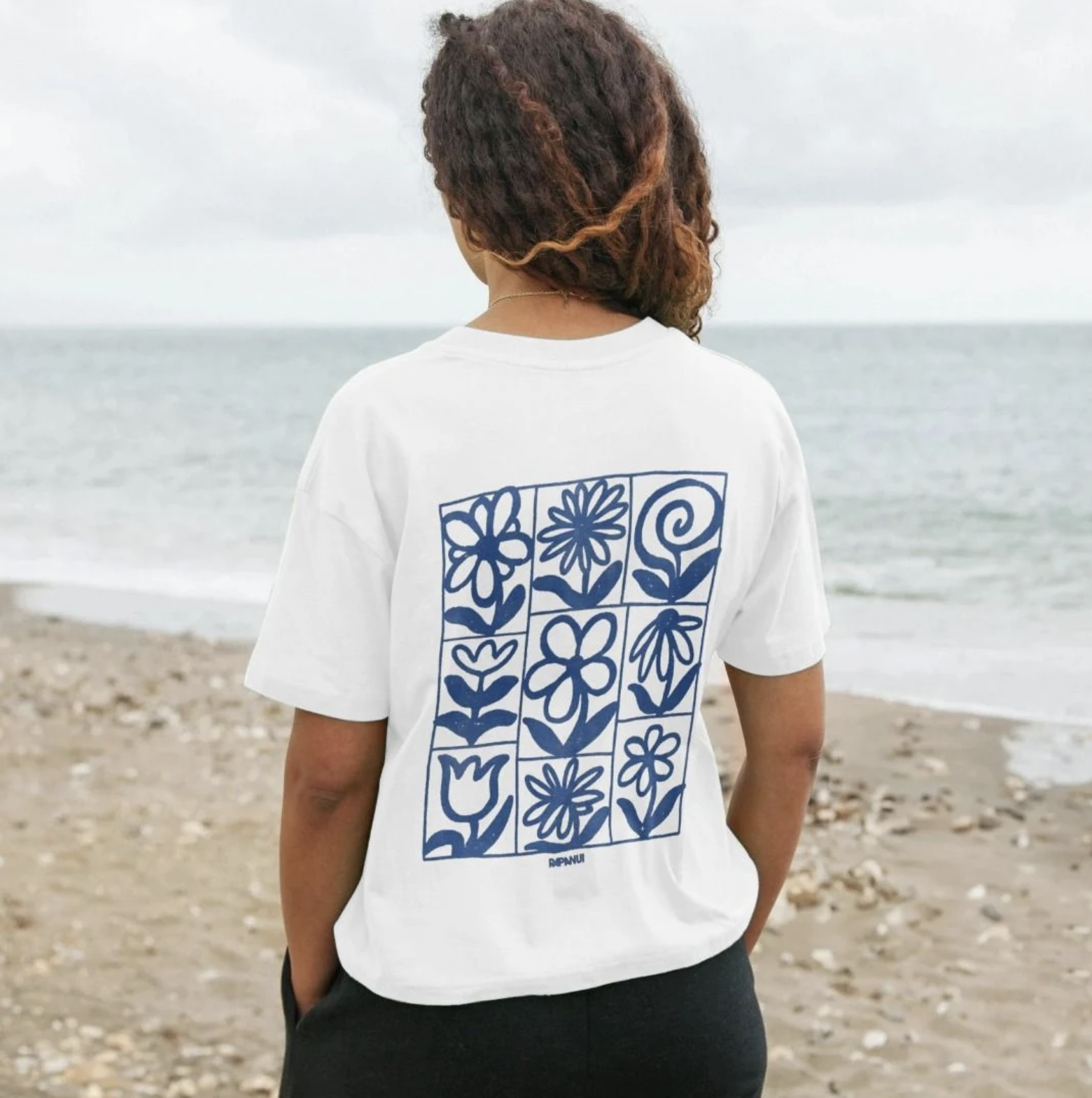
Organic cotton is cotton grown without synthetic pesticides, fertilisers, or genetically modified seeds, using methods that maintain soil health and support fair wages for farmers. Certified organic cotton must meet strict standards like GOTS (Global Organic Textile Standard), ensuring both environmental responsibility and ethical production throughout the entire supply chain from farm to finished garment.
Unlike conventional cotton, which uses 16% of the world's pesticides despite covering only 2.5% of agricultural land, organic cotton farming relies on natural pest control, crop rotation, and composting. This approach eliminates toxic chemical runoff into water supplies, reduces carbon emissions by 46%, and uses 91% less water than conventional methods. For consumers, organic cotton means softer fabrics free from chemical residues, supporting both personal health and environmental sustainability.
Unlike conventional cotton, which uses 16% of the world's pesticides despite covering only 2.5% of agricultural land, organic cotton farming relies on natural pest control, crop rotation, and composting. This approach eliminates toxic chemical runoff into water supplies, reduces carbon emissions by 46%, and uses 91% less water than conventional methods. For consumers, organic cotton means softer fabrics free from chemical residues, supporting both personal health and environmental sustainability.
Why Organic Cotton Matters
Environmental Impact
Conventional cotton farming is one of the most chemical-intensive agricultural practices globally. A single conventional cotton t-shirt requires 2,700 litres of water and involves dozens of toxic pesticides classified as highly hazardous by the WHO. These chemicals contaminate soil, destroy biodiversity, and poison waterways affecting entire ecosystems.
Organic cotton eliminates this environmental damage. By using rainwater irrigation (80% of organic cotton is rainfed), natural fertilisers, and biodiversity-supporting crop rotation, organic farming actually improves soil health rather than depleting it. Carbon sequestration in healthy organic soil helps combat climate change, whilst eliminating pesticide runoff protects local water sources and wildlife.
Organic cotton eliminates this environmental damage. By using rainwater irrigation (80% of organic cotton is rainfed), natural fertilisers, and biodiversity-supporting crop rotation, organic farming actually improves soil health rather than depleting it. Carbon sequestration in healthy organic soil helps combat climate change, whilst eliminating pesticide runoff protects local water sources and wildlife.
Worker Health & Fair Wages
Conventional cotton farmers and factory workers face exposure to neurotoxins, carcinogens, and endocrine disruptors daily. In developing countries where most cotton grows, workers often lack protective equipment, leading to poisoning, respiratory illness, and long-term health damage.
GOTS-certified organic cotton requires fair wages, safe working conditions, and prohibits child labour. Farmers receive premium payments for organic certification, improving livelihoods whilst protecting their health. The certification traces the entire supply chain, ensuring no exploitation occurs from seed to garment
GOTS-certified organic cotton requires fair wages, safe working conditions, and prohibits child labour. Farmers receive premium payments for organic certification, improving livelihoods whilst protecting their health. The certification traces the entire supply chain, ensuring no exploitation occurs from seed to garment
Quality & Durability
Organic cotton fibres remain stronger because they're not weakened by chemical treatments. The manual harvesting process (rather than chemical defoliants used in conventional farming) preserves fibre length and integrity. This results in fabrics that last longer, pill less, and become softer with each wash rather than degrading.
For consumers with sensitive skin, organic cotton offers genuine hypoallergenic benefits. Chemical residues from conventional cotton processing can trigger eczema, dermatitis, and allergic reactions. GOTS certification prohibits formaldehyde, chlorine bleach, heavy metals, and other harmful finishing chemicals that irritate skin
For consumers with sensitive skin, organic cotton offers genuine hypoallergenic benefits. Chemical residues from conventional cotton processing can trigger eczema, dermatitis, and allergic reactions. GOTS certification prohibits formaldehyde, chlorine bleach, heavy metals, and other harmful finishing chemicals that irritate skin
How to Identify Genuine Organic Cotton
Look for Third-Party Certifications
Vague marketing terms like "eco-friendly cotton" or "natural cotton" mean nothing without certification. Genuine organic cotton carries verified third-party certifications:
GOTS (Global Organic Textile Standard) - The gold standard. Certifies both organic growing and ethical processing throughout the supply chain. Ensures no toxic chemicals in dyeing, printing, or finishing. Requires environmental management systems and fair labour practices.
USDA Organic / EU Organic - Certifies organic growing methods but doesn't cover processing. Often paired with GOTS for complete assurance.
OCS (Organic Content Standard) - Verifies organic content percentage but doesn't require ethical production. Less comprehensive than GOTS.
Fair Trade Certified Organic - Combines organic certification with guaranteed fair wages and community development programmes.
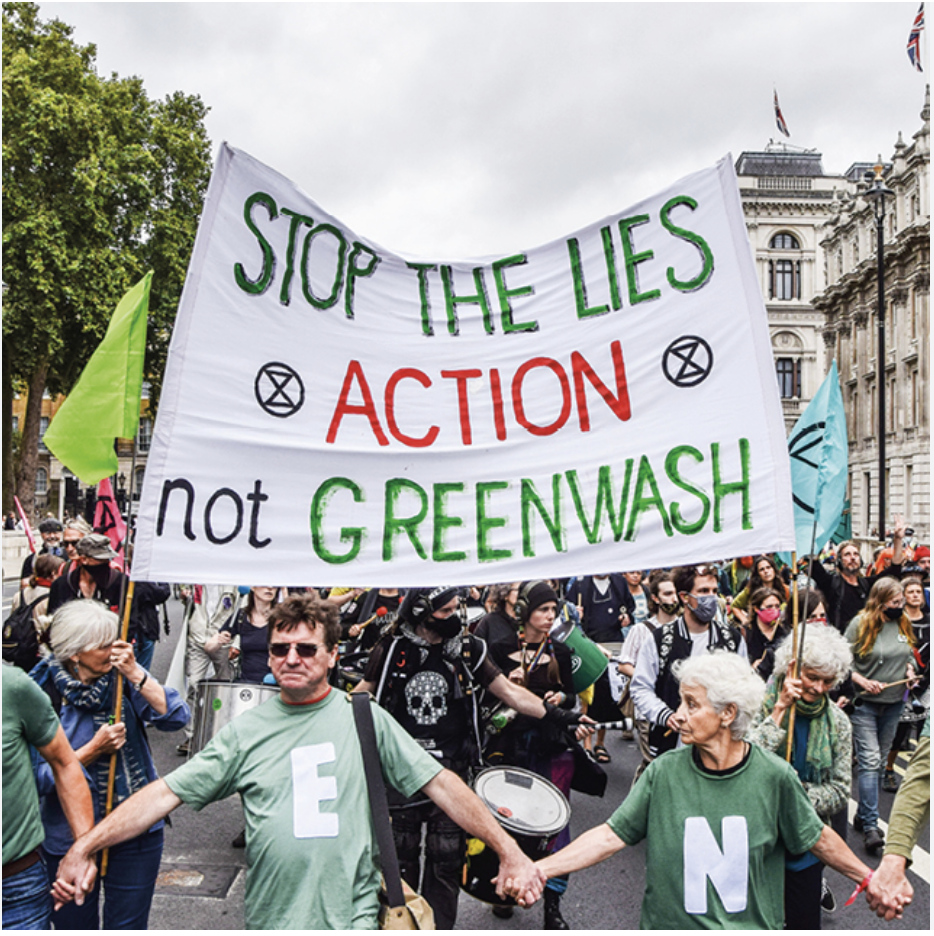
Always check labels and brand websites for certification numbers. Legitimate organic brands eagerly display certificates and explain their supply chains. If a brand claims "organic" without specific certification, it's likely greenwashing
USDA Organic / EU Organic - Certifies organic growing methods but doesn't cover processing. Often paired with GOTS for complete assurance.
OCS (Organic Content Standard) - Verifies organic content percentage but doesn't require ethical production. Less comprehensive than GOTS.
Fair Trade Certified Organic - Combines organic certification with guaranteed fair wages and community development programmes.
Always check labels and brand websites for certification numbers. Legitimate organic brands eagerly display certificates and explain their supply chains. If a brand claims "organic" without specific certification, it's likely greenwashing
Beware of Greenwashing
Fast fashion brands increasingly use misleading language to appear sustainable:
- "Conscious Collection" - Usually contains only 5-20% organic cotton mixed with conventional materials
- "Better Cotton Initiative" - NOT organic, uses fewer chemicals than conventional but still uses pesticides and GMO seeds
- "Natural Cotton" - Meaningless term, conventional cotton is also "natural"
- "Eco Cotton" - Vague claim without standards
Genuine organic brands provide:
- Specific certification names and numbers
- Supply chain transparency (where cotton is grown and processed)
- Factory location information
- Clear percentage of organic content (look for "100% GOTS certified organic cotton")
Best Organic Cotton Clothing Brands UK
Now that you understand what organic cotton is and why it matters, here are UK-available brands using genuine GOTS-certified organic cotton:
1. Thought Clothing - Best UK Organic Cotton Brand
Certifications: GOTS, Fair Wear Foundation, PETA Approved Vegan
Price Range: £25-£85
Why Choose Them: British brand with 30+ years' experience in sustainable fashion. Uses GOTS-certified organic cotton in 70% of their collection, blended with bamboo, hemp, and recycled materials. Complete supply chain transparency with named factories in India, China, and Turkey.
Their organic cotton basics (t-shirts, dresses, knitwear) combine classic design with contemporary fits. The fabric softens beautifully with washing whilst maintaining structure. As a Fair Wear Foundation member, they ensure living wages and safe conditions for all workers.
Best For: Building a sustainable capsule wardrobe with versatile, long-lasting organic cotton pieces.
Shop: Thought Organic Clothing
Price Range: £25-£85
Why Choose Them: British brand with 30+ years' experience in sustainable fashion. Uses GOTS-certified organic cotton in 70% of their collection, blended with bamboo, hemp, and recycled materials. Complete supply chain transparency with named factories in India, China, and Turkey.
Their organic cotton basics (t-shirts, dresses, knitwear) combine classic design with contemporary fits. The fabric softens beautifully with washing whilst maintaining structure. As a Fair Wear Foundation member, they ensure living wages and safe conditions for all workers.
Best For: Building a sustainable capsule wardrobe with versatile, long-lasting organic cotton pieces.
Shop: Thought Organic Clothing
2. Organic Basics - Best Minimalist Organic Cotton Essentials
Certifications: GOTS, OEKO-TEX, B Corp, Fair Wear
Price Range: £20-£60
Why Choose Them: Danish brand applying Scandinavian minimalism to organic basics. Uses heavyweight GOTS-certified organic cotton that feels substantial and lasts years. Their SilverTechTM treatment (recycled silver ions) creates naturally antibacterial fabrics requiring less frequent washing.
The neutral colour palette (black, white, grey, navy) integrates seamlessly into any wardrobe. Certified B Corp with radical transparency including CO2 footprint calculations for every product. Free repairs through their ReKnit programme extend garment lifespan indefinitely.
Best For: Minimalists wanting investment organic cotton basics that outlast fast fashion by years.
Shop: Organic Basics
Price Range: £20-£60
Why Choose Them: Danish brand applying Scandinavian minimalism to organic basics. Uses heavyweight GOTS-certified organic cotton that feels substantial and lasts years. Their SilverTechTM treatment (recycled silver ions) creates naturally antibacterial fabrics requiring less frequent washing.
The neutral colour palette (black, white, grey, navy) integrates seamlessly into any wardrobe. Certified B Corp with radical transparency including CO2 footprint calculations for every product. Free repairs through their ReKnit programme extend garment lifespan indefinitely.
Best For: Minimalists wanting investment organic cotton basics that outlast fast fashion by years.
Shop: Organic Basics
3. Pact Organic Cotton - Best Budget Organic Option
Certifications: Fair Trade, GOTS
Price Range: £15-£45
Why Choose Them: US brand with excellent UK availability offering genuinely affordable GOTS-certified organic cotton. Their basics (underwear, t-shirts, loungewear, baby clothes) prove sustainable doesn't require luxury pricing.
Carbon-neutral shipping and compostable packaging demonstrate commitment beyond just materials. Fair Trade certification ensures farmers receive fair prices and workers earn living wages. The organic cotton becomes incredibly soft after a few washes whilst maintaining shape.
Best For: Budget-conscious shoppers wanting certified organic cotton without premium pricing.
Shop: Pact Organic Cotton
Price Range: £15-£45
Why Choose Them: US brand with excellent UK availability offering genuinely affordable GOTS-certified organic cotton. Their basics (underwear, t-shirts, loungewear, baby clothes) prove sustainable doesn't require luxury pricing.
Carbon-neutral shipping and compostable packaging demonstrate commitment beyond just materials. Fair Trade certification ensures farmers receive fair prices and workers earn living wages. The organic cotton becomes incredibly soft after a few washes whilst maintaining shape.
Best For: Budget-conscious shoppers wanting certified organic cotton without premium pricing.
Shop: Pact Organic Cotton
4. People Tree - Best Fair Trade Organic Pioneer
Certifications: GOTS, Fair Trade, WFTO (World Fair Trade Organization)
Price Range: £30-£80
Why Choose Them: British brand pioneering Fair Trade fashion since 1991. Works directly with artisan groups in India, Bangladesh, and Nepal, combining GOTS organic cotton with traditional hand-block printing and hand-embroidery techniques.
Every purchase supports skilled artisans earning fair wages in safe conditions. The unique prints and relaxed silhouettes offer character impossible to find in mass-produced fashion. As a World Fair Trade Organization member, they demonstrate the highest ethical standards.
Best For: Supporting established Fair Trade pioneers with proven 30+ year track records.
Shop: People Tree
Price Range: £30-£80
Why Choose Them: British brand pioneering Fair Trade fashion since 1991. Works directly with artisan groups in India, Bangladesh, and Nepal, combining GOTS organic cotton with traditional hand-block printing and hand-embroidery techniques.
Every purchase supports skilled artisans earning fair wages in safe conditions. The unique prints and relaxed silhouettes offer character impossible to find in mass-produced fashion. As a World Fair Trade Organization member, they demonstrate the highest ethical standards.
Best For: Supporting established Fair Trade pioneers with proven 30+ year track records.
Shop: People Tree
5. Rapanui - Best Circular Organic Cotton
Certifications: GOTS, Certified B Corp
Price Range: £20-£55
Why Choose Them: Isle of Wight brand creating circular fashion system. Uses GOTS-certified organic cotton in products manufactured entirely with renewable energy. When your garment wears out, send it back for recycling into new clothes whilst receiving 20% off your next purchase.
Made-to-order production eliminates waste from overproduction. Complete transparency including video tours of their factory. The graphic tees and basics appeal to younger, environmentally conscious consumers.
Best For: Supporting UK circular economy and brands with genuine cradle-to-cradle systems.
Shop: Rapanui
Price Range: £20-£55
Why Choose Them: Isle of Wight brand creating circular fashion system. Uses GOTS-certified organic cotton in products manufactured entirely with renewable energy. When your garment wears out, send it back for recycling into new clothes whilst receiving 20% off your next purchase.
Made-to-order production eliminates waste from overproduction. Complete transparency including video tours of their factory. The graphic tees and basics appeal to younger, environmentally conscious consumers.
Best For: Supporting UK circular economy and brands with genuine cradle-to-cradle systems.
Shop: Rapanui
6. Beaumont Organic - Best Elegant Organic Style
Certifications: GOTS
Price Range: £40-£120
Why Choose Them: British designer Hannah Beaumont-Laurencia creates refined organic cotton pieces with elevated aesthetic. The GOTS-certified collection includes tailored shirts, elegant dresses, and sophisticated knitwear that transcends casual basics.
Made in ethical European factories with complete supply chain transparency. The slightly tailored fits and premium construction justify higher price points. Pieces work equally well for professional settings and social occasions.
Best For: Professionals wanting polished organic cotton clothing that bridges workwear and weekend.
Shop: Beaumont Organic
Price Range: £40-£120
Why Choose Them: British designer Hannah Beaumont-Laurencia creates refined organic cotton pieces with elevated aesthetic. The GOTS-certified collection includes tailored shirts, elegant dresses, and sophisticated knitwear that transcends casual basics.
Made in ethical European factories with complete supply chain transparency. The slightly tailored fits and premium construction justify higher price points. Pieces work equally well for professional settings and social occasions.
Best For: Professionals wanting polished organic cotton clothing that bridges workwear and weekend.
Shop: Beaumont Organic
7. Knowledge Cotton Apparel - Best Scandinavian Organic Style
Certifications: GOTS, OEKO-TEX, Fair Wear Foundation
Price Range: £30-£90
Why Choose Them: Danish brand specialising in contemporary organic cotton menswear. Their GOTS-certified collection includes shirts, chinos, knitwear, and outerwear with clean Scandinavian aesthetic.
Complete transparency with public factory lists and audit reports. Uses organic cotton blended with recycled materials and Tencel for technical performance. The modern fits and quality construction compete directly with conventional mid-range brands at similar prices.
Best For: Men seeking contemporary organic cotton clothing with Scandinavian design sensibility.
Shop: Knowledge Cotton Apparel
Price Range: £30-£90
Why Choose Them: Danish brand specialising in contemporary organic cotton menswear. Their GOTS-certified collection includes shirts, chinos, knitwear, and outerwear with clean Scandinavian aesthetic.
Complete transparency with public factory lists and audit reports. Uses organic cotton blended with recycled materials and Tencel for technical performance. The modern fits and quality construction compete directly with conventional mid-range brands at similar prices.
Best For: Men seeking contemporary organic cotton clothing with Scandinavian design sensibility.
Shop: Knowledge Cotton Apparel
8. Komodo - Best Affordable UK Organic Brand
Certifications: GOTS, Fair Wear Foundation
Price Range: £20-£65
Why Choose Them: British brand with 30+ years creating accessible sustainable fashion. Uses GOTS-certified organic cotton in basics, dresses, and casual wear at genuinely affordable prices. Made in Fair Wear Foundation certified factories ensuring ethical production.
The earthy colour palettes and relaxed fits suit various body types and ages. Reasonable pricing makes organic cotton accessible beyond luxury markets. As an established UK brand, they demonstrate genuine long-term commitment rather than trend-following.
Best For: UK shoppers wanting affordable, reliable organic cotton from established British brand.
Shop: Komodo
Price Range: £20-£65
Why Choose Them: British brand with 30+ years creating accessible sustainable fashion. Uses GOTS-certified organic cotton in basics, dresses, and casual wear at genuinely affordable prices. Made in Fair Wear Foundation certified factories ensuring ethical production.
The earthy colour palettes and relaxed fits suit various body types and ages. Reasonable pricing makes organic cotton accessible beyond luxury markets. As an established UK brand, they demonstrate genuine long-term commitment rather than trend-following.
Best For: UK shoppers wanting affordable, reliable organic cotton from established British brand.
Shop: Komodo
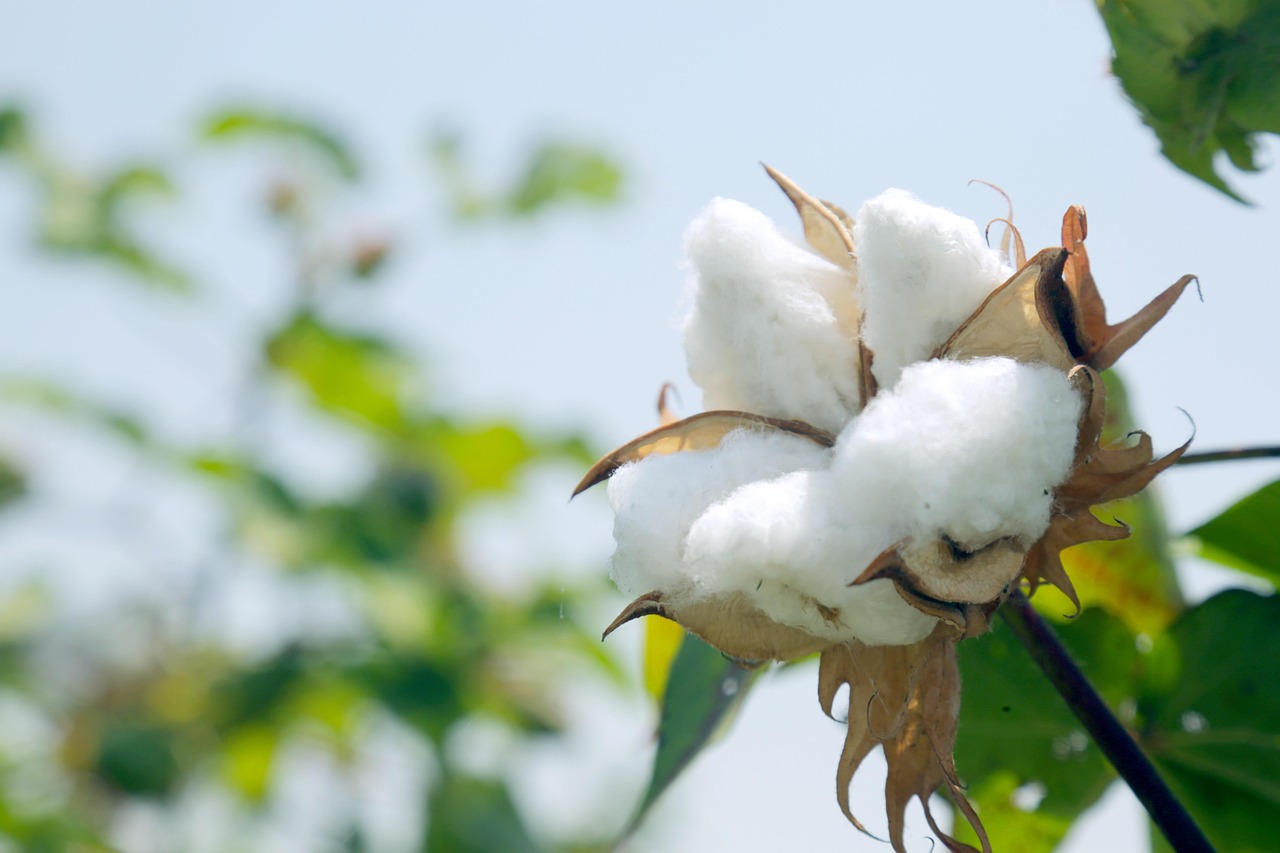
How Organic Cotton is Certified
The certification process ensures genuine organic cotton:
Farm Certification (2-3 years)
Farms must convert from conventional to organic practices, eliminating all synthetic chemicals whilst building soil health through composting, cover crops, and crop rotation. Third-party
inspectors verify compliance annually. Fields require 2-3 year transition period with testing for pesticide residues before receiving organic certification.
Processing Certification
GOTS certification extends beyond farming to processing, dyeing, printing, and finishing. Approved facilities must:
• Avoid toxic chemicals (formaldehyde, chlorine bleach, heavy metals, aromatic solvents)
• Use only approved low-impact dyes
• Implement wastewater treatment systems
• Maintain separation between organic and conventional materials
• Meet minimum social criteria including fair wages and safe conditions
Chain of Custody Each step from gin (where cotton seeds are separated from fibre) through spinning, weaving, dyeing, cutting, and sewing requires documentation. This traceable supply chain prevents fraudulent organic claims and ensures accountability.
Farms must convert from conventional to organic practices, eliminating all synthetic chemicals whilst building soil health through composting, cover crops, and crop rotation. Third-party
inspectors verify compliance annually. Fields require 2-3 year transition period with testing for pesticide residues before receiving organic certification.
Processing Certification
GOTS certification extends beyond farming to processing, dyeing, printing, and finishing. Approved facilities must:
• Avoid toxic chemicals (formaldehyde, chlorine bleach, heavy metals, aromatic solvents)
• Use only approved low-impact dyes
• Implement wastewater treatment systems
• Maintain separation between organic and conventional materials
• Meet minimum social criteria including fair wages and safe conditions
Chain of Custody Each step from gin (where cotton seeds are separated from fibre) through spinning, weaving, dyeing, cutting, and sewing requires documentation. This traceable supply chain prevents fraudulent organic claims and ensures accountability.
Caring for Organic Cotton Clothing
Extend the life of your organic cotton garments:
Washing
- Cold water (30°C maximum) preserves fibres and prevents shrinkage
- Use gentle, plant-based detergents free from optical brighteners and harsh chemicals
- Wash organic cotton separately from synthetics (prevents lint transfer)
- Skip fabric softener - organic cotton softens naturally with wear and unnecessary coatings reduce breathability
Drying
- Air dry whenever possible to extend garment life and save energy
- If using a dryer, select low heat
- Remove whilst slightly damp to reduce wrinkling
- Avoid over-drying which stresses fibres
Storage
- Fold heavy knits rather than hanging to prevent stretching
- Store in breathable cotton bags, not plastic which traps moisture
- Keep away from direct sunlight which fades natural dyes
Repairs
- Many organic cotton brands offer repair services:
- Organic Basics ReKnit programme repairs items for free
- People Tree offers alteration and repair guidance
- Local tailors can darn holes, replace buttons, and extend garment life
- Extending organic cotton clothing life by just 9 months reduces carbon footprint by 20-30%.
FAQ: Organic Cotton UK
Is organic cotton more expensive than regular cotton?
Initially yes - organic cotton clothing costs 10-30% more than conventional equivalents due to labour-intensive farming, fair wages, and smaller production runs. However, organic cotton lasts significantly longer (3-5 years vs. 6-18 months for fast fashion), making cost-per-wear competitive or cheaper. Brands like Pact and Komodo offer GOTS-certified organic cotton at prices comparable to high street conventional clothing.
Can I trust "organic cotton" claims without certification?
No - only third-party certified organic cotton is genuine. Look for GOTS, USDA Organic, or EU Organic certification numbers. Brands making vague "organic" claims without specific certification are greenwashing.
Legitimate organic brands eagerly display certificates and provide supply chain transparency. If a brand won't specify which certification they hold, assume the cotton isn't truly organic.
Legitimate organic brands eagerly display certificates and provide supply chain transparency. If a brand won't specify which certification they hold, assume the cotton isn't truly organic.
Does organic cotton shrink more than regular cotton?
No - both organic and conventional cotton shrink similarly (3-5% on first wash). The key factor is whether fabric is pre-shrunk during manufacturing, not whether it's organic. Wash organic cotton in cold water and air dry to minimise shrinkage. Most quality organic cotton brands pre-shrink fabrics or clearly indicate on care labels when shrinkage is expected.
Is organic cotton better for sensitive skin?
Yes - organic cotton lacks chemical residues from pesticides, formaldehyde, and harsh finishing treatments that commonly irritate skin. GOTS certification prohibits toxic dyes and chemicals, making organic cotton hypoallergenic. Many people with eczema, dermatitis, or chemical sensitivities find organic cotton the only fabric they can comfortably wear. The softer texture (due to preserved fibre integrity) also reduces friction and irritation.
Where is organic cotton grown?
India produces 51% of global organic cotton, followed by China (19%), Turkey (7%), and Kyrgyzstan (7%). Smaller production occurs in Tanzania, Egypt, Uganda, and the United States. UK brands typically source from Indian and Turkish organic farms with GOTS certification. Some brands like Rapanui manufacture in the UK but source organic cotton from certified international farms.
How can I tell if organic cotton is high quality?
Check for: (1) GOTS certification confirming organic growing and ethical processing, (2) Higher weight fabric (180+ GSM for t-shirts indicates quality), (3) Long-staple cotton which pills less and lasts longer, (4) Pre-shrunk fabric maintaining size after washing, (5) Reinforced seams and quality construction, (6) Brand transparency about supply chain and factory locations. Quality organic cotton softens with washing whilst maintaining structure rather than thinning or developing holes.
Do all sustainable brands use organic cotton?
No - sustainable fashion includes various approaches beyond organic cotton: recycled materials, low-impact dyes, ethical manufacturing, circular business models, and regenerative agriculture. Some brands use "Better Cotton Initiative" (reduced but not eliminated pesticides), recycled cotton (diverts textile waste), or innovative materials like Tencel and hemp. Organic cotton is one important element of sustainable fashion but not the only consideration.
Can organic cotton be recycled?
Yes - 100% organic cotton is fully biodegradable and recyclable. Brands like Rapanui operate take-back programmes recycling old organic cotton garments into new ones. However, most textile recycling currently downcycles cotton into insulation or cleaning cloths rather than new garments. Innovations like H&M Foundation's Green Machine aim to recycle cotton back into high-quality yarn, though the technology isn't yet widespread.
Is organic cotton worth it?
Yes for both personal and environmental reasons. Organic cotton eliminates exposure to pesticide residues, supports fair wages for farmers, dramatically reduces water pollution, requires 91% less water, and produces more durable clothing. The 10-30% premium pays for genuine environmental and social responsibility rather than externalised costs. For items worn frequently (underwear, basics, bedding), organic cotton's longevity and health benefits justify the investment.
What's the difference between GOTS and OCS certification?
GOTS (Global Organic Textile Standard) is comprehensive - covering organic farming, ethical processing, prohibited chemicals, wastewater treatment, and fair labour throughout the supply chain. OCS (Organic Content Standard) only verifies organic content percentage without requiring ethical production or environmental processing standards. GOTS is the gold standard; OCS is less rigorous. Always prioritise GOTS certification when shopping for organic cotton.
Make the Switch to Organic Cotton
Choosing organic cotton represents a practical, impactful step toward sustainable fashion. Unlike vague eco- friendly claims, GOTS-certified organic cotton offers verified environmental and social benefits - eliminating toxic pesticides, supporting fair wages, conserving water, and delivering softer, longer-lasting fabrics.
The UK market now offers organic cotton options for every budget, from Pact's affordable basics to Beaumont Organic's elegant designs. You don't need to replace your entire wardrobe overnight; start with items worn closest to skin (underwear, t-shirts, sleepwear) or pieces purchased most frequently.
Every organic cotton purchase votes for chemical-free farming, fair labour practices, and environmental responsibility. The conventional cotton industry won't change until consumer demand shifts. Your choices matter - and certified organic cotton proves sustainable fashion delivers both ethics and quality.
The UK market now offers organic cotton options for every budget, from Pact's affordable basics to Beaumont Organic's elegant designs. You don't need to replace your entire wardrobe overnight; start with items worn closest to skin (underwear, t-shirts, sleepwear) or pieces purchased most frequently.
Every organic cotton purchase votes for chemical-free farming, fair labour practices, and environmental responsibility. The conventional cotton industry won't change until consumer demand shifts. Your choices matter - and certified organic cotton proves sustainable fashion delivers both ethics and quality.
Ready to switch to organic cotton?
Start with the certified brands above, check for GOTS certification labels, and experience the difference genuine organic cotton makes for your wardrobe and the planet.
Find many more ethical brands using organic cotton, and thousands of produce on The Carbon Closet website.
Sign up to our newsletter for more information and deep dives into sustainable fabrics and products.
Start your sustainable fashion journey today.
Find many more ethical brands using organic cotton, and thousands of produce on The Carbon Closet website.
Sign up to our newsletter for more information and deep dives into sustainable fabrics and products.
Start your sustainable fashion journey today.
