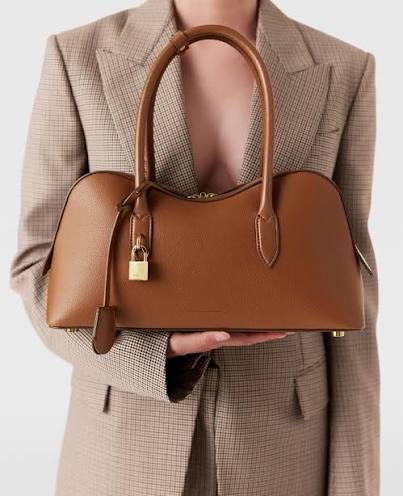
Vegan leather is one of the most innovative materials in modern fashion, shaping the future of sustainability through the work of advocates and forward-thinking brands such as Stella McCartney, Veja, and Miomojo. The use of bio-based materials marks a pivotal shift in conscious clothing production, demonstrating that fashion can move closer to truly sustainable practices. Importantly, these innovations extend beyond leather alternatives and offer potential applications across many material categories.
Animal vs. Vegan Leather
Animal leather production emits significant amounts of CO₂ at every stage of its lifecycle, from cattle farming and feed production to tanning, finishing, and global transportation. On average, the production of one square metre of cow leather generates approximately 17kg of CO₂.
Beyond animal welfare concerns, traditional leather presents serious environmental challenges for the fashion industry. Livestock farming alone is responsible for over half of the fashion industry’s methane emissions, making leather a key contributor to climate change. Combined with higher production costs and retail prices, these factors have led many consumers to seek alternatives.
Historically, this demand resulted in the rise of synthetic vegan leather. Due to its lower cost of production and accessibility, plastic-based alternatives quickly gained popularity as cruelty-free substitutes for animal leather.
The History of Vegan Leather
Today, it is common to find products labelled “vegan leather” on the high street, most often made from PVC or polyester. While these materials avoid the use of animal products, they are not inherently sustainable.
Synthetic leathers rely on fossil fuel extraction and chemical-intensive manufacturing processes. These chemicals are released into the environment during production and throughout the product’s lifecycle. Although synthetic leather typically produces slightly less CO₂ than animal leather—around 15–16kg per square metre—it still contributes significantly to carbon emissions.
At the end of their lifespan, synthetic leathers pose an even greater environmental issue. As polymer-derived materials, they do not biodegrade in the same way animal leather can. As a result, despite being cruelty-free and more affordable, synthetic leathers often contribute more to long-term physical pollution and landfill waste.
The Rise of Bio-Based Leathers
In recent years, a new generation of vegan leather has emerged: bio-based leather. These materials replace animal products and reduce reliance on synthetic plastics by using naturally derived sources such as plants, fruits, and agricultural waste.
Many bio-based leathers are created using by-products from other industries, such as apple pulp from juice production, which enhances their circular and resource-efficient appeal. This approach reduces waste while creating innovative, functional materials.
Few designers are as closely associated with bio-based leather innovation as Stella McCartney, who has never used animal leather in her collections. Her brand has pioneered the use of mycelium (fungi-based leather), grape leather, and Mirum—a plastic-free natural rubber composite—across luxury shoes, bags, and accessories.
Following McCartney’s lead, other brands have rapidly adopted bio-based alternatives. Veja has championed their use within the sneaker industry, while brands such as Themoire have integrated them into the vegan accessories market.

The Future of Vegan Bio-Leathers
Bio-based leathers currently represent the most ethical and low-impact alternative to traditional leather, yet they are not without limitations. Many materials still rely on small amounts of synthetic binders or coatings to improve durability, flexibility, or finish. This compromises full biodegradability and complicates end-of-life disposal.
In addition, bio-based leathers have not yet consistently matched the longevity or water resistance of animal or fully synthetic leather. As these materials are relatively new, they have not been tested across long-term use cycles. However, this does not suggest failure—rather, it highlights the need for continued innovation and material development.
Encouragingly, progress is already being made. Some bio-based leathers can now be broken down and recycled, helping to divert waste from landfill. Other bio-leather producers have begun producing next-gen materials which use no plastic whatsoever, including Mirum and Treekind. Other inventive materials derived from coffee grounds, corn, bamboo, cactus, and even peanut shells have entered commercial production, and we can expect to see more bio-based leather free themselves from plastics as they head towards a truly ethical fashion future. Companies such as Desserto, Piñatex, and Oleatex continue to grow rapidly, securing new partnerships and advancing material science each year.
Why Choose Bio-Based Leather?
Consumers who value both style and sustainability should not overlook bio-based leather. Alongside the wider conscious fashion movement, bio-based materials represent one of the fastest-growing sectors in the industry, with the potential to redefine circular design and reduce reliance on fossil fuels.
As innovation progresses, these materials continue to improve in quality, performance, and accessibility—making them an increasingly viable and desirable alternative for modern wardrobes.
Start Your Sustainable Fashion Journey Today
If you’re looking to invest in vegan leather products, The Carbon Closet offers hundreds of options, from apple-skin bags to cactus-leather shoes. Every product on our website meets at least one of our seven ethical fashion criteria, promoting a circular and conscious approach to style.
To learn more about vegan leather materials, explore our blog series that examines the production methods, advantages, and limitations of specific bio-based leathers—starting with mycelium. Sign up to our newsletter to stay informed on the latest partnerships, trends, and tips shaping the future of ethical fashion.
