Why the Colours You Love Might Be an Environmental Cost
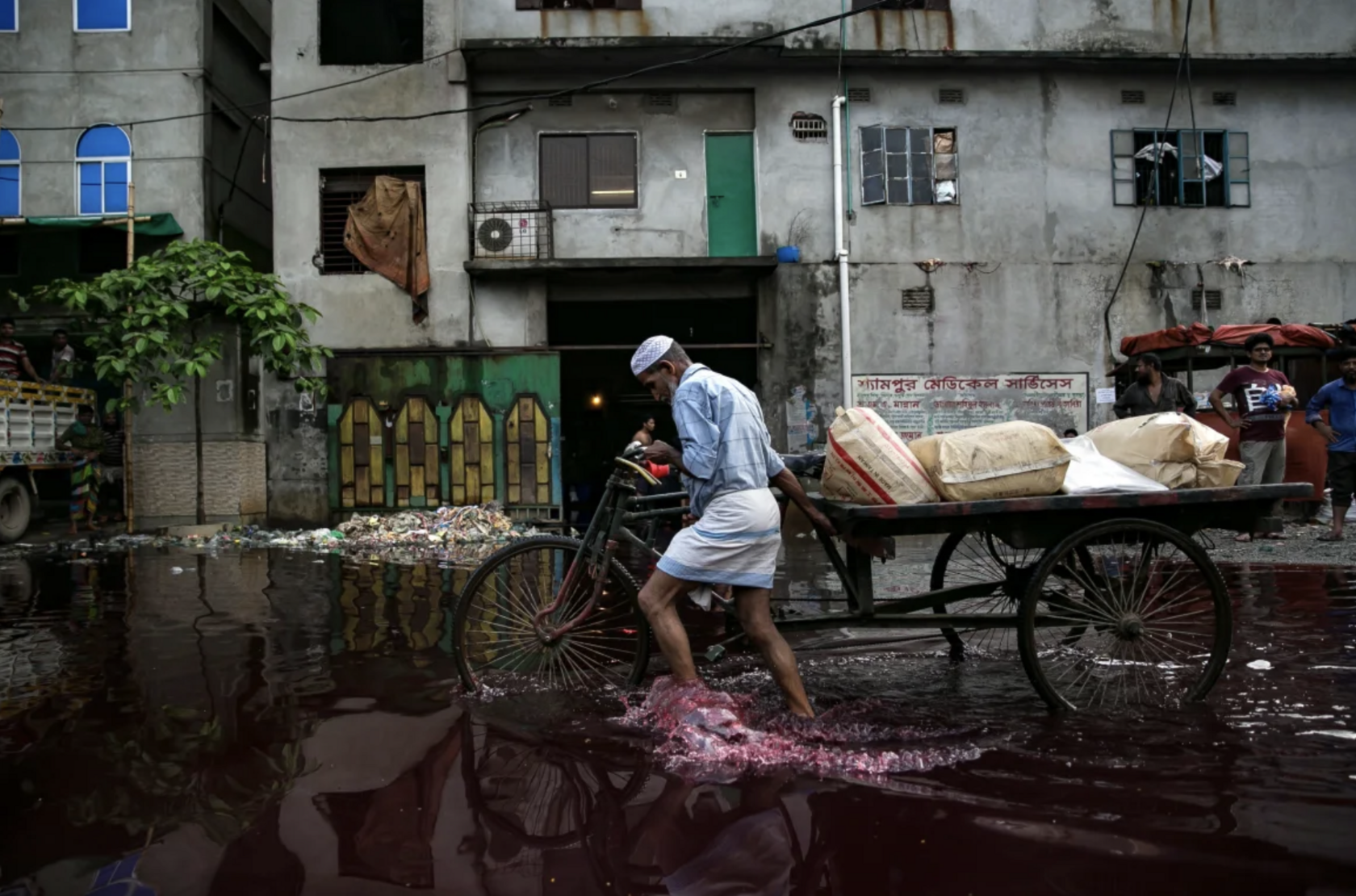
When you pick up that bold, brightly-coloured top or add a neon dress to your cart, it’s easy to feel confident and expressive—that’s fashion at its best. But behind the dye-bath and finishing touches lies a hidden cost: the water, chemicals and carbon footprint of turning garments vivid. The global fashion industry is responsible for a large part of global water pollution and carbon emissions. In Asia especially—where much of the manufacturing, dyeing and finishing takes place—rivers are turning black or lifeless as wastewater from textile plants is discharged untreated.
By understanding that our wardrobe choices impact ecosystems and communities far beyond the changing-room mirror, we unlock the power to become more carbon-conscious, to favour ethical fashion, and to use our buying power to support circular fashion and truly sustainable fashion practices.
The Hidden Flow: How Dyeing Impacts Rivers
Dyeing and finishing textiles are among the most resource-intensive and pollution-heavy stages of garment production. According to an article from Euronews, these processes account for over 20% of global water pollution and around 3% of global CO₂ emissions—with projections suggesting that figure could rise as high as 10% by 2050.
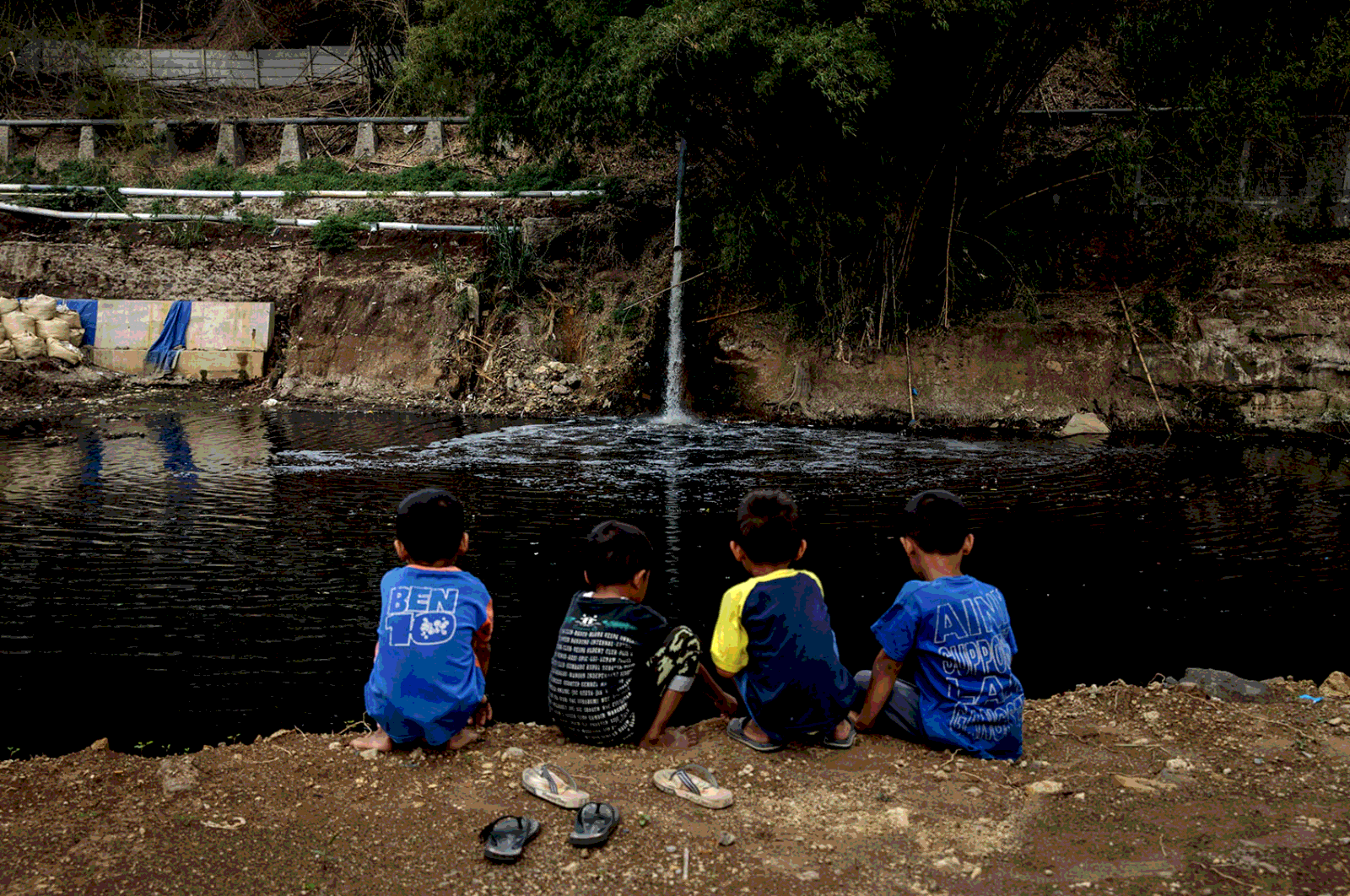
In fast-fashion hubs across Bangladesh, India, China and Indonesia, waste-water from textile factories—laden with dyes, salts, heavy metals and other hazardous chemicals—is often dumped into rivers without adequate treatment. For example, the Citarum River in Indonesia is one of the most polluted in the world, with thousands of textile and dyeing factories discharging toxic waste daily.
If you love vibrant garments, it helps to know: each season’s new colour trend adds new chemical formulas, more water and more potential risk to local ecosystems—and ultimately to human health downstream.
Why It Matters to You—and to People Elsewhere
You might ask: “How does the colour of my clothes affect someone far away?” Because the clothes you wear are part of a global supply chain. Even if your purchase happens in the UK, the dyeing, finishing and disposal might happen in Asia. When rivers near manufacturing zones become black or ink-like, communities lose access to clean water, agriculture suffers and aquatic life collapses.
Beyond the environment, this directly ties into the notion of ethical fashion: choosing garments that don’t compromise human rights, health, or ecosystems. It also joins the conversation around circular fashion: if we think beyond one-use and trend-driven consumption, and ask for garments created with lower water and chemical use, then shipped, sold and reused or recycled responsibly, we participate in a system that is sustainable—rather than destructive.
Being carbon-conscious means recognising the greenhouse-gas and chemical burden of textiles. Being a vegan or choosing plant-based or synthetic-but-clean fabrics often minimises some of the environmental impacts. When you buy less, buy better, and keep garments longer, you give the colour you wear meaning beyond just appearance.
How to Make Your Closet a Force for Good
Here are some practical steps you can take to align your wardrobe with the values of sustainable fashion, ethical fashion and circular fashion:
- Buy fewer items, favouring pieces you’ll wear repeatedly.
- Choose garments from brands or platforms that disclose their supply-chain water and chemical use.
- Prioritise clothing made via eco-dyeing or low-water finishing technologies (which are emerging in response to dye-pollution concerns).
- Support recycled, reused or vegan fabrics that reduce reliance on high-impact raw-materials.
- When you no longer wear something, pass it on, repair it, or recycle it—don’t simply discard it.
- Each of these steps reduces demand for new, highly polluting garments, and helps break the cycle of river-pollution that colourful fashion too often hides.
Take Action with The Carbon Closet
If you’re ready to join the movement for truly sustainable fashion—where your style reflects your values and doesn’t cost rivers, communities or ecosystems—then explore what we do at The Carbon Closet. We’re a sustainable fashion platform committed to ethical fashion, circular fashion and carbon-conscious wardrobes. Let’s turn the story of your closet from pollution to purpose—one garment at a time.
