
Why Bio-Based Materials Matter More Than Ever
As consumers become increasingly aware of their environmental impact, the demand for sustainable fashion, ethical fashion and carbon-conscious products continues to grow. While many people are familiar with organic cotton, recycled polyester and bamboo, a new generation of eco-materials is emerging that could transform how we design, build and consume products.
Bio-based materials are derived from renewable natural resources rather than fossil fuels, helping to reduce carbon emissions, minimise waste and support a circular fashion economy. Unlike conventional materials, many of these innovations are biodegradable, recyclable or made from waste streams that would otherwise end up in landfill. From algae-grown textiles to construction materials made from agricultural waste, these innovations demonstrate how nature-inspired design can create solutions that are both practical and environmentally responsible.
Below are five fascinating eco-materials that remain relatively unknown but have the potential to reshape industries ranging from sustainable fashion to architecture.
1) Algae-Based Materials

Turning Nature's Fastest-Growing Organism into Design Innovation
Algae is one of the world's most abundant and rapidly renewable biological resources. Unlike many conventional crops, it requires no arable land and can grow using sunlight, water and carbon dioxide. Researchers and companies have been exploring algae as a source for bio-based plastics, dyes, foams and textile fibres.
The appeal of algae lies in its ability to absorb carbon dioxide during growth while producing useful biomass. Depending on the species used, algae-derived materials can be biodegradable, lightweight and suitable for applications ranging from packaging to fashion accessories. In the textile sector, algae-based pigments and fibres are being developed as alternatives to synthetic dyes and petroleum-derived materials.
Because algae grows quickly and can be cultivated in controlled environments, it offers significant potential as a low-impact resource for sustainable fashion and circular design systems. As brands seek vegan and carbon-conscious alternatives to traditional materials, algae is increasingly being recognised as a promising solution for the future of ethical fashion.
2) Rammed Earth
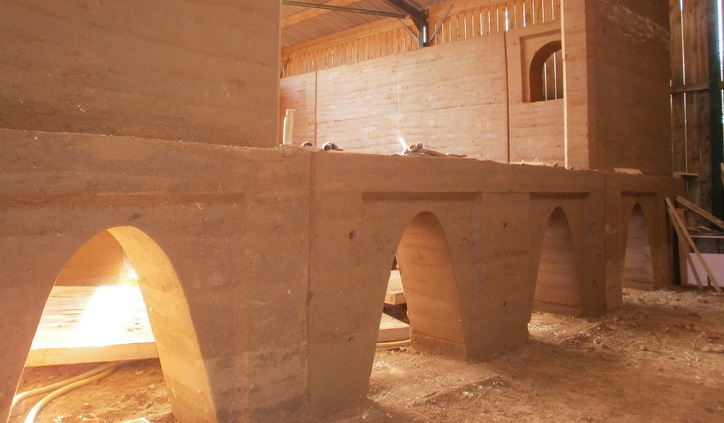
An Ancient Building Technique with Modern Sustainability Benefits
While rammed earth may sound unfamiliar to many consumers, it is actually one of humanity's oldest construction methods. The process involves compressing natural materials such as soil, clay, sand and gravel into dense forms to create durable walls and structures.
What makes rammed earth particularly relevant today is its exceptionally low embodied carbon compared to conventional building materials such as concrete. Because it uses largely local, minimally processed materials, it requires significantly less energy to produce. The resulting structures also provide excellent thermal mass, helping regulate indoor temperatures naturally and reducing reliance on heating and cooling systems.
Modern architects have revived rammed earth construction as part of the growing movement toward regenerative and environmentally responsible design. Its natural appearance, durability and low environmental footprint make it a compelling example of how traditional knowledge can support contemporary sustainability goals. For environmentally conscious consumers, it demonstrates that innovation is not always about creating something new—sometimes it means rediscovering proven solutions from the past.
3) Malai Leather
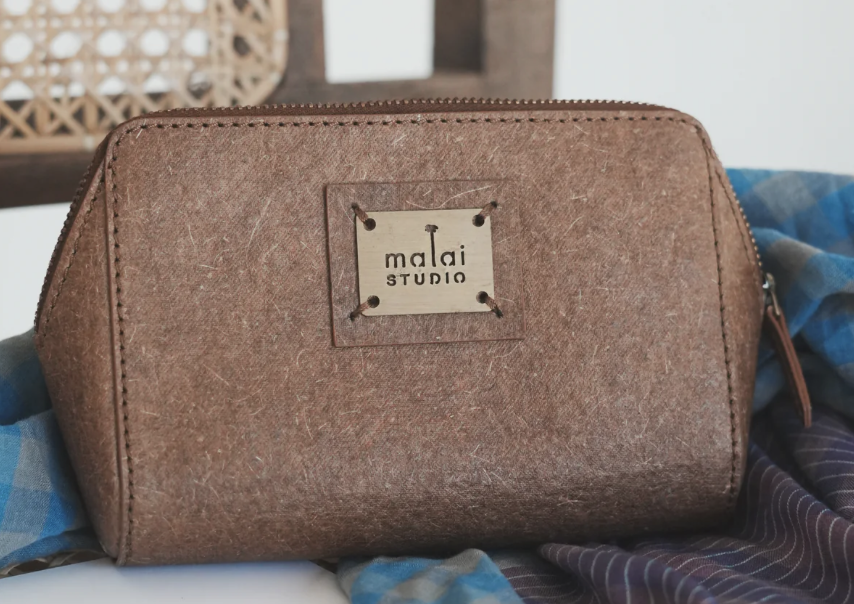
The Plastic-Free Vegan Leather Made from Coconut Waste
Developed by Indian designers Zuzana Gombosova and Sravan Kumar, Malai is an innovative bio-based material made from bacterial cellulose grown using waste coconut water from the food industry (Malai, 2024). Through a natural fermentation process, microorganisms transform the nutrient-rich liquid into flexible cellulose sheets, which are then treated with natural oils to create a durable leather-like material.
What sets Malai apart from many other vegan leathers is that it contains no plastic whatsoever. While many vegan alternatives still rely on polyurethane (PU) or PVC coatings, Malai is entirely plant-based and biodegradable under the right conditions (Material Innovation Initiative, 2023). Lightweight, flexible and naturally textured, it is well suited to accessories, bags and small lifestyle products, offering a truly circular and carbon-conscious alternative for sustainable fashion brands.
4) Vivomer
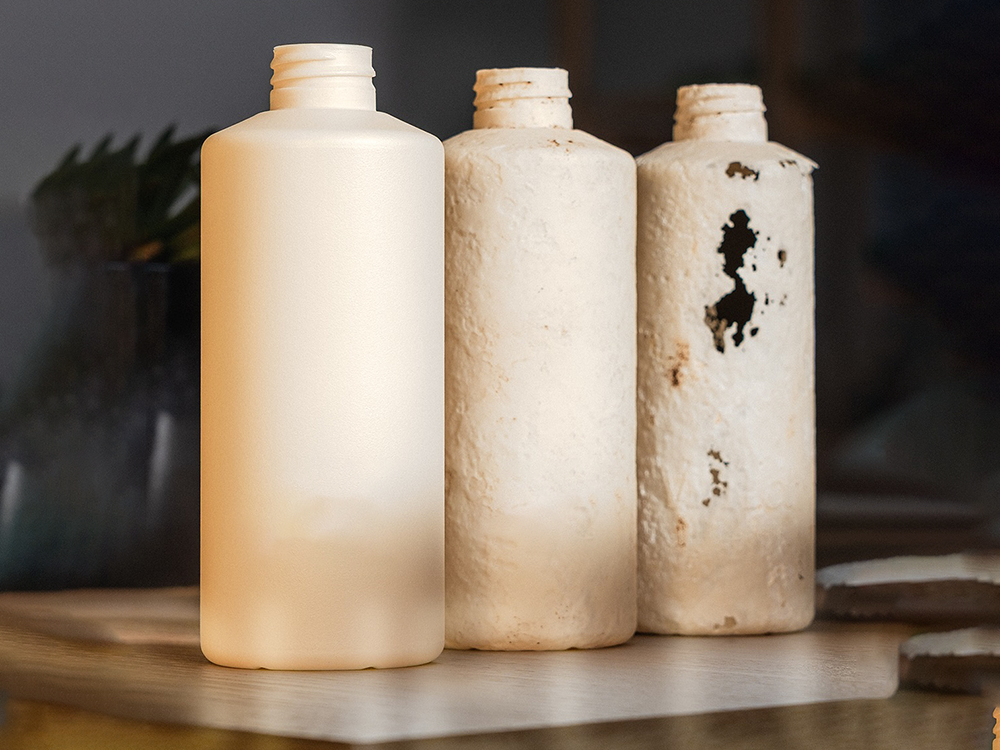
The Marine-Inspired Material Challenging Conventional Plastics
One of the most exciting bio-based innovations in recent years is Vivomer, a material developed by UK-based biomaterials company Shellworks. Vivomer is a polyhydroxyalkanoate (PHA), a naturally occurring biopolymer produced by microorganisms found in marine and soil environments (MILK Material Lab, 2024).
Unlike traditional plastics made from fossil fuels, Vivomer is bio-based, home-compostable and free from microplastics. It is also entirely vegan, making it particularly appealing to consumers seeking environmentally responsible alternatives. Despite its sustainability credentials, Vivomer retains many of the desirable properties associated with conventional plastics, including durability, smooth finishes and versatility across different product applications (MILK Material Lab, 2024).
The material has already been used in packaging and consumer goods, demonstrating how biotechnology can create practical alternatives to single-use plastics. As pressure mounts on industries to reduce plastic pollution, materials like Vivomer showcase the potential for innovative, nature-derived solutions that work within ecological systems rather than against them.
5) Hempcrete
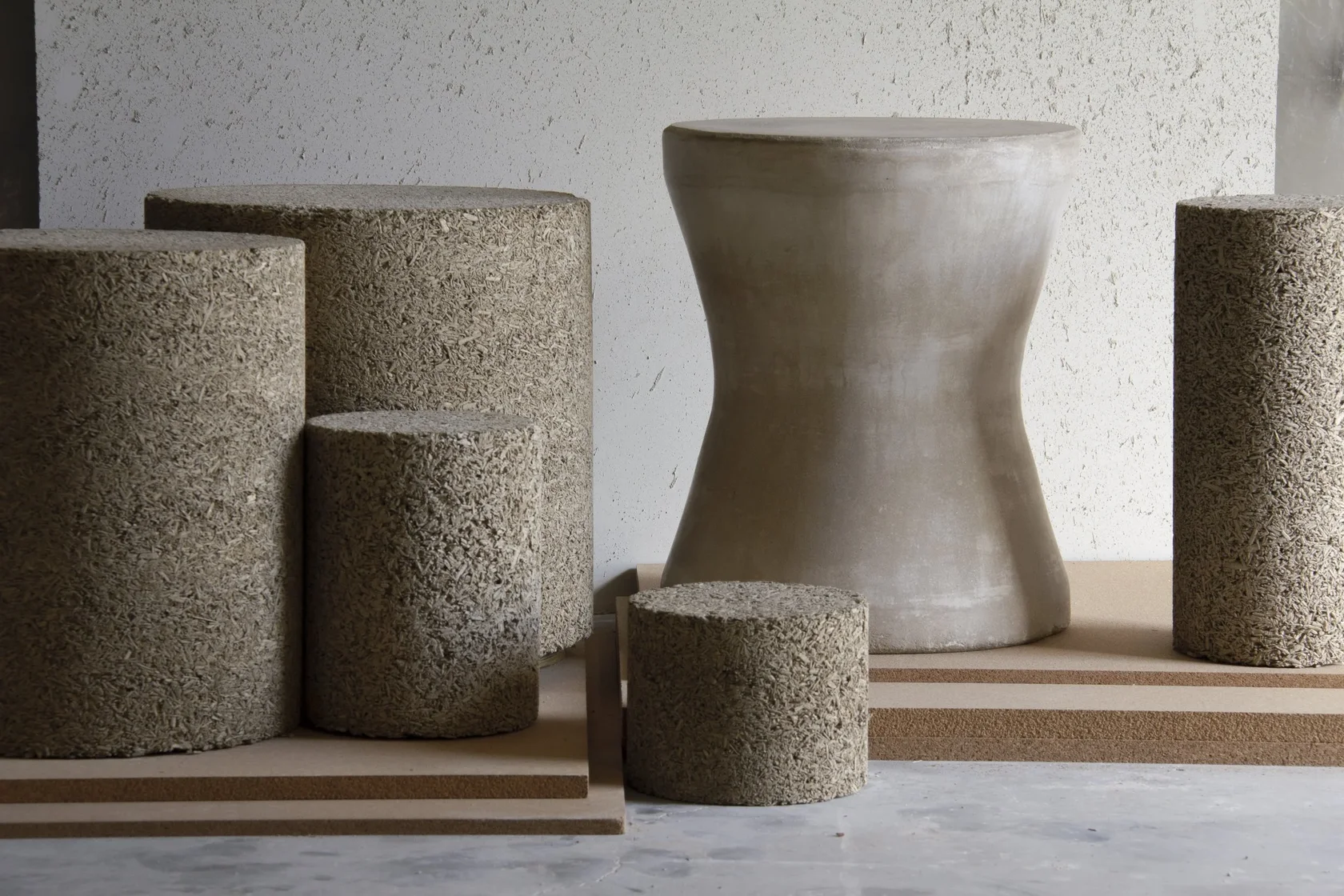
The Carbon-Conscious Material Building a Greener Future
Hempcrete is a bio-composite material made from hemp shiv—the woody inner core of the hemp plant—combined with a lime-based binder and water (UK Hempcrete, 2021). Although it resembles concrete in appearance, hempcrete is primarily used as insulation and infill rather than as a structural material.
Developed in its modern form in France during the 1980s for the restoration of historic buildings, hempcrete has since become a recognised sustainable construction material around the world (Wikipedia, 2025). Its popularity stems from its remarkable environmental benefits. Hemp absorbs significant amounts of carbon dioxide as it grows, while the lime binder continues to absorb carbon during the curing process, making hempcrete a low-carbon and potentially carbon-negative building material (The Limecrete Company, 2025).
In addition to its environmental advantages, hempcrete offers excellent thermal insulation, moisture regulation and breathability, helping create healthier indoor environments (UK Hempcrete, 2021). These properties make it particularly attractive for eco-conscious construction projects seeking to minimise environmental impact while improving energy efficiency.
A Future Built from Better Materials
Innovation Starts with Material Choices
The materials we choose play a significant role in shaping our environmental impact. Whether it's algae-based textiles, pressed agricultural waste, biodegradable bioplastics such as Vivomer or carbon-conscious materials like hempcrete, these innovations demonstrate that sustainable alternatives are rapidly becoming more accessible and effective.
As consumers, supporting products made from renewable, low-impact and circular materials sends a powerful message to industries about the future we want to build. Every purchase has the potential to encourage innovation, reduce waste and accelerate the transition towards a more sustainable economy.
Discover Sustainable Innovation with The Carbon Closet
At The Carbon Closet, we believe that material innovation is one of the most important drivers of sustainable fashion and ethical fashion. As a platform dedicated to helping consumers discover carbon-conscious, vegan and environmentally responsible brands, we're committed to highlighting the innovations shaping a more circular fashion future.
Explore our platform to discover innovative new materials and brands embracing sustainable materials and making positive choices for people and the planet.
Sign up to our newsletter to stay aware of all the latest sustainable fashion news.
Explore our platform to discover innovative new materials and brands embracing sustainable materials and making positive choices for people and the planet.
Sign up to our newsletter to stay aware of all the latest sustainable fashion news.
Enjoyed this? Here are some more articles we think you'll love:
