For many fashion lovers, owning a luxury piece is aspirational. Yet in today’s climate-conscious world, a designer label alone is no longer enough. If you have a genuine care for fashion, rather than just the label, you’ll care about what goes into a brand (and what gets “thrown out” of it too!)
As sustainability becomes a marketing buzzword, many luxury houses have adopted eco-language without measurable change. Certifications, supply chain transparency and material innovation are now the true markers of progress.
This is why The Carbon Closet has curated a list of the best designer brands that are truly worth the hype. Our platform hosts only the most ethical, conscious and accountable brands, with a price range to suit every customer.
So if you’re looking for luxury, look no further, here is...
As sustainability becomes a marketing buzzword, many luxury houses have adopted eco-language without measurable change. Certifications, supply chain transparency and material innovation are now the true markers of progress.
This is why The Carbon Closet has curated a list of the best designer brands that are truly worth the hype. Our platform hosts only the most ethical, conscious and accountable brands, with a price range to suit every customer.
So if you’re looking for luxury, look no further, here is...
5 Sustainable High-End Brands Worth the Hype:
1) Stella McCartney
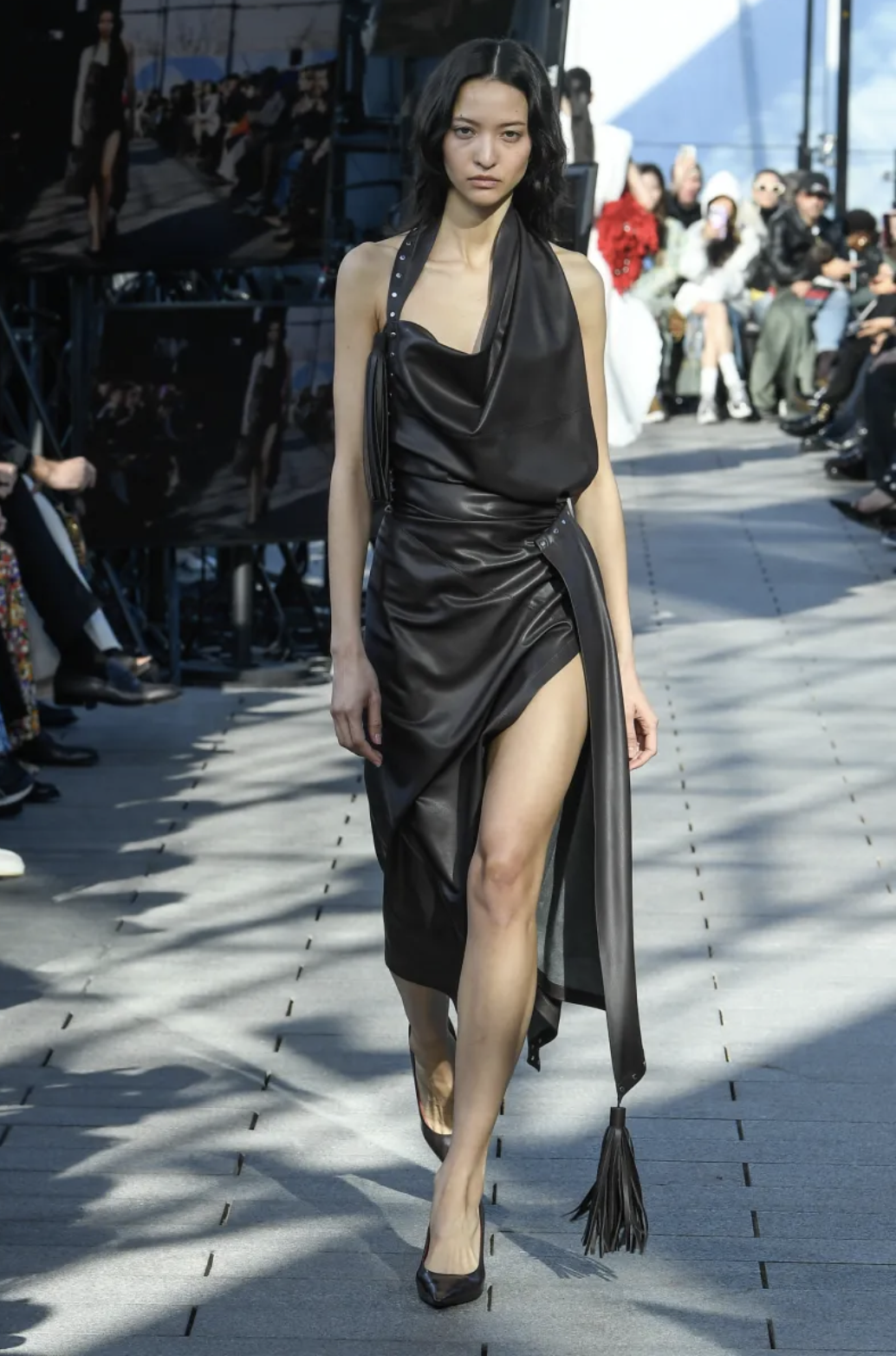
The queen of sustainable luxury. Stella McCartney has been using cruelty-free alternatives such as Fevvers and vegan leather alternatives, long before they began trending. She paves the way for other designers in the world of sustainable fashion by demonstrating how luxury fashion does not compromise on style, but in fact opens a whole new realm for creativity.
2) Ganni
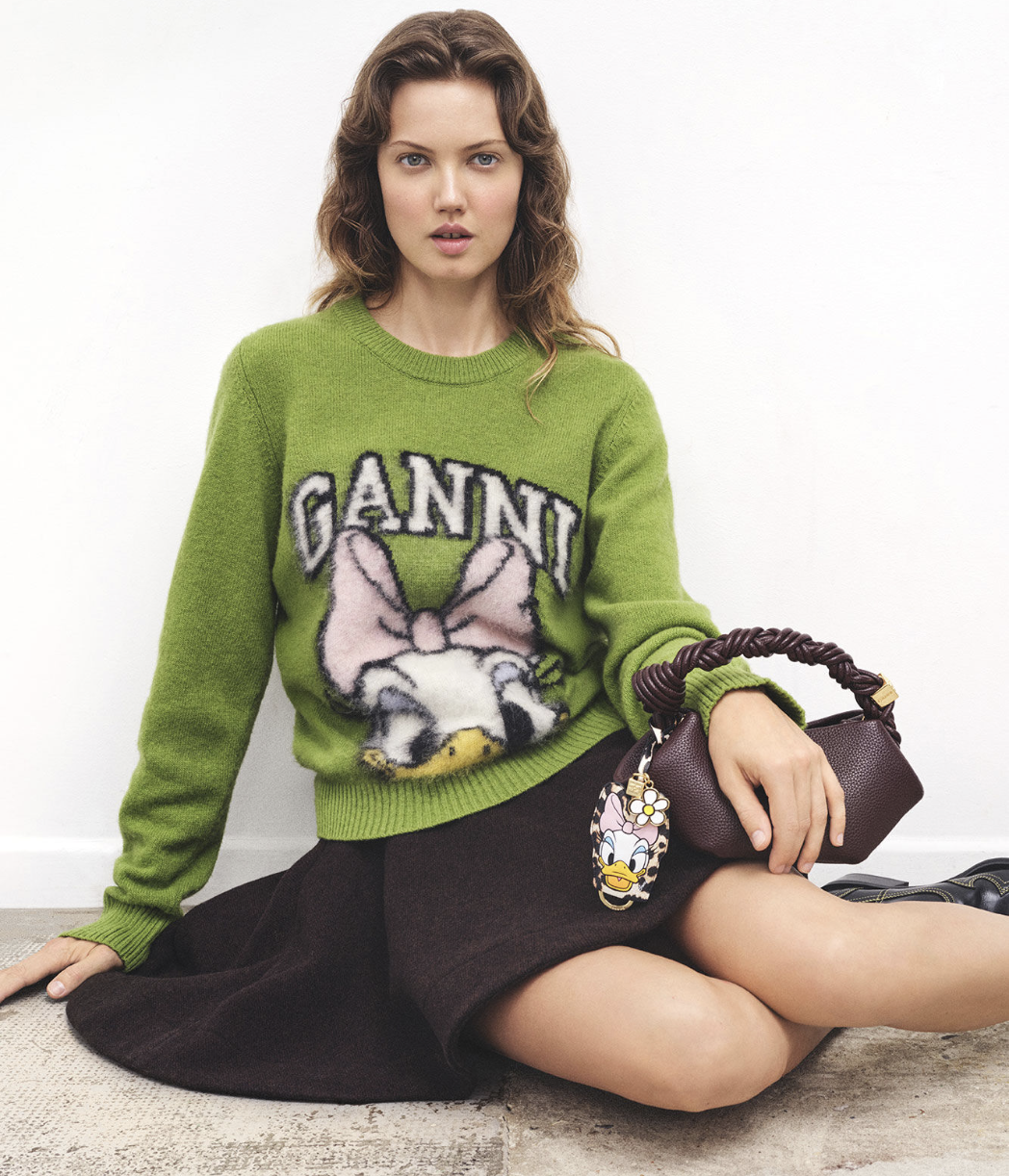
Aimed at a slightly younger demographic than the other mentioned brands, Ganni takes on a more mainstream approach to everyday fashion, with graphic t-shirts and playful silhouettes, and by doing so, encourage the younger age groups to buy organic cotton and recycled fibres. Although Ganni opts to avoid labelling themselves as a “sustainable brand”, they do provide an annual responsibility report, and pride themselves in their transparency, responsibility and ongoing push for industry change.
3) Nanushka
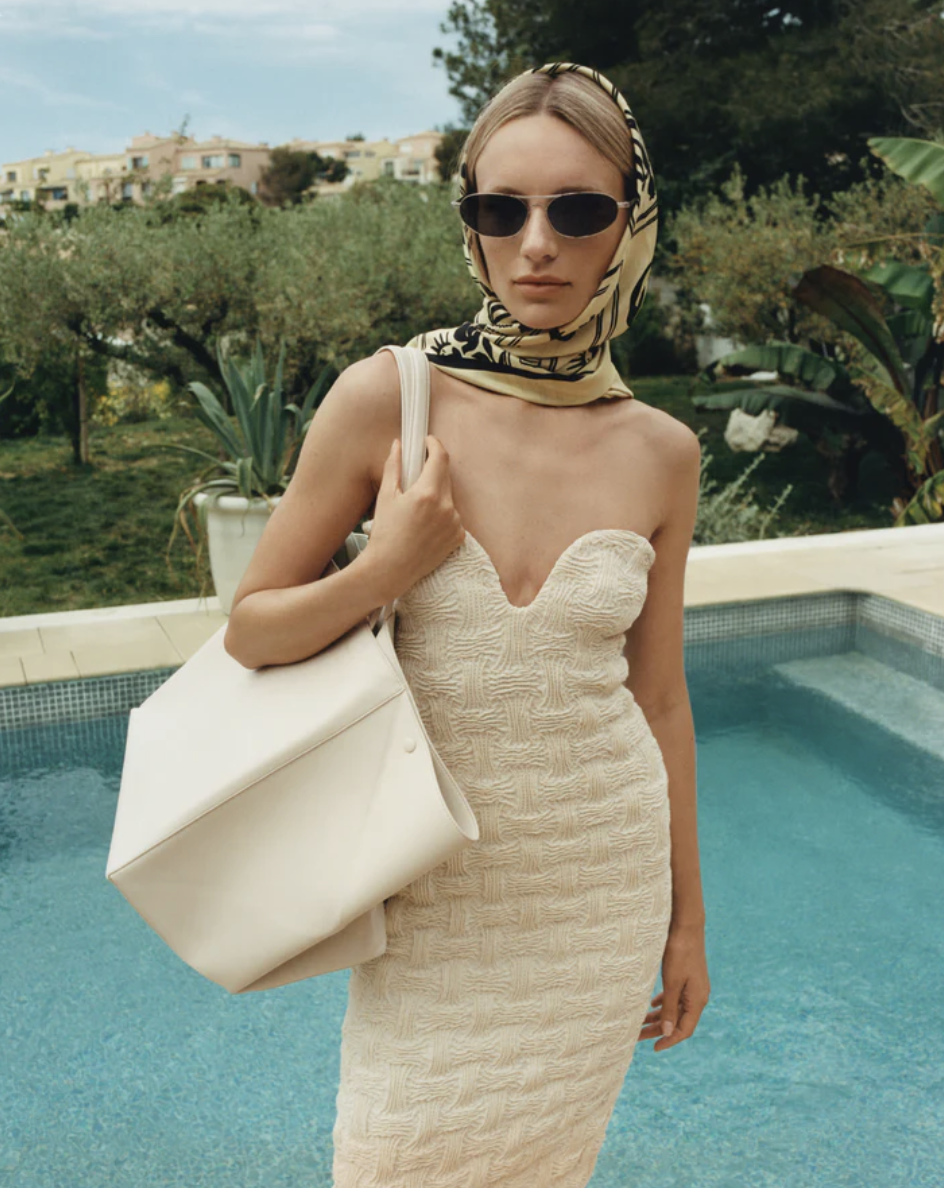
Nanushka’s ethos is circularity, community and earth. Evident by their classic, earthy palette, Nanushka often draw inspiration from the world around us, and aims to nourish and give back to the earth by utilising low-impact, circular materials for a low carbon footprint. This brand has also developed an in-house vegan leather using recycled materials; Okobor leather is exclusive to Nanushka and gives them a status of sustainability in the fashion scene.
4) AKYN
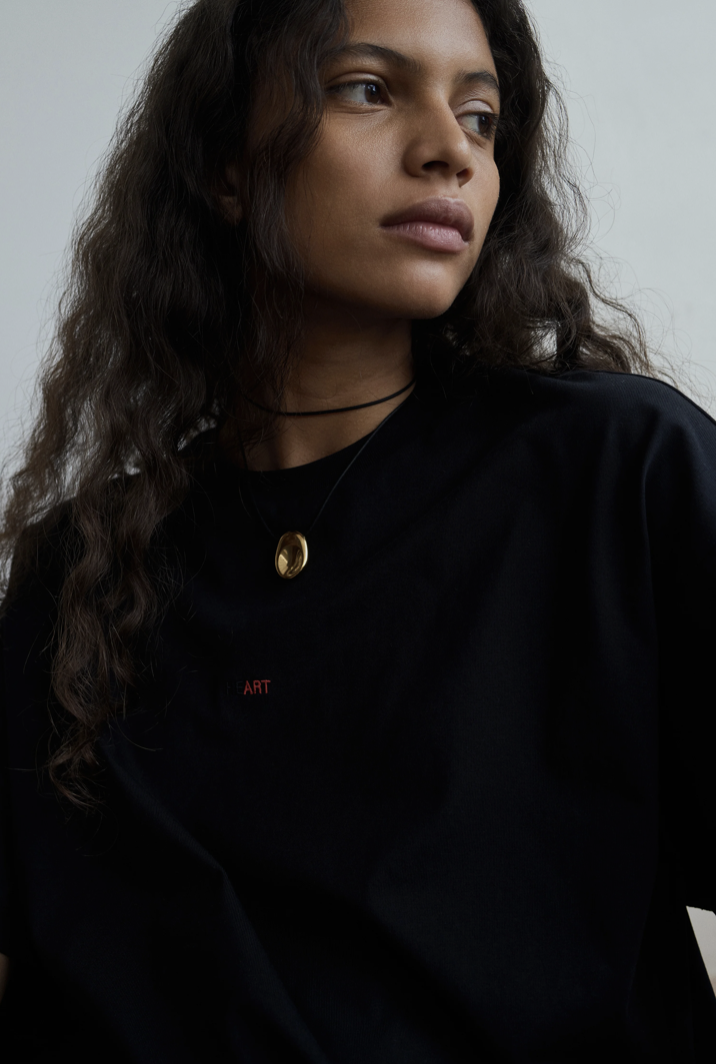
AKYN aims to be “the most responsible and traceable brand, affirmed through certifications and authentic storytelling”. Their collections often focus on wardrobe staple pieces that exude classic, elegance and timelessness- items immune to fast fashion trends. They also provide a London-based repair scheme for their products, proving that AKYN really are achieving their attributed fashion “force for good”.
5) Chloé
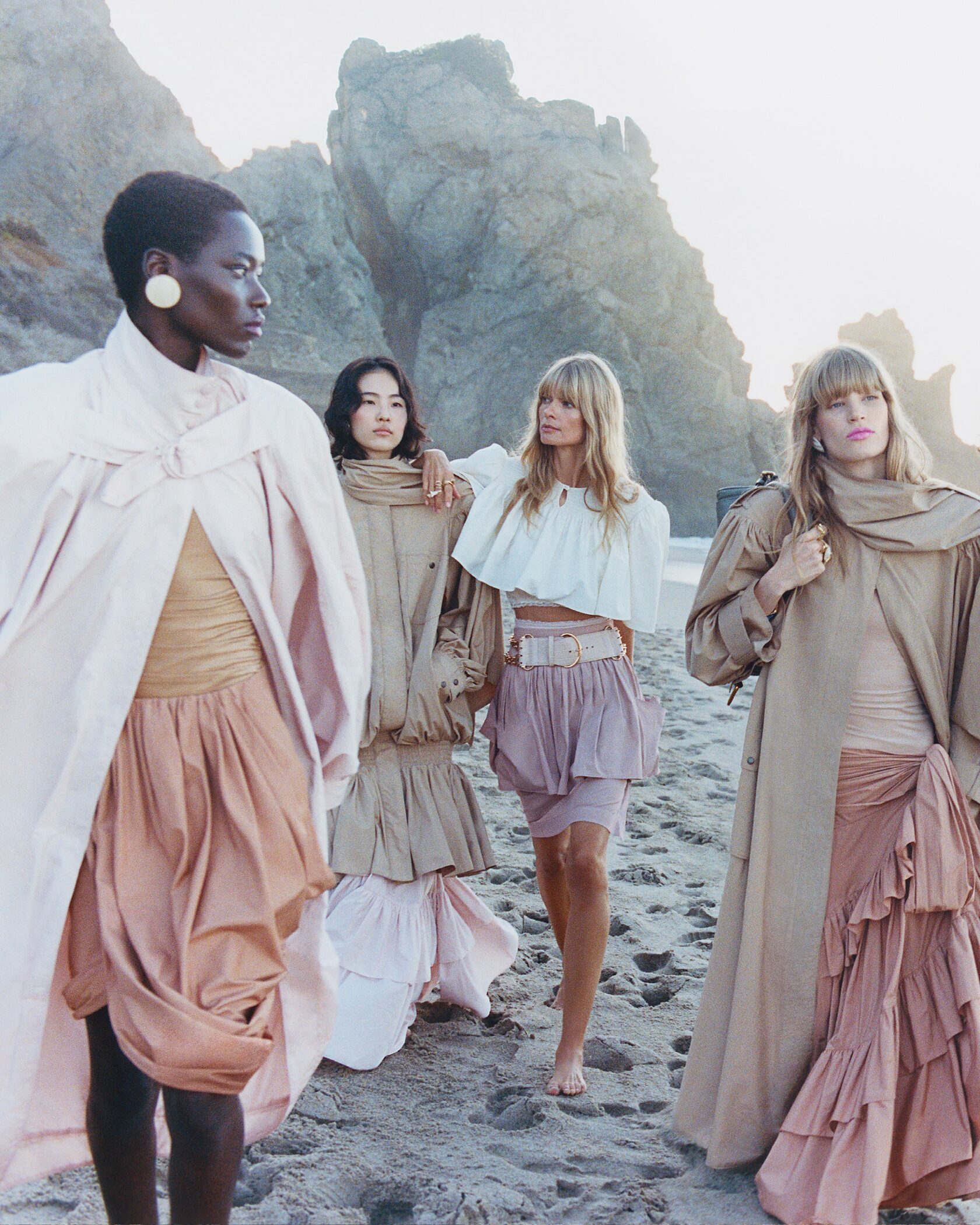
In 2021, Chloé became the first major luxury fashion house to achieve B Corp certification — setting a new benchmark for accountability in high fashion. With Gabriela Hearst as creative director, Chloé significantly increased the use of low-impact materials and introduced the use of digital IDs for their products. This not only supports resale but allows for the brand to achieve a strong recognition towards traceability and accountability.
Shopping for sustainable luxury items is more important now than ever, and our platform aims to make accessing the brands best suited to your needs, as easy as possible. At The Carbon Closet, we curate brands that combine design integrity with environmental responsibility — making conscious luxury accessible without compromise. Explore more products on our website and sign up to our newsletter to explore more ethical brands, innovative materials and top news stories.
High-end does not have to mean high impact.
High-end does not have to mean high impact.
