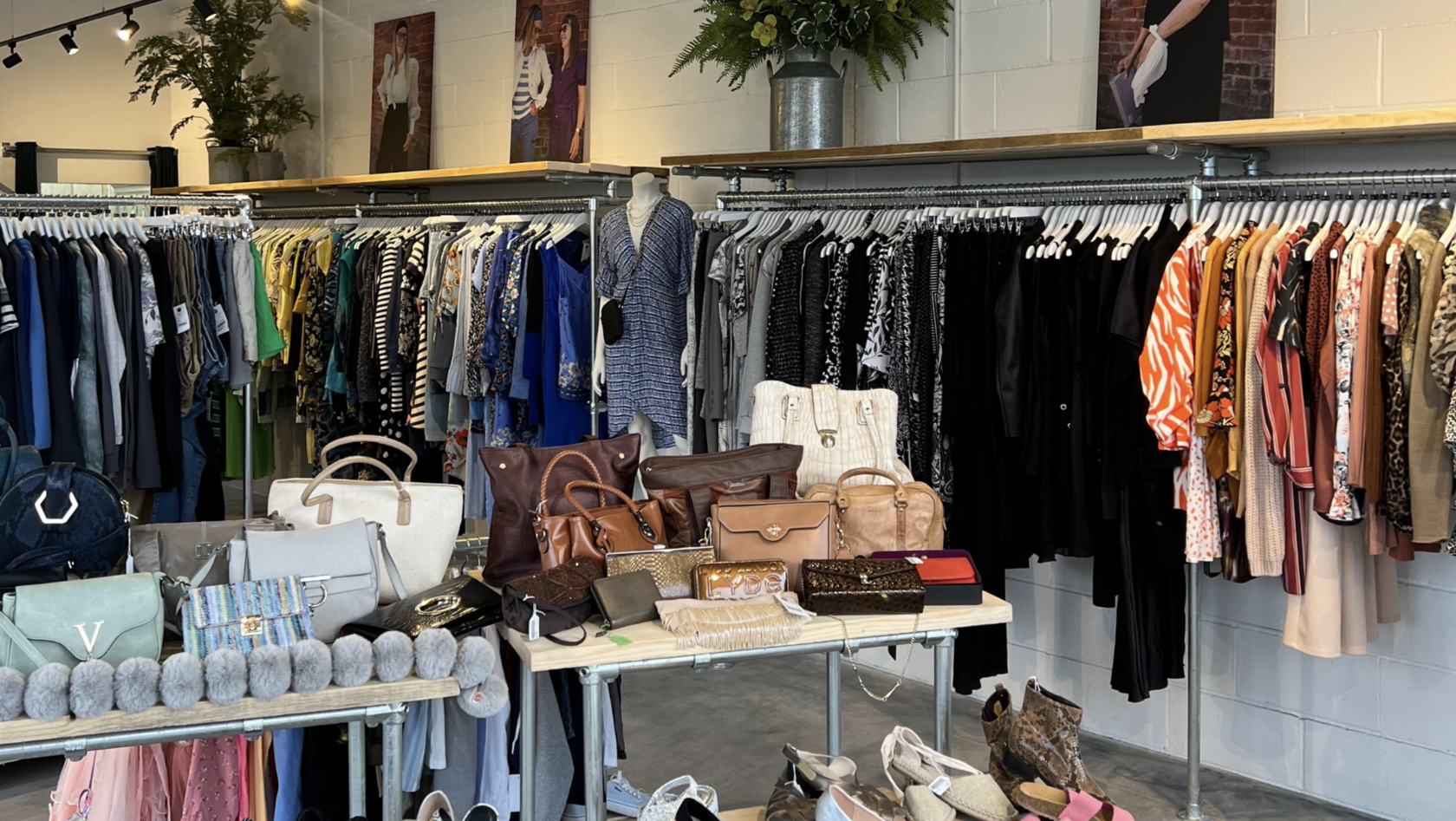
The Hidden Problem Behind “Doing the Right Thing”
Many of us believe donating clothes is one of the easiest ways to practice sustainable fashion. Clearing out a wardrobe and dropping a bag at a charity shop feels like a responsible, carbon-conscious action. After all, extending the life of clothing should reduce fashion waste, right? Unfortunately, the reality is more complicated. As global clothing consumption continues to rise, donations alone are no longer enough to solve the fashion industry's waste crisis. In fact, in some cases, they may unintentionally contribute to the problem.
When Donations Become Waste
The Overwhelming Volume of Second-Hand Clothing
The fashion industry now produces over 100 billion garments annually, largely driven by fast fashion trends (Ellen MacArthur Foundation, 2017). While donating clothes is well-intentioned, charities and second-hand retailers can only resell a small portion of what they receive. According to WRAP (Waste & Resources Action Programme), a significant percentage of donated clothing cannot be sold locally due to poor quality, damage, or oversupply.
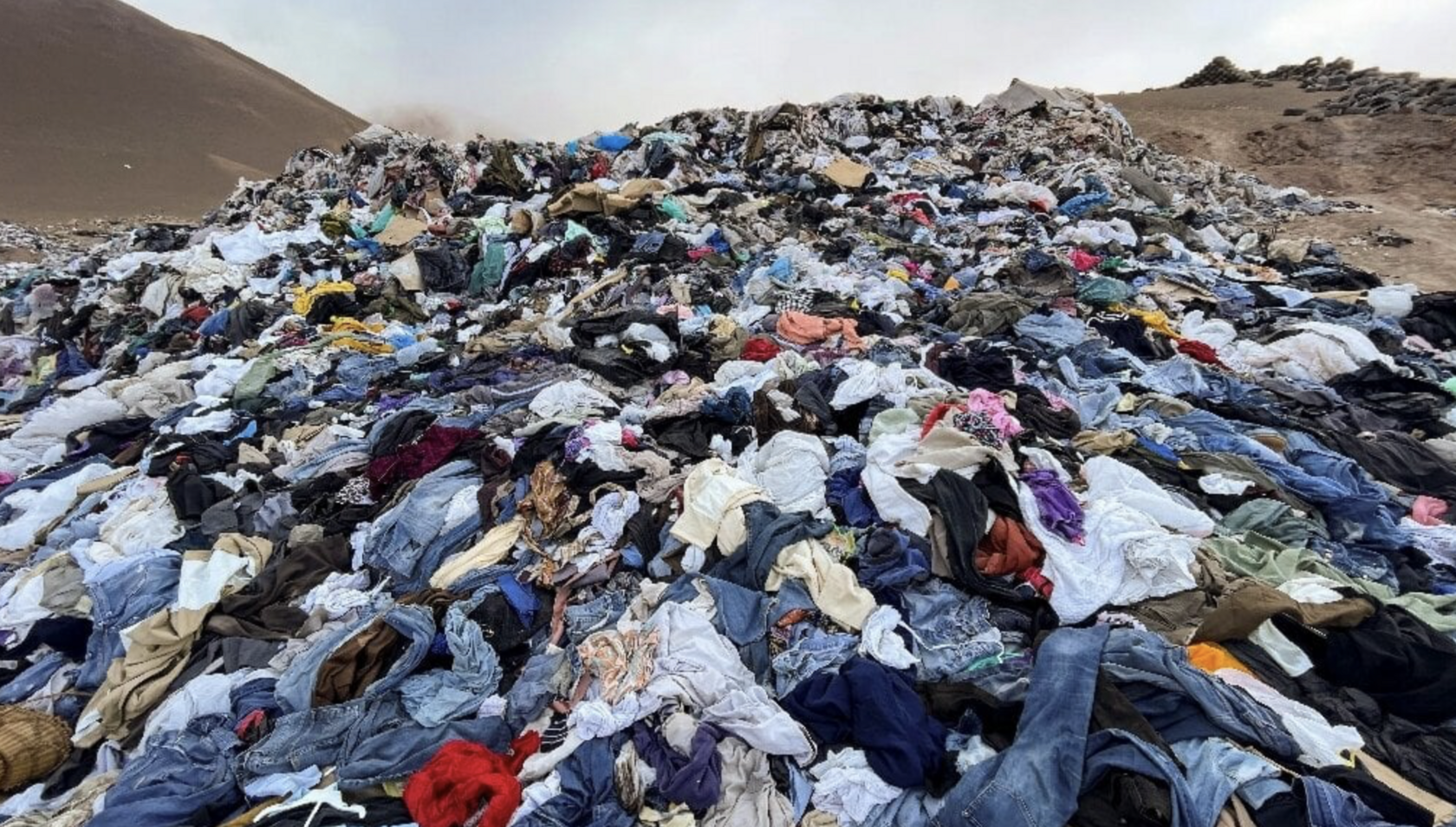
As a result, many donated garments are exported to international markets or recycled into low-value materials such as insulation or industrial rags. In some cases, excess clothing ends up in landfills or incineration facilities. This means that donating items without considering quality, durability, or future use may simply delay their journey to waste rather than preventing it.
The Global Impact of Clothing Exports
How Second-Hand Markets Affect Communities
Large volumes of donated clothing from Europe and North America are exported to countries in Africa and Asia. While these second-hand markets can provide affordable clothing and support local economies, they also create unintended consequences. Research from the United Nations Environment Programme (UNEP) highlights that overwhelming imports of used clothing can disrupt local textile industries and create waste management challenges when unsellable items accumulate.
In places such as Ghana’s Kantamanto Market—one of the largest second-hand clothing markets in the world—an estimated 40% of imported garments become waste because they cannot be sold (The OR Foundation, 2023). These discarded textiles often end up in open dumps, waterways, or informal landfill sites, contributing to environmental pollution.
Rethinking Responsibility in Fashion
From Donation to Circular Fashion
The issue isn’t that donating clothes is wrong—it’s that it should not be the only solution. A truly circular fashion system focuses on reducing production, extending garment lifespans, and prioritising responsible consumption from the beginning. This means choosing ethical fashion brands, investing in higher-quality garments, repairing clothes, and supporting second-hand platforms that actively keep clothing in circulation.
Consumers can also consider the environmental impact of fabrics. Vegan materials, recycled textiles, and responsibly sourced fibres are increasingly available in the sustainable fashion market. Making carbon-conscious purchasing decisions helps reduce demand for fast fashion and lowers the overall environmental footprint of our wardrobes.
Rethink How We Extend the Life of Clothing
Donating clothes can still be part of a sustainable wardrobe—but it works best when combined with mindful buying, longer garment use, and active participation in circular fashion systems. Before donating, consider repairing, reselling, swapping, or upcycling garments to maximise their lifespan and reduce textile waste.
At The Carbon Closet, we champion sustainable fashion, ethical fashion, and carbon-conscious wardrobes by helping consumers discover brands and solutions that prioritise circularity, transparency, and responsible production. By supporting platforms that focus on lasting impact, every shopper can play a role in reducing fashion waste and building a more sustainable future for the industry.
Visit our website for timeless, circular pieces that are made to outlast trends, and sign up to our newsletter for more tips and sustainable fashion news.
Visit our website for timeless, circular pieces that are made to outlast trends, and sign up to our newsletter for more tips and sustainable fashion news.
