Why the Future of Fashion Could Start with a Banana Plant
Leather has long been associated with luxury, durability and timeless style. However, traditional animal leather comes with significant environmental and ethical concerns, including high greenhouse gas emissions, intensive water use, chemical tanning processes and animal welfare issues. At the same time, many synthetic "vegan leather" alternatives rely heavily on virgin plastics such as polyurethane (PU) and PVC, creating another sustainability challenge.
That's why innovative bio-based materials are attracting so much attention. Among the most exciting is Banofi, an advanced plant-based leather alternative that combines cutting-edge material science with agricultural waste to create a durable, high-performance material. By transforming banana crop waste into premium biomaterials, Banofi is proving that vegan, carbon-conscious, and sustainable fashion can also deliver quality and luxury. As consumers increasingly seek products that align with their values, innovations like Banofi offer a glimpse into a future where style doesn't have to come at the planet's expense.
What Is Banofi?
Turning Agricultural Waste into Luxury Materials
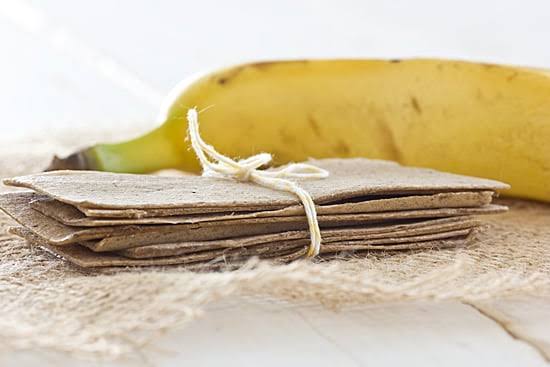
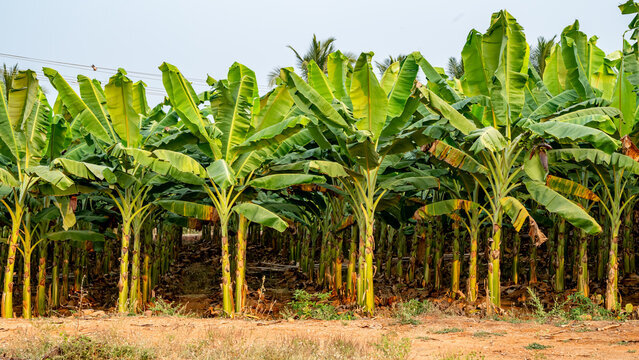
Banofi is an Indian biomaterials company developing next-generation leather alternatives using cellulose derived from banana crop waste alongside other plant-based ingredients. Rather than allowing discarded banana pseudostems—the thick stalk left behind after harvesting fruit—to become agricultural waste, Banofi transforms this underused resource into a durable leather-like material (Banofi Bio, 2026).
The company's mission extends beyond replacing animal leather. Banofi aims to create high-performance materials that reduce dependence on fossil fuel-based plastics while supporting regenerative manufacturing and circular resource use. Their latest material contains approximately 97–98% bio-based content, with only a very small PU coating currently used to enhance durability while research continues towards a fully bio-based product (Banofi Bio, 2026).
This commitment to continual innovation highlights an important point often overlooked in sustainable fashion: meaningful progress isn't about perfection overnight. Instead, it's about continually reducing environmental impact through better science and smarter material choices.
Why Is Banofi Better Than Conventional Leather?
Lower Environmental Impact Without Compromising Performance
Traditional leather production has one of fashion's largest environmental footprints. Raising livestock contributes significantly to greenhouse gas emissions, while leather tanning often requires large volumes of water and potentially hazardous chemicals.
Banofi's material addresses many of these issues through its innovative manufacturing process. According to the company's published lifecycle assessments, its biomaterial achieves:
Environmental Benefits
- Up to 97% lower carbon emissions
- Around 93–95% less water consumption
- No toxic wastewater generated during production
- Approximately 97–98% bio-based composition
- Utilises agricultural waste that would otherwise be discarded (Banofi Bio, 2026).
Unlike many conventional vegan leathers that rely heavily on petroleum-derived plastics, Banofi prioritises renewable plant fibres and cellulose. This makes it an important step towards reducing the fashion industry's dependence on fossil fuels while supporting a more circular fashion system.
Performance hasn't been sacrificed either. Banofi has been engineered to provide flexibility, durability, abrasion resistance and water resistance suitable for handbags, accessories, furniture and automotive applications, demonstrating that sustainability no longer means compromising on quality (Banofi Bio, 2026).
A New Standard for Ethical Fashion
Combining Innovation, Animal Welfare and Transparency
One of Banofi's greatest strengths is how it brings together environmental responsibility and ethical values.
Its materials are PETA-Approved Vegan, USDA Certified Biobased, REACH compliant for European chemical safety standards and compliant with California Proposition 65 requirements (Banofi Bio, 2026). These certifications help reassure both brands and consumers that sustainability claims are supported by recognised industry standards.
Because Banofi uses agricultural by-products instead of animal hides, it also removes the need for livestock-based leather production while helping farmers create additional value from existing crops. Rather than requiring extra land or resources, the material makes better use of waste that already exists.
This approach perfectly reflects the growing movement towards ethical fashion, where materials are evaluated not only for how they look, but also for how they affect animals, people and the environment throughout their entire lifecycle.
As fashion brands continue searching for scalable alternatives to both animal leather and plastic-based synthetics, innovations like Banofi demonstrate that biomaterials can successfully meet commercial demands while significantly lowering environmental impact.
Why Bio-Based Materials Matter for Every Consumer
Your Purchasing Decisions Help Shape Fashion's Future
You don't need to be a fashion designer to influence the future of materials. Every purchasing decision sends a signal to brands about the products consumers want to see.
Demand for sustainable fashion, vegan materials and carbon-conscious products has accelerated in recent years as shoppers become more aware of fashion's environmental impact. Material innovation is now one of the industry's most important tools for reducing emissions, conserving resources and moving towards a more circular economy.
Banofi represents a broader shift happening across fashion. Instead of relying on finite resources, innovators are increasingly transforming agricultural waste, food by-products and renewable natural materials into beautiful, functional textiles that rival conventional options.
While no material is completely impact-free, choosing products made with lower-impact innovations encourages further investment in research and helps sustainable alternatives become more widely available and affordable over time.
The future wardrobe may increasingly include materials made from banana fibres, mushrooms, agricultural residues, algae or other renewable resources—proof that fashion innovation is no longer limited by traditional textiles.
Supporting the Next Generation of Sustainable Fashion
The fashion industry is evolving rapidly, and material innovation will play a central role in reducing its environmental footprint. Companies like Banofi demonstrate that luxury, durability and sustainability can work together, creating products that benefit consumers without placing unnecessary strain on the planet.
As more brands embrace bio-based alternatives, consumers gain greater opportunities to choose products that reflect their values while supporting cleaner production methods, reduced waste and a more circular fashion industry.
If you're looking to discover brands embracing innovative materials like Banofi and other responsible alternatives, The Carbon Closet makes it easier to shop with confidence. As a carbon-conscious, ethical fashion and vegan platform, we connect shoppers with brands committed to creating a more sustainable fashion future—helping every purchase become part of the solution rather than the problem.
Shop from our website to discover hundreds of innovative, ethical brands similar to Banofi, and sign up to our newsletter to learn more about the brands driving the change in sustainable fashion.
Enjoyed this? Here are some more articles we think you'll love:
