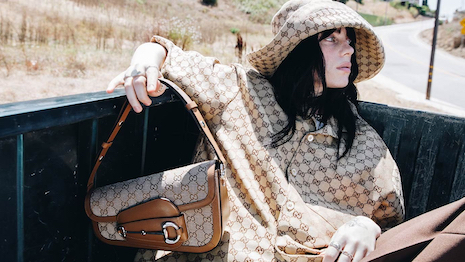
Gucci’s Bio-Leather Revolution: The Future of Sustainable Fashion
A Turning Point for Fashion
The global fashion industry is undergoing a profound transformation. As consumers become more carbon-conscious and aware of environmental impact, brands are being pushed to rethink how clothing and accessories are made. Among the most influential players leading this shift is Gucci, whose investment in bio-leather and next-generation materials signals a pivotal moment for sustainable fashion. This revolution is not just about innovation for innovation’s sake—it’s about redefining what luxury means in a world that increasingly values ethical fashion, circular fashion systems, and responsible consumption.
Rethinking Materials: What Is Bio-Leather?
A Sustainable Alternative to Traditional Leather
Bio-leather refers to materials derived from renewable, plant-based, or lab-grown sources designed to mimic the qualities of traditional leather without the environmental and ethical drawbacks. Traditional leather production is resource-intensive, often linked to deforestation, high carbon emissions, and chemical-heavy tanning processes. According to insights shared in Vogue, Gucci’s research lab is actively exploring alternatives that significantly reduce environmental harm while maintaining durability and aesthetic appeal (Vogue, 2024).
Innovation Meets Responsibility
Gucci’s approach to bio-leather includes experimenting with materials such as mycelium (fungus-based leather) and bio-fabricated textiles. These innovations aim to lower reliance on animal agriculture and toxic processing methods. The goal is clear: create vegan, sustainable fashion materials that align with modern values without compromising luxury standards.
Why It Matters: The Environmental Impact
Reducing Fashion’s Carbon Footprint
The fashion industry is responsible for approximately 10% of global carbon emissions, making it a major contributor to climate change. By investing in bio-leather, Gucci is addressing one of the most impactful areas of production—materials. Bio-based alternatives require less water, produce fewer emissions, and eliminate the need for harmful chemicals used in tanning.
This shift directly supports the rise of carbon-conscious consumerism. Every purchase decision becomes an opportunity to reduce environmental impact. Choosing products made from bio-leather contributes to a broader movement toward circular fashion, where materials are designed to be reused, recycled, or biodegraded.
Moving Toward Circular Fashion Systems
Circular fashion is about closing the loop—ensuring that products don’t end up as waste. Bio-leather plays a crucial role here. Many of these materials are biodegradable or recyclable, offering a viable solution to the growing problem of textile waste. Gucci’s research initiatives highlight a commitment to long-term sustainability rather than short-term trends (Vogue, 2024).
Ethical Fashion: Beyond Environmental Benefits
Animal Welfare and Vegan Innovation
For many consumers, ethical fashion extends beyond environmental concerns to include animal welfare. Bio-leather offers a compelling vegan alternative to traditional leather, eliminating the need for animal-derived materials. This aligns with a growing demand for cruelty-free products that do not compromise on quality or design.
Gucci’s Demetra: A Step Toward Scalable Vegan Luxury
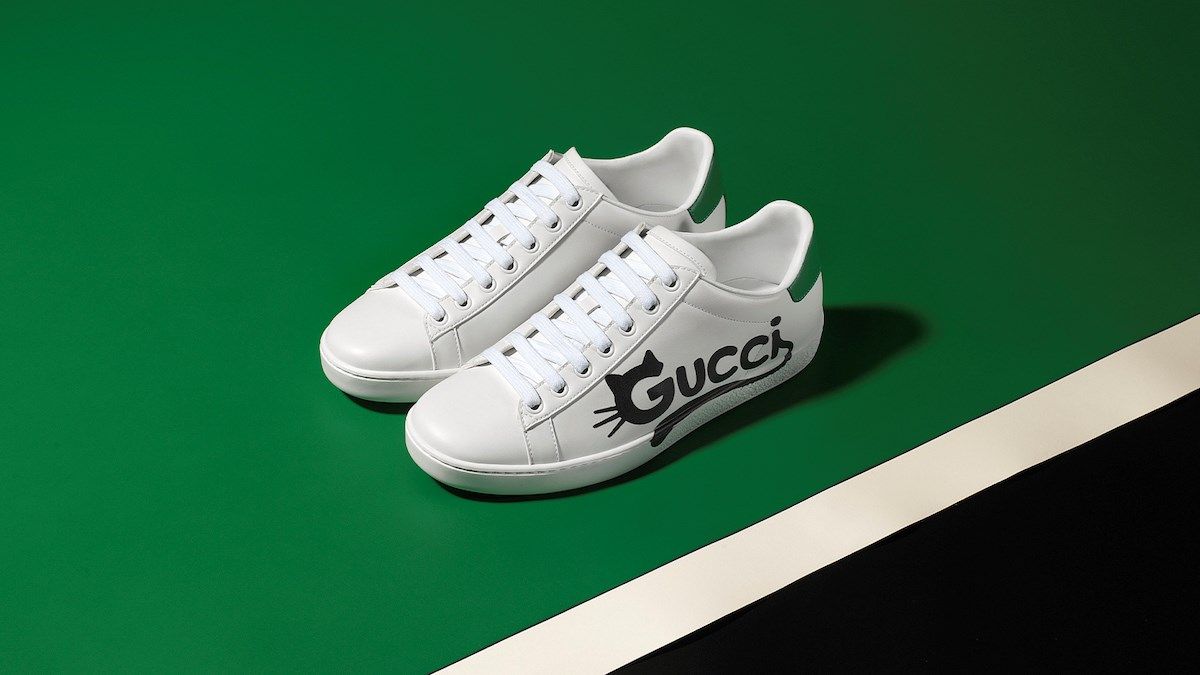
A key example of this shift is Gucci’s proprietary material, Demetra—a bio-based, vegan leather alternative developed in-house. According to Collective Fashion Justice, Demetra is composed primarily of plant-based raw materials sourced from renewable origins, alongside non-toxic components, and is manufactured within Gucci’s own Italian supply chain. This level of control allows Gucci to ensure both quality and reduced environmental impact compared to conventional leather. Importantly, Demetra demonstrates how luxury brands can scale sustainable fashion innovation while responding to growing consumer demand for ethical fashion and animal-free materials. It also highlights a broader industry transition, where bio-leather is no longer experimental but increasingly viable for mainstream, circular fashion systems (Collective Fashion Justice, 2023).
Transparency and Accountability
Modern consumers expect transparency from brands. Gucci’s openness about its research and development processes, as highlighted in both Vogue and its social media content, reflects a broader industry trend toward accountability. By showcasing how materials are developed and tested, Gucci is building trust and encouraging informed purchasing decisions.
Luxury Redefined: The New Standard
Sustainability as a Marker of Prestige
Luxury fashion has traditionally been associated with exclusivity and craftsmanship. Today, sustainability is becoming an equally important marker of prestige. Consumers are no longer impressed by aesthetics alone—they want to know the story behind the product. Is it sustainable? Is it ethically made? Does it contribute to a better future?
Gucci’s bio-leather revolution answers these questions. By integrating sustainable practices into its core operations, the brand is redefining what it means to be luxurious in the 21st century.
Consumer Influence and Industry Change
The shift toward sustainable fashion is not happening in isolation. It is driven by consumers who demand better. Every purchase sends a message to brands about what matters. Gucci’s investment in bio-leather demonstrates how major fashion houses are responding to this demand, setting new standards for the entire industry.
What This Means for You
Making Conscious Choices
You don’t need to be a designer or industry insider to be part of this revolution. As a consumer, your choices have power. Opting for products made from sustainable materials like bio-leather supports innovation and encourages more brands to follow suit.
Building a Sustainable Wardrobe
Incorporating sustainable fashion into your wardrobe doesn’t mean sacrificing style. On the contrary, it opens up new possibilities for creativity and self-expression. From vegan accessories to ethically produced garments, there are more options than ever to align your style with your values.
Be Part of the Change
The future of fashion is being shaped right now—and it’s moving toward a more sustainable, ethical, and circular model. Gucci’s bio-leather revolution is just one example of how innovation can drive meaningful change. But this transformation depends on all of us.
At The Carbon Closet, we are committed to supporting this shift by connecting you with brands and products that prioritise sustainable fashion, ethical practices, and carbon-conscious design. By choosing platforms that champion these values, you’re not just updating your wardrobe—you’re helping to redefine the fashion industry for the better.
Shop on our website for more innovative bio-leathers and sign up to our newsletter to stay up-to-date on the latest sustainable fashion news.
Shop on our website for more innovative bio-leathers and sign up to our newsletter to stay up-to-date on the latest sustainable fashion news.
Explore consciously. Choose responsibly. Wear the future.
Enjoyed this? Here are some more articles we think you'll love:
