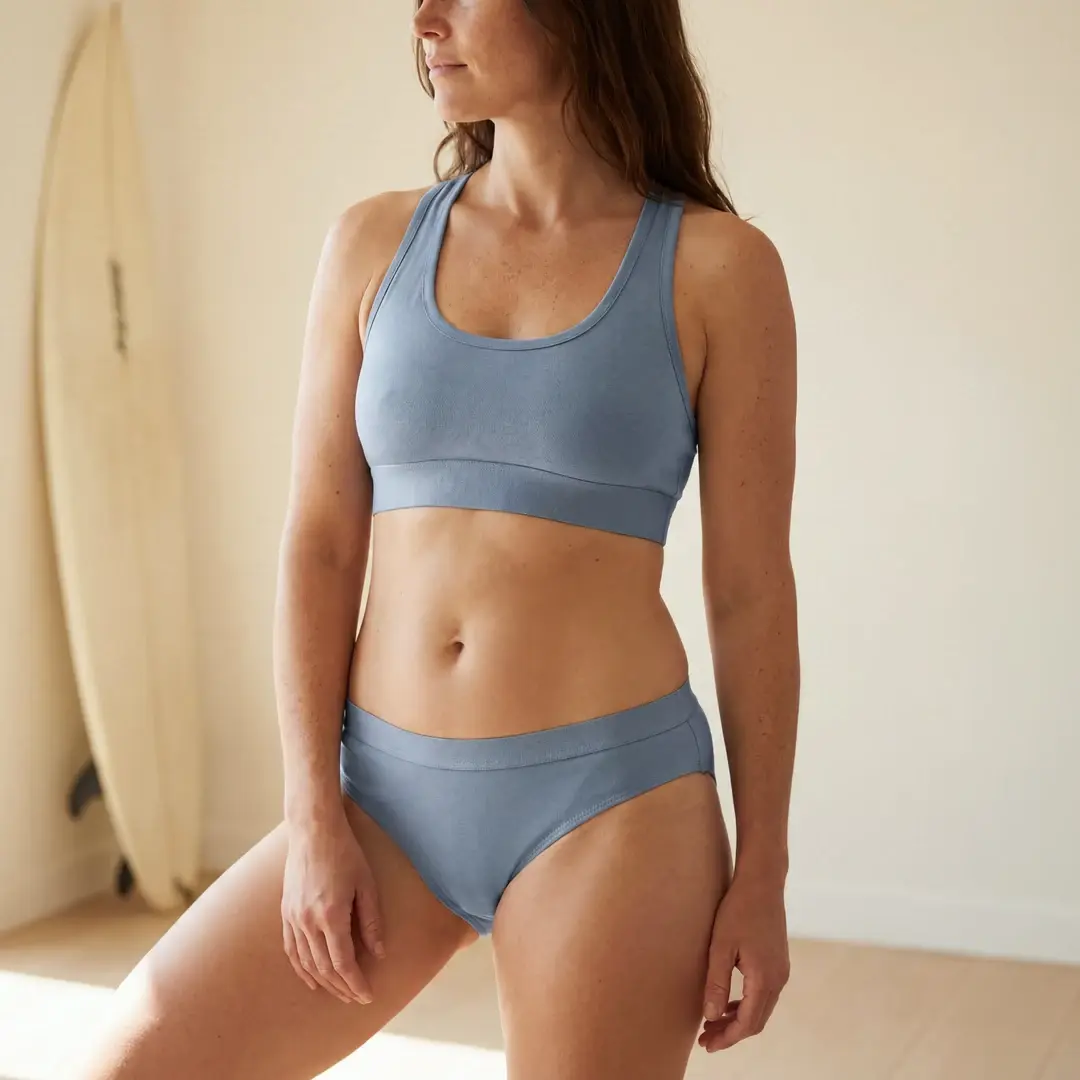
The Small Clothing Choice That Makes a Big Difference
Underwear is one of the most personal items we wear, yet many people rarely think about what it is made from. From comfort and skin health to environmental impact, the fabric you choose matters far more than you might expect. As more consumers embrace sustainable fashion, ethical fashion, and carbon-conscious lifestyles, organic cotton underwear has become an essential switch for anyone wanting to care for both their body and the planet.
Unlike conventional cotton or synthetic fabrics such as polyester and nylon, organic cotton is produced without harmful pesticides, toxic dyes, or petroleum-based materials. It offers a breathable, natural alternative that supports healthier skin, reduces environmental harm, and aligns with the values of circular fashion and responsible consumption. Whether you are already shopping sustainably or simply looking for healthier wardrobe essentials, organic cotton underwear is one of the easiest and most impactful changes you can make.
Organic Cotton Is Better for Your Skin and Overall Health
Your Most Sensitive Skin Deserves Better
The skin around intimate areas is particularly delicate, which makes fabric choice incredibly important. Conventional cotton is often treated with pesticides, bleach, formaldehyde, and synthetic finishing chemicals during production. Synthetic underwear, meanwhile, is commonly made from petroleum-derived fibres such as polyester, nylon, and elastane.
These materials can trap heat and moisture, creating an environment where irritation and discomfort thrive. According to experts in sustainable textiles and organic manufacturing, breathable organic cotton allows better airflow and reduces moisture build-up, helping wearers stay comfortable throughout the day. (Kent, 2021)
Organic cotton underwear is also naturally softer and hypoallergenic, making it ideal for people with sensitive skin, eczema, or allergies. Because it is free from harsh chemical treatments, it minimises exposure to potential irritants while still delivering comfort and durability.
Why Synthetic Fabrics Can Be Problematic
Synthetic underwear may feel stretchy and lightweight, but these materials are essentially forms of plastic. Polyester and nylon are derived from fossil fuels and are significantly less breathable than natural fibres. This can contribute to discomfort, overheating, and irritation, especially during exercise or warmer weather. (Kent, 2021)
Additionally, synthetic fabrics shed microplastics during washing, which eventually enter waterways and oceans. These tiny plastic particles are now found throughout ecosystems worldwide, contributing to pollution and environmental damage.
Organic Cotton Supports a More Sustainable Fashion Industry
Conventional Cotton Comes with a Heavy Environmental Cost
Many people assume cotton is always environmentally friendly because it is natural, but conventional cotton farming can be extremely resource-intensive. Cotton occupies only around 2.5% of the world’s cultivated land, yet it accounts for a disproportionately high percentage of global insecticide use. (Organic Without Boundaries, 2019)
Organic cotton farming avoids synthetic pesticides and fertilisers, instead relying on natural processes that protect soil quality, biodiversity, and surrounding ecosystems. Research from organisations including the Soil Association and The Organic Center shows that organic cotton can use significantly less water and produce fewer greenhouse gas emissions compared with conventional cotton production.
For environmentally conscious consumers, this makes organic cotton underwear a practical step towards lowering fashion’s environmental footprint.
A More Carbon-Conscious Choice
The fashion industry is increasingly under scrutiny for its contribution to climate change. Choosing organic cotton supports a more carbon-conscious approach to clothing because organic farming methods help maintain healthier soils that can naturally store carbon. (Organic Without Boundaries, 2019)
Unlike synthetic fabrics, which rely on fossil fuel extraction and energy-intensive manufacturing, organic cotton is renewable, biodegradable, and compatible with the principles of circular fashion. This means fewer long-term environmental impacts and less waste ending up in landfill.
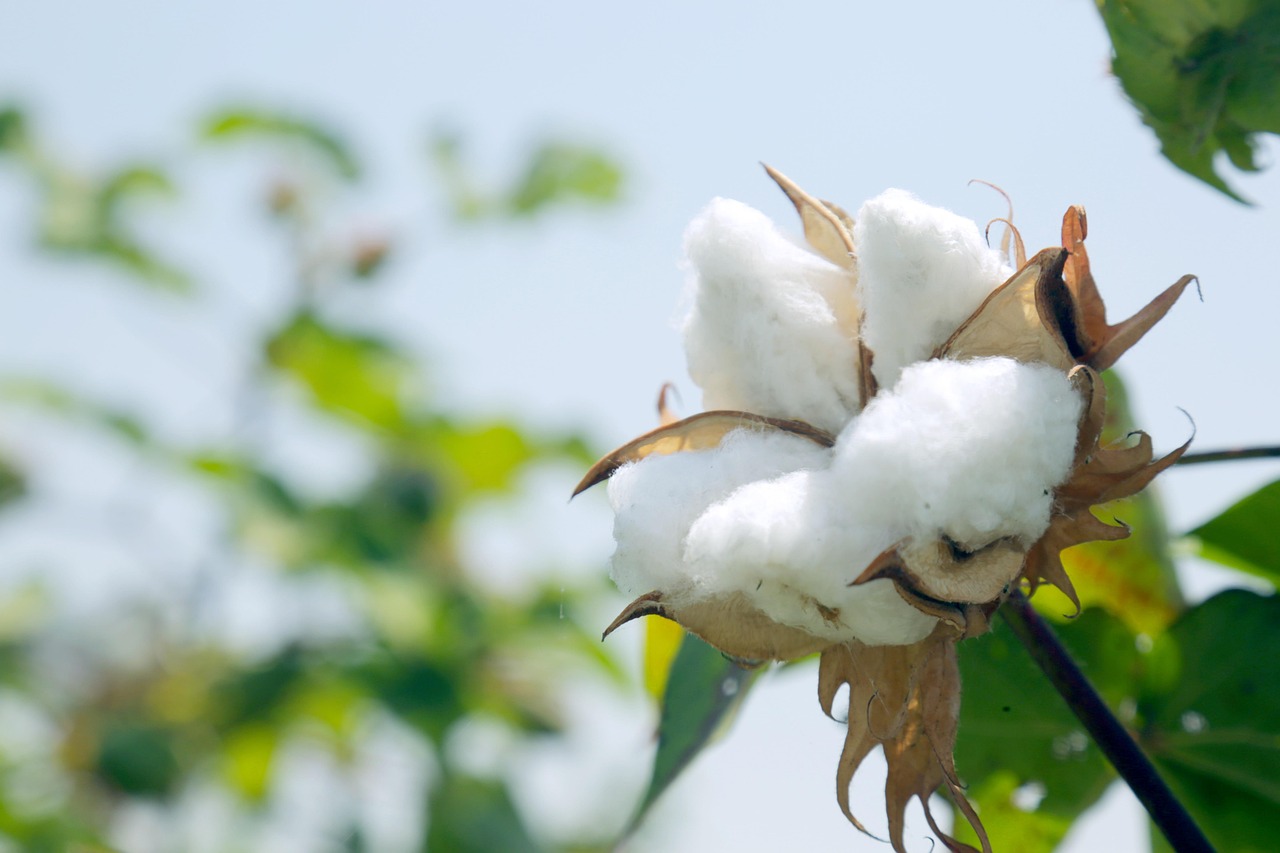
Ethical Fashion Starts with Everyday Essentials
Supporting Safer Farming and Fairer Production
When shoppers think about ethical fashion, they often focus on outerwear, footwear, or luxury brands. However, everyday basics like underwear are equally important. Conventional cotton farming has long been linked to hazardous pesticide exposure for agricultural workers and surrounding communities. (Kent, 2021)
Organic cotton farming removes many of these toxic chemicals from the process, helping create safer working conditions for farmers while also supporting healthier ecosystems. Many organic cotton brands also pursue certifications such as GOTS (Global Organic Textile Standard), which includes environmental and social criteria throughout the supply chain.
For consumers wanting their purchases to align with their values, choosing organic cotton underwear is a meaningful way to support transparency, sustainability, and worker wellbeing.
Vegan and Cruelty-Free Fashion Choices
Organic cotton underwear is also highly compatible with vegan and cruelty-free lifestyles. Because it is plant-based and free from animal-derived fibres such as silk or wool, it offers a comfortable and ethical alternative for shoppers prioritising compassionate fashion choices.
As sustainable living becomes increasingly mainstream, consumers are recognising that even small wardrobe decisions contribute to a larger movement towards responsible and ethical consumption.
Quality, Comfort, and Longevity Matter Too
Sustainable Fashion Should Feel Good
One of the biggest misconceptions about sustainable products is that they compromise on comfort or style. In reality, high-quality organic cotton underwear often feels softer and more breathable than synthetic alternatives because the fibres are less heavily processed. (Gypsy Organic, 2026)
Organic cotton also tends to age well, maintaining comfort and durability over time. Investing in longer-lasting essentials reduces the need for constant replacement, helping consumers buy less and choose better — a core principle of sustainable fashion.
The move towards mindful consumption is not about perfection. It is about making better choices where possible, and underwear is one of the simplest places to start.
Choosing Organic Cotton Is a Step Towards a Better Future
Switching to organic cotton underwear may seem like a small lifestyle change, but it reflects a much bigger shift in how we think about fashion, health, and sustainability. By avoiding synthetic materials and supporting responsibly produced natural fibres, consumers can reduce exposure to harmful chemicals, minimise environmental impact, and encourage a more ethical fashion industry.
Every purchase has power. Choosing breathable, organic, and responsibly sourced underwear supports healthier bodies, cleaner waterways, reduced pesticide use, and a more sustainable future for fashion overall.
Discover Sustainable Fashion with The Carbon Closet
At The Carbon Closet, we believe sustainable choices should feel accessible, stylish, and empowering. As a platform dedicated to sustainable fashion, ethical fashion, and carbon-conscious living, we champion brands and products that help people build wardrobes with both people and planet in mind.
Whether you are exploring organic cotton underwear or embracing a more circular fashion lifestyle, every thoughtful switch contributes to meaningful change. Shop from our website for hundred of organic cotton products and sign up to our newsletter for more tips on how to build your sustainable wardrobe.
Whether you are exploring organic cotton underwear or embracing a more circular fashion lifestyle, every thoughtful switch contributes to meaningful change. Shop from our website for hundred of organic cotton products and sign up to our newsletter for more tips on how to build your sustainable wardrobe.
Enjoyed this? Here are some more blogs we think you'll love:
Can Clothing Heal You Naturally?
Chemicals In Kids' Clothes: What Parents Should Know
The 10 Sustainable Staple Items You Need In Your Wardrobe
Can Clothing Heal You Naturally?
Chemicals In Kids' Clothes: What Parents Should Know
The 10 Sustainable Staple Items You Need In Your Wardrobe
