Why What You Wear Matters More Than Ever
For decades, fashion has largely been discussed in terms of style, trends, and identity. But today, a growing movement is asking a deeper question: can clothing actually support your wellbeing? As more people become aware of the environmental and health impacts of fast fashion, interest in non-toxic, carbon-conscious, and sustainable fashion is rapidly growing. Consumers are no longer only asking “How does this look?” — they are asking “How does this make me feel?”
This shift has brought ancient practices like Ayurvastra into modern conversations around ethical fashion, wellness, and circular fashion. Rooted in Ayurvedic traditions from India, Ayurvastra refers to textiles infused with medicinal herbs through natural dyeing processes. While research into its full therapeutic potential is still developing, the concept highlights an increasingly important idea: the fabrics we wear interact with our bodies every single day.
In a world dominated by synthetic fibres, chemically treated garments, and disposable fashion culture, understanding the relationship between clothing and health has never been more relevant.
What Is Ayurvastra?
The Ancient Indian Textile Tradition Returning to Modern Fashion
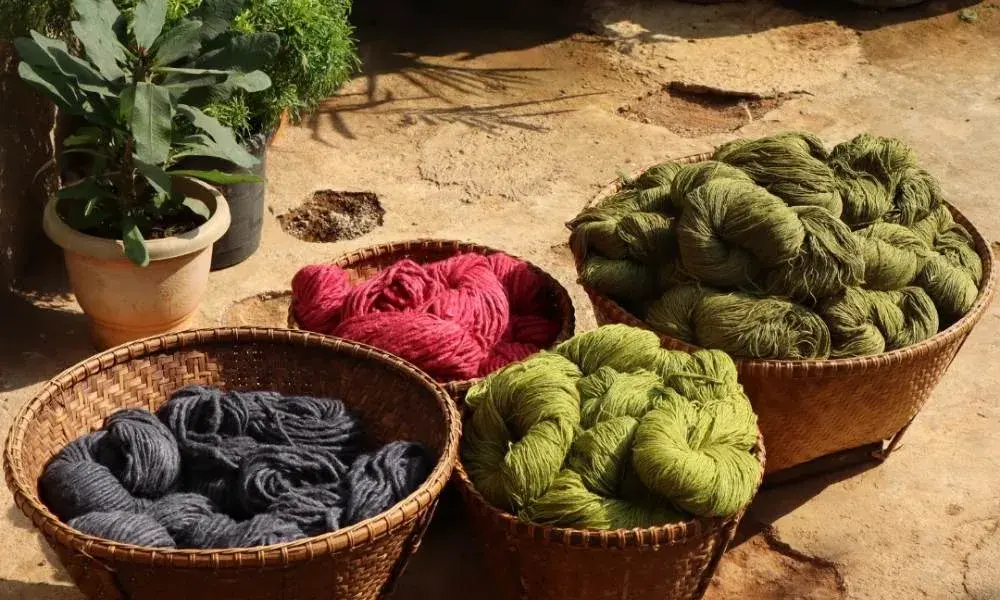
Ayurvastra combines two Sanskrit words: “Ayur,” meaning life or health, and “Vastra,” meaning cloth. Traditionally created using organic cotton, silk, or natural fibres dyed with herbal blends, Ayurvastra garments are designed to avoid synthetic chemicals while promoting holistic wellbeing.
Historically practised in parts of Kerala, India, these textiles were infused with herbs such as turmeric, neem, sandalwood, tulsi, aloe vera, and vetiver. The process aimed to create fabrics that were gentle on the skin and aligned with Ayurvedic wellness principles. (Minocheherhomji et al, 2015)
Today, Ayurvastra is gaining renewed attention among consumers seeking vegan, sustainable fashion alternatives that prioritise both personal and planetary health. Unlike conventional fast fashion, which often relies on petroleum-based polyester and chemical-heavy dyeing systems, Ayurvastra uses biodegradable materials and natural plant-based processes.
Importantly, while many traditional claims surrounding Ayurvastra are rooted in Ayurvedic practice, scientific evidence is still emerging. Studies have reported improvements in certain skin-related conditions when functional or treated textiles are used, but researchers emphasise that further investigation is required before Ayurvastra can be considered a medical treatment or therapeutic substitute. (Jaeger T, 2015)
The Hidden Impact of Synthetic Clothing
Why Polyester and Chemical Fabrics Are Under Scrutiny
Most modern clothing contains synthetic fibres such as polyester, nylon, and acrylic. Polyester alone accounts for over half of global textile production because it is cheap, durable, and easy to manufacture. However, it is also derived from fossil fuels and can release microplastics into waterways during washing.
Beyond environmental concerns, many consumers are beginning to question how synthetic fabrics affect the body itself. Tight-fitting synthetic garments can trap heat, moisture, and bacteria against the skin, potentially contributing to irritation for sensitive individuals.
Research into functional textiles has shown that specialised fabrics can influence skin barrier function, hydration, and irritation levels. For example, studies on coated therapeutic textiles for eczema and atopic dermatitis reported improvements in skin comfort and reduced symptoms in some participants. (Jaeger T, 2015)
This does not mean all synthetic clothing is harmful, nor that herbal textiles are a cure. However, it reinforces a broader truth: the materials touching our skin matter. Just as consumers carefully consider skincare ingredients, many are now paying closer attention to fabric composition, dyes, and manufacturing processes.
This awareness has helped fuel demand for ethical fashion brands focused on organic fibres, low-toxicity dyes, and sustainable fashion systems that prioritise human health alongside environmental responsibility.
Clothing, Wellness, and Emotional Connection
Fashion as Part of a Holistic Lifestyle
Clothing affects more than the skin — it can also influence mood, comfort, confidence, and emotional wellbeing. Soft natural fibres, breathable materials, and consciously made garments often create a stronger sense of physical ease and mindfulness.
In wellness-focused lifestyles, fashion is increasingly seen as an extension of self-care. Consumers exploring yoga, Ayurveda, meditation, and low-tox living are naturally gravitating toward fashion choices that align with those values. This is one reason terms such as “non-toxic clothing,” “slow fashion,” and “carbon-conscious fashion” have become significant search trends.
There is also growing psychological awareness around overconsumption. Fast fashion’s constant cycle of microtrends can create pressure to continually buy, discard, and replace clothing. Circular fashion offers an alternative approach by encouraging longevity, reuse, repair, and mindful purchasing.
Choosing fewer, higher-quality garments made with natural or responsibly sourced materials often creates a more intentional relationship with fashion itself. Instead of disposable trend pieces, clothing becomes something connected to comfort, longevity, identity, and values.
Sustainability and Healing Go Hand in Hand
Why the Future of Fashion Must Be Regenerative
The conversation around healing clothing cannot be separated from the health of the planet. The fashion industry is responsible for significant carbon emissions, water pollution, and textile waste. Conventional dyeing methods are particularly resource-intensive and can release harmful chemicals into ecosystems.
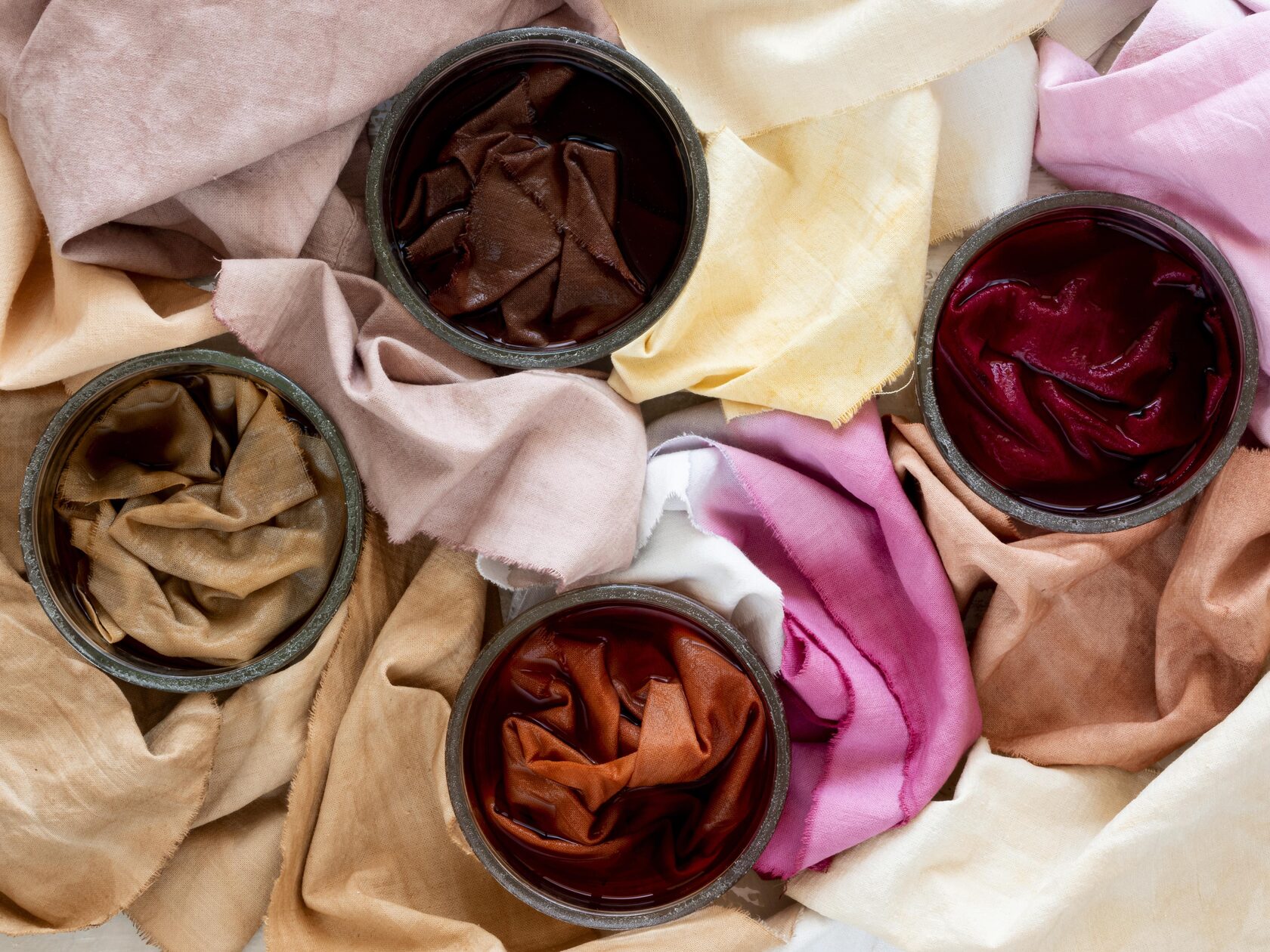
Ayurvastra and other plant-based textile traditions highlight a regenerative alternative. Natural dyes, biodegradable fibres, artisan craftsmanship, and lower-impact production methods align closely with the principles of sustainable fashion and circular design.
While no single textile can solve the environmental crisis, consumer choices collectively shape the industry. Supporting ethical fashion brands, choosing vegan and natural materials where possible, and investing in durable garments all contribute to a lower-impact wardrobe.
Importantly, sustainability is not about perfection. It is about awareness and progress. Whether someone begins by avoiding polyester, choosing organic cotton, supporting Indian handicrafts, or shopping second-hand, every conscious step matters.
The growing interest in healing textiles reflects a wider cultural shift: people want products that nourish rather than deplete — both personally and environmentally.
A New Relationship With Fashion
Dressing With Intention
The idea that clothing can “heal” may sound unconventional, but in many ways, fashion has always influenced human wellbeing. The difference today is that consumers are becoming more intentional about recognising that connection.
Scientific evidence around Ayurvastra and therapeutic textiles is still evolving, and it is important not to overstate medical claims. However, current research does support the broader idea that textiles can impact comfort, skin health, and overall wellbeing in meaningful ways. (Minocheherhomji et al, 2015)
At the same time, sustainable and ethical fashion choices can also support emotional wellbeing by encouraging slower consumption habits, reducing environmental harm, and reconnecting people with craftsmanship, culture, and mindful living.
Fashion no longer has to be purely aesthetic or disposable. It can be thoughtful, carbon-conscious, and aligned with the values people want to live by.
Discover Fashion That Feels Better
At The Carbon Closet, we believe fashion should support both people and the planet. As a sustainable fashion platform focused on circular fashion, ethical fashion, and carbon-conscious living, we help consumers discover mindful alternatives to fast fashion — from natural fibres and vegan materials to brands committed to responsible production.
Shop from our website for truly ethical fashion and sign up to our newsletter to stay informed on how to build your sustainable wardrobe.
Shop from our website for truly ethical fashion and sign up to our newsletter to stay informed on how to build your sustainable wardrobe.
Because what you wear should not only reflect your style, but also your wellbeing, your values, and the future you want to help create.
Enjoyed this? Here are some more articles we think you'll love:
Lead In Clothing: The Hidden Health Risk
Chemicals In Kids' Clothing: What Parents Should Know
What Is Organic Cotton? A Complete Guide For UK Shoppers
Lead In Clothing: The Hidden Health Risk
Chemicals In Kids' Clothing: What Parents Should Know
What Is Organic Cotton? A Complete Guide For UK Shoppers
