When Sustainability Claims Come Under Scrutiny
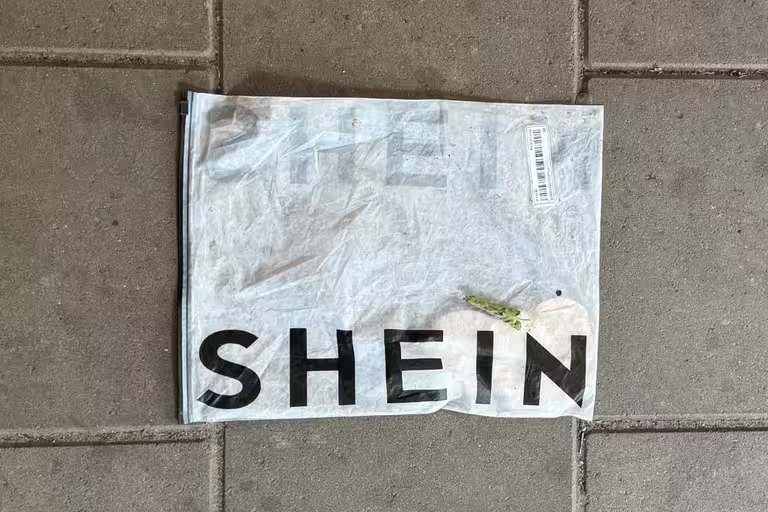
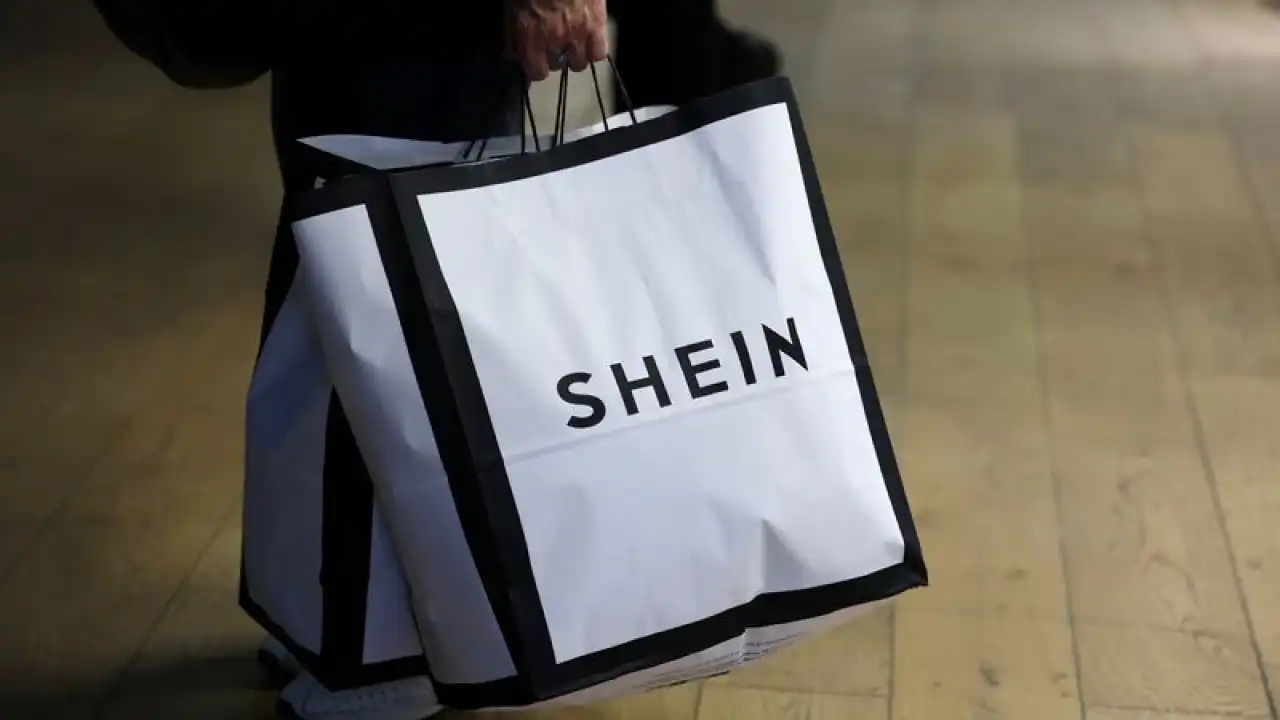
Italy's competition authority, the AGCM (Autorità Garante della Concorrenza e del Mercato), has fined fast-fashion giant Shein €1 million for what regulators described as misleading environmental claims. The ruling follows an investigation into the company's sustainability messaging, including claims related to its "evoluSHEIN" collection, recyclability, circularity, and broader environmental commitments.
The decision has attracted international attention because it highlights a growing issue within the fashion industry: greenwashing. As consumers increasingly seek sustainable fashion, ethical fashion, vegan materials, and carbon-conscious alternatives, regulators are beginning to scrutinise whether brands' environmental claims truly reflect reality.
For shoppers, this isn't simply a story about one retailer. It raises important questions about trust, transparency, and how we can make more informed choices in an increasingly complex fashion landscape.
What Did Italy's Investigation Find?
The Problem With Misleading Green Claims
According to the AGCM, several environmental messages promoted on Shein's website and marketing channels were considered vague, exaggerated, or potentially misleading. Regulators specifically challenged claims surrounding product recyclability, circular design systems, and sustainability-focused collections.
The authority found that some marketing statements could lead consumers to believe products were more environmentally friendly than they actually were. It also questioned how sustainability commitments were communicated, arguing that some claims lacked sufficient evidence or context.
In a statement announcing the fine, the AGCM said that environmental claims published through sections such as "#SHEINTHEKNOW," "evoluSHEIN," and "Social Responsibility" were, in some cases, "vague, generic and/or overly emphatic," while others were considered misleading or incomplete.
This case reflects a wider shift across Europe, where regulators are increasingly cracking down on greenwashing and demanding greater accountability from companies making environmental promises.
Why Fast Fashion Faces Growing Environmental Criticism
The Impact Beyond the Price Tag
Fast fashion has transformed the way people shop by making clothing more affordable and accessible. However, environmental experts have long raised concerns about the industry's wider impact.
The fashion sector is associated with significant carbon emissions, water consumption, textile waste, and synthetic fibre pollution. One of the biggest concerns is the release of microplastics, tiny plastic particles shed from synthetic fabrics such as polyester, nylon, and acrylic. These particles can enter waterways during washing and eventually make their way into oceans, ecosystems, and even the food chain.
While the AGCM's fine focused on environmental marketing claims rather than microplastic production specifically, the case has reignited discussions about the environmental footprint of ultra-fast fashion business models.
Consumers are increasingly recognising that sustainability involves more than a single eco-friendly collection or marketing campaign. It requires meaningful action across sourcing, production, transportation, durability, recycling, and end-of-life garment management.
Why This Matters to Every Customer
Trust Is Becoming a Sustainability Currency
Today's consumers are more informed than ever. Many actively search for sustainable fashion, ethical fashion brands, vegan clothing, recycled materials, and carbon-conscious products before making purchases.
When sustainability claims are unclear or exaggerated, consumers lose the ability to make informed decisions. People who genuinely want to reduce their environmental impact may unknowingly support practices that don't align with their values.
This is why transparency has become one of the most important principles in modern retail. Customers increasingly expect brands to provide measurable evidence for environmental claims, disclose supply chain information, and clearly explain the real impact of their products.
The Shein case demonstrates that regulators are beginning to hold companies accountable for the accuracy of their sustainability messaging. For consumers, this represents a positive step towards a more transparent marketplace where environmental claims must be supported by facts rather than marketing language alone.
The Rise of Circular Fashion and Conscious Consumption
A Different Approach to Style
As awareness of fashion's environmental impact grows, many consumers are embracing circular fashion models. Circular fashion focuses on extending the life of clothing through resale, repair, rental, reuse, and responsible recycling.
Unlike the traditional "buy, wear, discard" model, circular fashion aims to reduce waste while maximising the value of existing garments. It encourages consumers to view clothing as a long-term investment rather than a disposable purchase.
This shift is helping drive demand for second-hand fashion, pre-loved luxury items, ethical fashion brands, and sustainable wardrobe choices. It also encourages shoppers to consider quality, longevity, and versatility before making a purchase.
Importantly, circular fashion doesn't mean sacrificing personal style. Instead, it empowers consumers to make choices that are better for both their wardrobes and the planet.
A Turning Point for Fashion Accountability
Sustainability Must Be More Than Marketing
The €1 million fine issued by Italian regulators sends a clear message to the fashion industry: sustainability claims must be accurate, verifiable, and transparent.
As governments introduce stricter rules around environmental marketing, businesses will face increasing pressure to back up their promises with measurable actions. At the same time, consumers are becoming more discerning and demanding greater honesty from the brands they support.
This moment represents more than a regulatory action against one company. It reflects a broader movement towards accountability, transparency, and genuinely sustainable business practices across the fashion sector.
Looking Ahead
Consumers have more influence than ever before. Every purchase sends a signal about the kind of fashion industry we want to support. By choosing quality over quantity, embracing circular fashion, and seeking out brands that prioritise transparency, shoppers can help drive meaningful change.
At The Carbon Closet, we believe fashion can be both stylish and responsible. As a sustainable fashion platform dedicated to circular fashion, conscious consumption, and reducing fashion waste, we help consumers discover better alternatives that align with their values. Together, we can support a future where ethical fashion, carbon-conscious choices, and genuine sustainability become the standard rather than the exception.
Shop our website for only the most ethical fashion products and sign up to our newsletter to receive more top sustainable fashion stories.
Enjoyed this? Here are some more articles we think you'll love:
Shop our website for only the most ethical fashion products and sign up to our newsletter to receive more top sustainable fashion stories.
Enjoyed this? Here are some more articles we think you'll love:
