
Why the Diamond Debate Matters More Than Ever
Diamonds have long symbolised love, commitment and luxury, but modern consumers are asking deeper questions about where their jewellery comes from and what impact it has on the planet. As interest in ethical fashion, sustainable fashion and carbon-conscious shopping continues to grow, the conversation around natural versus lab-grown diamonds has become increasingly relevant.
For many shoppers, buying a diamond is no longer just about appearance or tradition. It is also about transparency, environmental responsibility and aligning purchases with personal values. Whether you are shopping for an engagement ring, a timeless gift or a personal investment piece, understanding the difference between mined and lab-grown diamonds can help you make a more informed and responsible choice.
What Is the Difference Between Natural and Lab-Grown Diamonds?
The Science Behind the Sparkle
Natural diamonds are formed deep beneath the Earth’s surface over billions of years through intense heat and pressure. They are then extracted through mining processes, often involving significant land excavation and energy use.
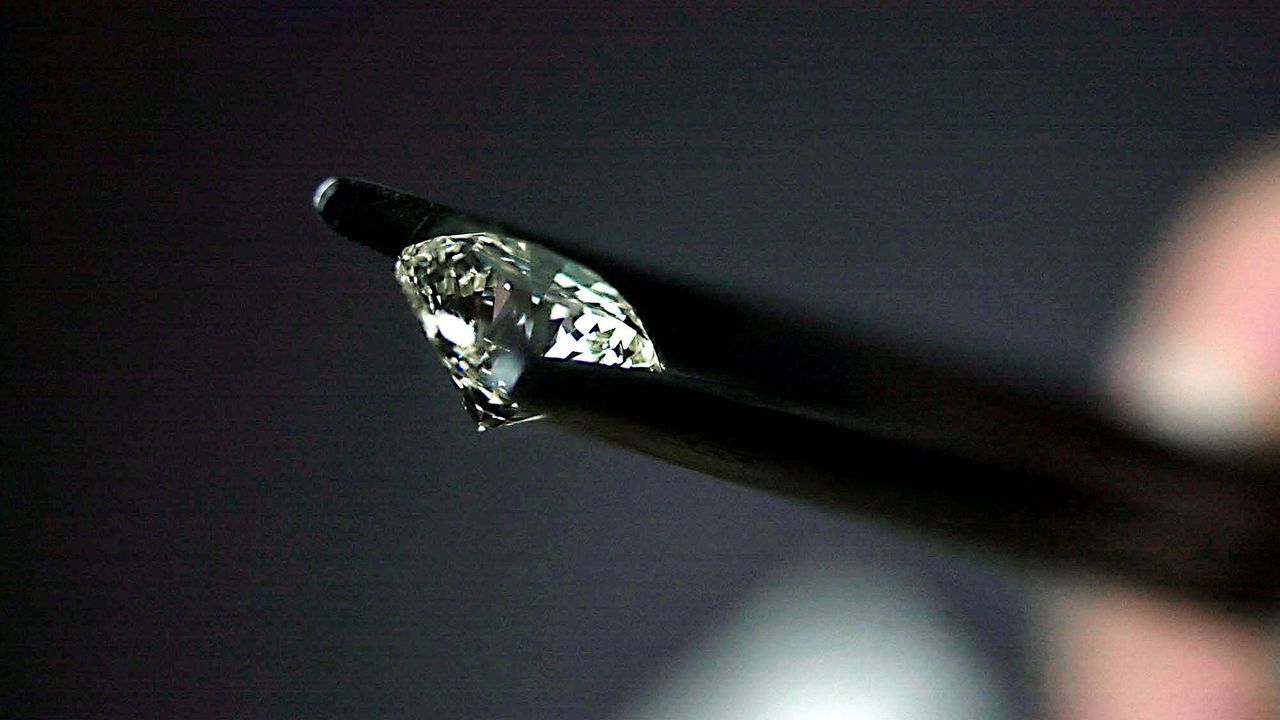
Lab-grown diamonds, on the other hand, are created in controlled laboratory environments using advanced technology that replicates the natural diamond-growing process. Importantly, lab-grown diamonds are not “fake” diamonds. They are chemically, physically and visually identical to natural diamonds. Even trained jewellers often require specialist equipment to distinguish between the two. The Gemological Institute of America (GIA) also recognises lab-grown diamonds as real diamonds. (Lab Grown Central, 2025)
This distinction matters because one of the biggest myths surrounding lab-grown diamonds is that they are imitation stones like cubic zirconia or moissanite. In reality, they possess the same hardness, brilliance and durability as mined diamonds.
Why Lab-Grown Diamonds Are Better for the Environment
A More Sustainable Alternative
One of the strongest arguments in favour of lab-grown diamonds is their lower environmental impact. Traditional diamond mining can require moving vast amounts of earth, consuming large quantities of water and contributing to habitat destruction. Studies suggest that mining one carat of diamond can involve moving approximately 250 tons of earth. (Lab Grown Central, 2025)
Lab-grown diamonds generally require significantly less land disruption and water usage. According to research from environmental organisations and industry lifecycle assessments, lab-grown diamonds can produce up to 80–97% fewer carbon emissions when manufactured using renewable energy sources. (Here, 2025)
For consumers embracing circular fashion, vegan lifestyles and more environmentally responsible shopping habits, this reduction in environmental strain is highly appealing. Unlike mining operations, laboratory production does not involve large-scale excavation, deforestation or ecosystem displacement.
That said, sustainability is not entirely black and white. Experts note that the environmental footprint of lab-grown diamonds depends heavily on how the production facilities are powered. Laboratories using renewable energy offer the most environmentally friendly outcomes, while facilities relying heavily on fossil fuels may have a higher carbon footprint. (Vogue, 2021)
Transparency therefore remains essential when shopping for any diamond.
Debunking Common Myths About Lab-Grown Diamonds
Separating Fact From Marketing Fiction
As lab-grown diamonds continue to gain popularity, misinformation has grown alongside them. Many myths are rooted in outdated perceptions or marketing campaigns designed to preserve the prestige of mined stones.
Myth 1: Lab-Grown Diamonds Are Fake
This is false. Lab-grown diamonds are real diamonds made from carbon with the same optical and chemical properties as mined diamonds. (Lab Grown Central, 2025)
Myth 2: They Do Not Last as Long
Lab-grown diamonds are just as durable as natural diamonds, ranking 10 on the Mohs hardness scale. They are designed to last a lifetime and beyond.
Myth 3: They Are Less Luxurious
Luxury today is evolving. Modern consumers increasingly associate luxury with sustainability, ethics and innovation rather than rarity alone. Many younger buyers are prioritising responsible sourcing over traditional status symbols. (The Times, 2025)
Myth 4: Lab-Grown Diamonds Are Always Perfectly Sustainable
While lab-grown diamonds are generally more environmentally friendly, not all producers operate equally responsibly. Buyers should look for brands that prioritise renewable energy, transparent sourcing and ethical labour standards. (Vogue, 2021)
Ultimately, informed consumers should view sustainability as a spectrum rather than a simple label.
Ethical Fashion and the Rise of Conscious Jewellery
Why Consumer Values Are Changing
The rise of lab-grown diamonds reflects a much wider shift in consumer behaviour. Today’s shoppers are increasingly seeking products that align with values like sustainability, fair labour practices and environmental accountability.
This mirrors broader movements in ethical fashion and sustainable fashion, where consumers are reconsidering fast fashion, embracing resale markets and supporting carbon-conscious brands. Jewellery is now part of that conversation.
For many buyers, lab-grown diamonds represent an opportunity to enjoy luxury while reducing environmental harm and avoiding some of the ethical concerns historically associated with mining practices. While the diamond industry has made improvements through initiatives such as the Kimberley Process, concerns around land disruption, water pollution and labour conditions still influence consumer decisions. (Vogue, 2019)
At the same time, affordability also plays a role. Lab-grown diamonds are often significantly less expensive than mined diamonds of comparable size and quality, making fine jewellery more accessible without compromising on beauty or durability.
This combination of affordability, ethics and sustainability is helping lab-grown diamonds reshape the future of modern jewellery.
Choosing the Right Diamond for You
Making an Informed and Responsible Decision
There is no single “correct” choice when comparing natural and lab-grown diamonds. Both options carry emotional meaning and personal significance. However, consumers today have more information and more power than ever before to choose products that reflect their values.
If rarity, geological history and traditional prestige are important to you, a natural diamond may still hold strong appeal. But if sustainability, affordability and lower environmental impact are priorities, lab-grown diamonds offer a compelling and increasingly mainstream alternative.
The most important factor is transparency. Ask questions about sourcing, energy use and certification before making any purchase. Responsible shopping is not about perfection — it is about making informed choices that contribute to a more ethical and sustainable future.
A More Sustainable Future Starts With Conscious Choices
As the worlds of jewellery, fashion and sustainability continue to evolve, consumers are redefining what luxury truly means. Choosing products that align with your values — whether through ethical sourcing, reduced environmental impact or support for circular systems — is becoming an increasingly important part of modern shopping.
At The Carbon Closet, we believe fashion and luxury should work in harmony with the planet. As a platform championing sustainable fashion, circular fashion and more carbon-conscious consumer choices, we encourage shoppers to explore alternatives that prioritise both style and responsibility. By making thoughtful decisions today, we can all help shape a more ethical future for fashion and jewellery alike.
Shop from our website for ethically sourced gemstones and conscious jewellery and sign up to our newsletter to stay informed on the top sustainable fashion news.
Enjoyed this? Here are some more articles we think you'll love:
The Carbon Closet Edit: Our Top 10 Responsible Brands For 2026
A Greener Way To Shine: How To Pick Ethical Jewellery And Gemstones
5 Myths About Sustainability Debunked!
The Carbon Closet Edit: Our Top 10 Responsible Brands For 2026
A Greener Way To Shine: How To Pick Ethical Jewellery And Gemstones
5 Myths About Sustainability Debunked!
