The Truth Behind “Vegan” Leather: Why Plastic Alternatives Are Misleading
Understanding What We’re Really Buying
In recent years, “vegan leather” has become a buzzword in sustainable fashion, marketed as a guilt-free alternative to animal-derived materials. For many consumers trying to make more ethical fashion choices, the label suggests a product that is both cruelty-free and environmentally responsible. But the reality is more complicated. Much of what is sold as vegan leather is, in fact, made from plastic-based materials like polyurethane (PU) and polyvinyl chloride (PVC)—raising serious concerns about sustainability, waste, and long-term environmental harm.
This topic matters because every purchase decision contributes to the broader fashion ecosystem. As consumers become more carbon-conscious, understanding what lies behind marketing terms like “vegan” is essential for making informed, responsible choices.
What Is “Vegan Leather” Actually Made Of?
The Plastic Problem Behind the Label
Most widely available vegan leather products are made from synthetic polymers derived from fossil fuels. PU and PVC are the most common, both of which are forms of plastic. While these materials avoid animal use, they introduce a different environmental burden.
PVC production, in particular, involves toxic chemicals and releases harmful pollutants during manufacturing and disposal. PU, while slightly less hazardous, still relies on petroleum-based inputs and is not biodegradable. According to Forbes, the fashion industry faces a “leather misinformation problem,” where “vegan” is often incorrectly equated with sustainability, despite these materials being fundamentally plastic-based (Roberts-Islam, 2022).
This creates a paradox: consumers aiming to support ethical fashion may inadvertently contribute to plastic pollution and carbon emissions.
Why Plastic-Based Vegan Leather Isn’t Sustainable
Environmental Impact Across the Lifecycle
From production to disposal, plastic vegan leather has significant environmental drawbacks. Manufacturing these materials requires fossil fuels, contributing to greenhouse gas emissions and climate change. Additionally, the chemical processes involved can contaminate water and soil ecosystems.
At the end of its life, synthetic leather poses another challenge. Unlike natural materials, it does not biodegrade. Instead, it breaks down into microplastics, which persist in the environment for hundreds of years. These microplastics enter waterways, harm wildlife, and even make their way into the human food chain.
A Guardian article highlights this issue, warning that the rise of faux leather is “creating a material monster,” as billions of plastic-based garments accumulate in landfills (2023). This directly contradicts the principles of circular fashion, which aim to keep materials in use and out of waste streams.
The Misleading Nature of “Vegan” Marketing
Ethics vs. Environmental Responsibility
The term “vegan leather” is powerful because it appeals to ethical values. However, it often lacks transparency. While it accurately indicates the absence of animal products, it says nothing about environmental impact.
This creates a misleading narrative. Consumers may assume they are making a sustainable fashion choice, when in reality they are purchasing a product with a heavy carbon footprint and poor end-of-life outcomes. As highlighted by Forbes, “vegan doesn’t mean sustainable,” and conflating the two can undermine genuine progress in the industry (Roberts-Islam, 2022).
True ethical fashion must consider both animal welfare and environmental sustainability. Ignoring one in favor of the other leads to incomplete solutions.
Are There Better Alternatives?
The Rise of Bio-Based Leather Innovations
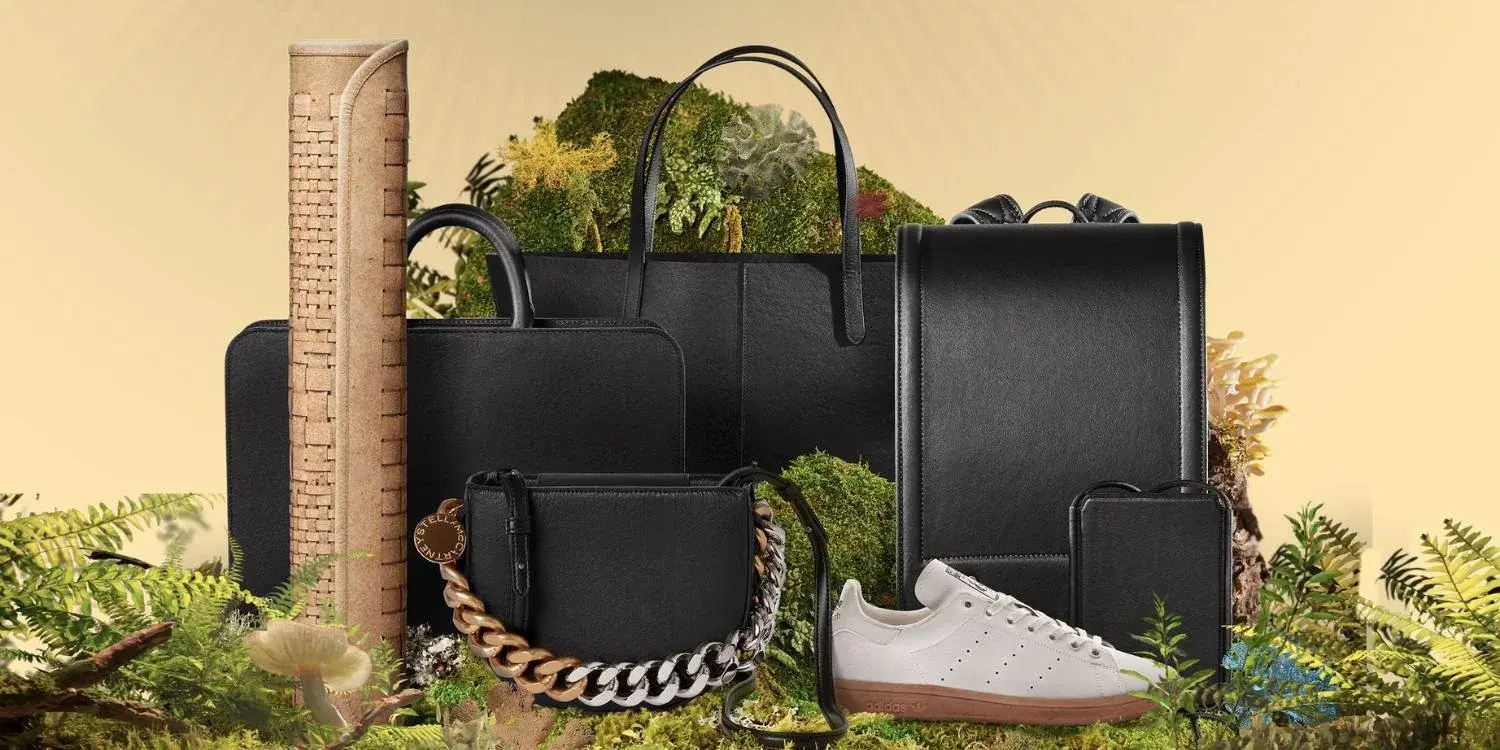
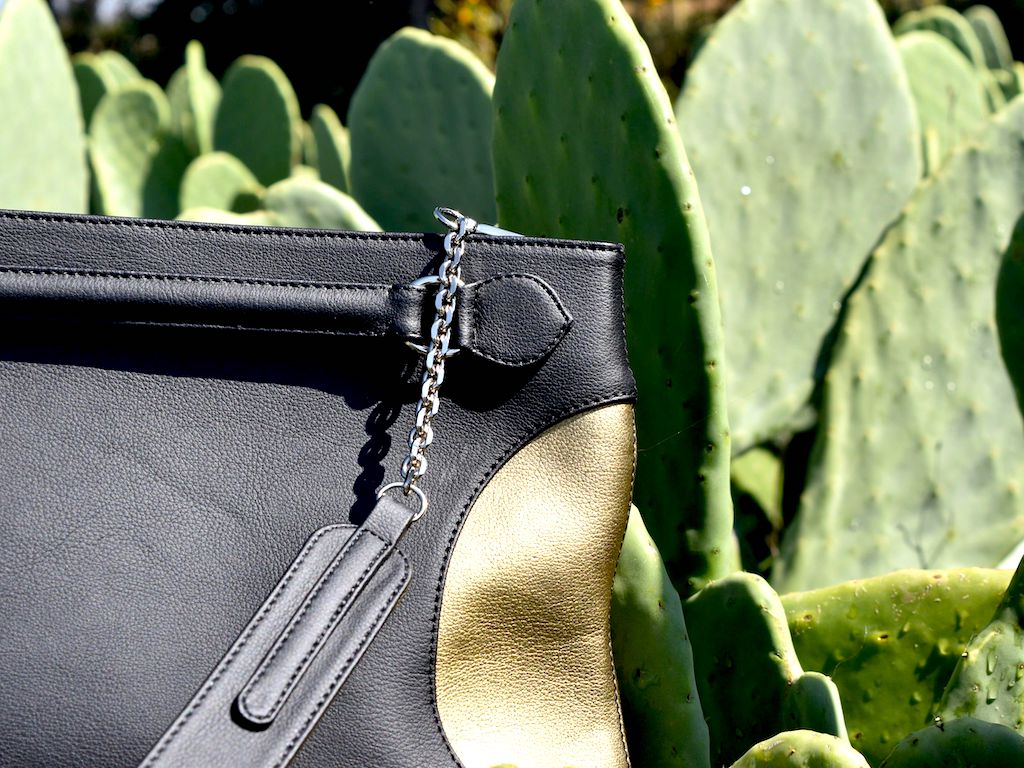
Not all vegan leather is created equal. In response to growing concerns, innovators are developing bio-based alternatives made from natural materials such as mycelium (mushroom roots), pineapple leaves, apple waste, and cactus fibers. These materials aim to reduce reliance on fossil fuels, lower environmental impact, and support the transition toward circular fashion.
The Carbon Closet’s vegan leather blog series explores these materials in depth, comparing their unique properties, benefits, and potential within the sustainable fashion landscape. By highlighting these innovations, the series showcases how bio-leathers are paving the way for a more carbon-conscious and ethical fashion future—offering consumers informed, forward-thinking alternatives to traditional materials.
The Carbon Closet’s vegan leather blog series explores these materials in depth, comparing their unique properties, benefits, and potential within the sustainable fashion landscape. By highlighting these innovations, the series showcases how bio-leathers are paving the way for a more carbon-conscious and ethical fashion future—offering consumers informed, forward-thinking alternatives to traditional materials.
What matters is transparency—understanding how a material is made, how long it lasts, and what happens when it is discarded.
Why This Matters for Every Consumer
Making Informed, Carbon-Conscious Choices
Fashion is one of the most resource-intensive industries in the world, and individual choices collectively shape its future. By questioning labels like “vegan leather,” consumers can push brands toward greater accountability and innovation.
Being carbon-conscious means looking beyond marketing claims and considering the full lifecycle of a product. It involves asking critical questions:
- What is this material made from?
- How was it produced?
- Can it be recycled or biodegraded?
These questions empower consumers to align their purchases with their values, supporting brands that prioritize genuine sustainability over greenwashing.
Moving Toward Truly Sustainable Fashion
A Call for Transparency and Progress
The conversation around vegan leather highlights a broader issue within the fashion industry: the need for honest communication and systemic change. Labels alone are not enough. What’s needed is a shift toward materials and practices that support circular fashion, reduce waste, and minimize environmental impact.
Consumers play a crucial role in this transformation. By demanding better and choosing wisely, they can drive innovation and encourage brands to adopt more sustainable practices.
Take the Next Step Toward Conscious Fashion
If you’re looking to navigate the complexities of sustainable fashion, The Carbon Closet is here to help. As a platform dedicated to carbon-conscious, ethical fashion, we provide insights into materials, innovations, and brands that are genuinely working toward a more sustainable future. Our website is home to many bio-leather products, helping you to build a truly sustainable wardrobe. Sign up to our newsletter to receive more top ethical fashion news stories.
Explore, learn, and take action—because every decision you make has the power to shape a more sustainable fashion industry.
Enjoyed this? Here are some more blogs we think you'll love:
