Unsafe Levels of Lead in Clothing: Why Every Consumer Should Be Paying Attention
The Hidden Health Risk Hanging in Our Wardrobes
For years, conversations around toxic chemicals in fashion have focused on synthetic fabrics, microplastics, or harmful dyes. But recent reports have brought a far more alarming issue into the spotlight: unsafe levels of lead in clothing. While many consumers associate lead exposure with old paint, pipes, or contaminated water, emerging research suggests that some modern garments — particularly fast fashion items — may also contain dangerous levels of this toxic heavy metal.
Recent findings presented at the American Chemical Society’s Spring 2026 meeting revealed that every children’s shirt tested in one study exceeded U.S. federal safety limits for lead. Researchers found especially high concentrations in brightly coloured garments such as reds and yellows, where lead compounds may be used to help dyes bond to fabrics and maintain vibrant colour. (ScienceDaily, 2026)
This issue matters to every customer, not just parents. Lead exposure affects children most severely, but adults are not immune to its health risks. As consumers increasingly embrace sustainable fashion, ethical fashion, circular fashion, and carbon-conscious shopping habits, understanding what our clothes are made from has never been more important.
Why Lead in Clothing Is So Dangerous
Lead Exposure Is Harmful at Any Level
Medical experts have consistently warned that there is no safe level of lead exposure. According to the Mayo Clinic, even small amounts of lead can cause serious health problems, especially in children whose brains and nervous systems are still developing.
Symptoms of lead exposure may include:
- Developmental delays
- Learning difficulties
- Behavioural changes
- Fatigue and headaches
- Memory and concentration issues
- Nervous system damage
For children under six, the risks are especially heartbreaking. Young children naturally chew on sleeves, collars, blankets, and soft fabrics as part of self-soothing behaviour. Researchers involved in the 2026 study simulated what happens when children mouth or chew on clothing and found that lead exposure from fabric could exceed recommended daily intake limits. (Independent, 2026)
For many parents, the idea that a child could be exposed to harmful toxins simply by chewing on a favourite shirt is deeply unsettling.
This Is Not Just a Children’s Clothing Problem
Adults Are Also Exposed Through Everyday Wear
Although children are more vulnerable, unsafe lead levels in clothing are not limited to kidswear. Lead has also been detected in adult garments, accessories, and textile components such as zippers, buttons, screen prints, and synthetic dyes. (ScienceDaily, 2026)
Many adults wear clothing for long hours every day, often during exercise, sleep, or hot weather when skin absorption and prolonged contact increase. While research on dermal absorption is still developing, repeated exposure through handling contaminated textiles remains a concern.
Consumers should also remember that washing contaminated garments may not fully remove lead. Researchers are currently investigating whether lead residues can spread through washing machines and transfer to other clothing during laundering.(Independent, 2026)
This means the issue potentially affects entire households, not just the individual wearing the garment.

The Fast Fashion Connection
Why Cheap Clothing Often Comes With Hidden Costs
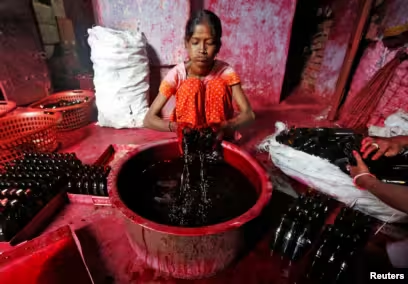
The rise of ultra-fast fashion has transformed the global clothing industry. Cheap production, rapid trend cycles, and mass manufacturing have allowed brands to produce enormous quantities of low-cost garments at unprecedented speed. Unfortunately, speed and low prices can sometimes come at the expense of safety and quality control.
Researchers suggest that some manufacturers may use lead acetate and other toxic compounds because they are inexpensive and effective at locking bright dyes into fabrics. (ScienceDaily, 2026)
Bright colours such as neon pinks, vivid reds, yellows, and oranges appear particularly concerning. These shades often require more intensive chemical processing to maintain colour vibrancy after repeated washing.
This is one reason why ethical fashion advocates have long argued for greater transparency within supply chains. Sustainable fashion is not only about reducing waste or carbon emissions — it is also about protecting human health.
When garments are produced under intense cost pressures with limited oversight, toxic substances can slip through the cracks.
Why Consumers Should Care Beyond Personal Health
The Wider Environmental Impact of Toxic Textiles
Although the health risks are the primary concern, lead contamination in clothing also raises environmental questions. During manufacturing and laundering, toxic chemicals can enter waterways, soil systems, and ecosystems.
Researchers are now studying whether lead residues from clothing can accumulate in wastewater after garments are washed. This matters because wastewater treatment systems are not always designed to fully remove heavy metals.
Fast fashion already contributes significantly to pollution, landfill waste, and overconsumption. The addition of toxic heavy metals further highlights why consumers are increasingly shifting toward circular fashion systems and carbon-conscious wardrobes that prioritise quality over quantity.
Choosing fewer, better-made garments made from safer materials helps reduce both environmental harm and potential toxic exposure.
Healthier Materials Consumers Can Choose Instead
Safer and More Sustainable Fabric Options
The good news is that consumers are not powerless. There are many healthier alternatives available for those seeking safer and more sustainable fashion choices.
Natural fibres are often a better option than heavily treated synthetic materials, particularly when certified by trusted textile standards. Safer fabric choices may include:
- Organic cotton
- Linen
- Hemp
- Bamboo lyocell
- TENCEL™
- Vegan leather alternatives free from toxic coatings
Consumers can also look for certifications such as OEKO-TEX®, GOTS (Global Organic Textile Standard), or Bluesign®, which test for harmful chemicals and safer textile production methods.
Choosing sustainable fashion brands that openly disclose their materials, dyeing processes, and factory standards is another important step toward reducing risk.
Ethical fashion should protect both the people who make clothing and the people who wear it.
Why Transparency in Fashion Matters More Than Ever
Customers Deserve to Know What They Are Wearing
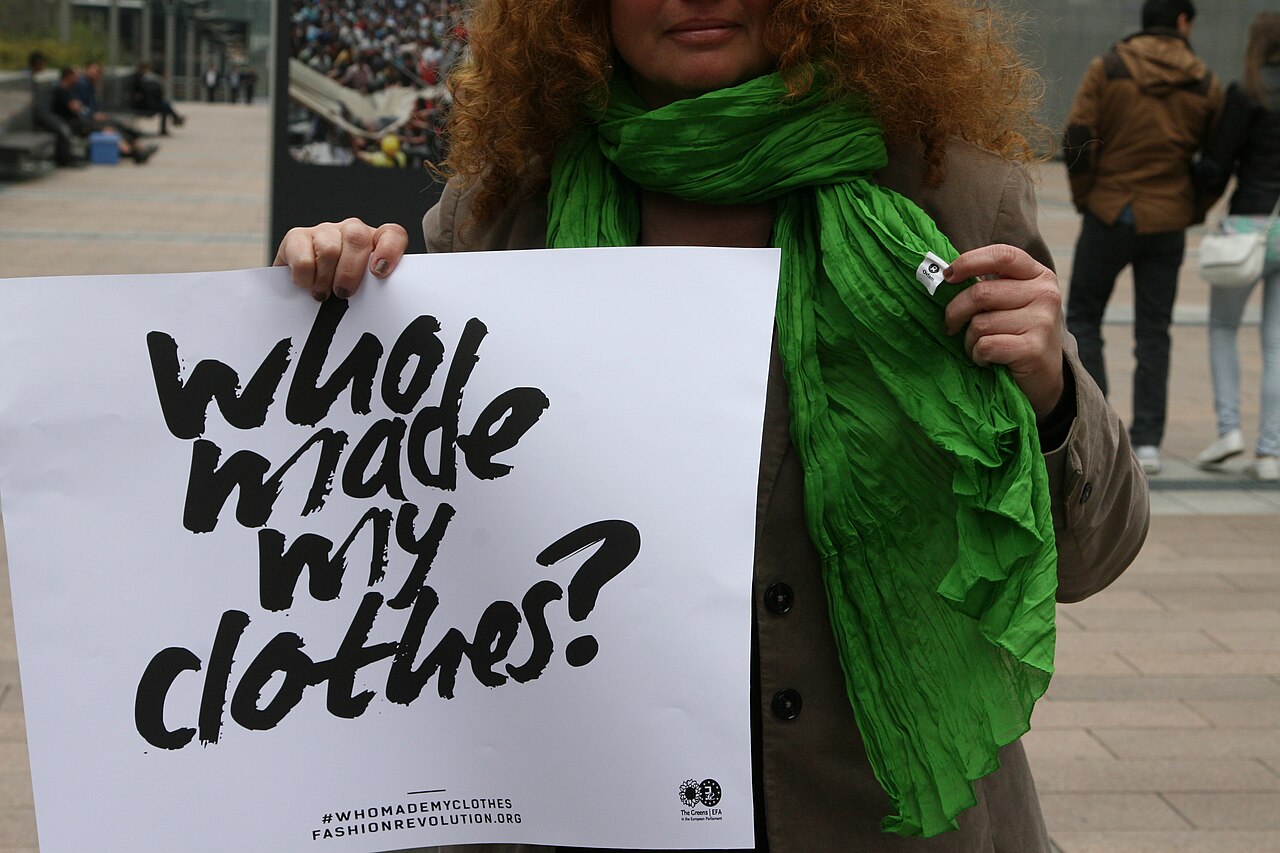
One of the biggest frustrations surrounding toxic clothing is the lack of transparency in global supply chains. Most shoppers have no way of knowing whether garments contain hazardous substances unless brands voluntarily disclose testing standards.
This is why growing consumer demand for transparency is so important. Customers are increasingly asking questions such as:
- Where was this garment made?
- What chemicals were used?
- Has this fabric been independently tested?
- Is this product certified non-toxic?
- Is the brand committed to ethical and sustainable fashion?
As awareness grows, brands that ignore safety concerns may face increasing pressure from consumers, regulators, and public health advocates.
The rise of conscious consumerism shows that shoppers no longer care only about style or affordability. They also care about safety, sustainability, and long-term wellbeing.
Social Media Is Amplifying Consumer Awareness
Why Online Conversations Are Driving Change
Social media platforms have played a major role in bringing attention to toxic clothing concerns. Viral videos, investigative reports, and consumer-led discussions are helping educate shoppers about hidden risks associated with ultra-fast fashion and chemically treated garments.
One widely shared Instagram Reel discussing lead contamination in clothing sparked emotional conversations among parents and consumers concerned about what touches their skin every day. Combined with recent scientific reporting and media coverage, these online discussions are helping push textile safety into mainstream awareness.
Importantly, this conversation is evolving beyond fear and panic. More consumers are now actively searching for healthier, lower-impact alternatives that align with carbon-conscious lifestyles and circular fashion principles.
Education is empowering people to make more informed decisions.
How Customers Can Shop More Safely
Practical Steps to Reduce Exposure
Consumers do not need to throw away their entire wardrobe overnight. Instead, small and thoughtful changes can help reduce potential exposure to harmful substances.
Some helpful steps include:
- Washing new clothes before wearing them
- Choosing certified non-toxic fabrics
- Avoiding heavily dyed ultra-cheap garments when possible
- Prioritising quality over quantity
- Supporting sustainable fashion and ethical fashion brands
- Buying second-hand from trusted circular fashion platforms
- Reading brand transparency reports
- Choosing natural and breathable fibres
Parents may also wish to pay extra attention to babywear, sleepwear, and garments children frequently chew or suck on.
While no shopping decision is entirely risk-free, informed choices can make a meaningful difference over time.
A Turning Point for the Fashion Industry
Consumers Have the Power to Demand Better
The discovery of unsafe lead levels in clothing should serve as a wake-up call for the global fashion industry. Consumers deserve garments that are safe, responsibly made, and free from unnecessary toxic exposure.
This issue goes far beyond trends or aesthetics. Clothing sits against our skin every day. It becomes part of our homes, our washing machines, and our children’s lives. The fabrics we wear should never compromise our health.
At the same time, this moment presents an opportunity. As awareness grows, more people are embracing sustainable fashion, circular fashion systems, vegan alternatives, and carbon-conscious shopping habits that prioritise both personal wellbeing and environmental responsibility.
The future of fashion should not only look good — it should also be safe, ethical, and transparent.
Choose Fashion That Protects Both People and Planet
Consumers have more influence than they realise. Every purchase sends a message about the kind of fashion industry we want to support. By choosing ethical fashion, sustainable fashion, and healthier materials, shoppers can help encourage safer production standards across the industry.
At The Carbon Closet, we believe fashion should support both personal wellbeing and environmental responsibility. As a sustainable fashion platform focused on circular fashion and carbon-conscious choices, we encourage consumers to explore clothing options that are kinder to our bodies, our communities, and the planet.
Shop on our website for conscious, considered products and sign up to our newsletter to stay up-to-date with the latest sustainable fashion news.
Shop on our website for conscious, considered products and sign up to our newsletter to stay up-to-date with the latest sustainable fashion news.
Enjoyed this? Here are some more articles we think you'll love:
