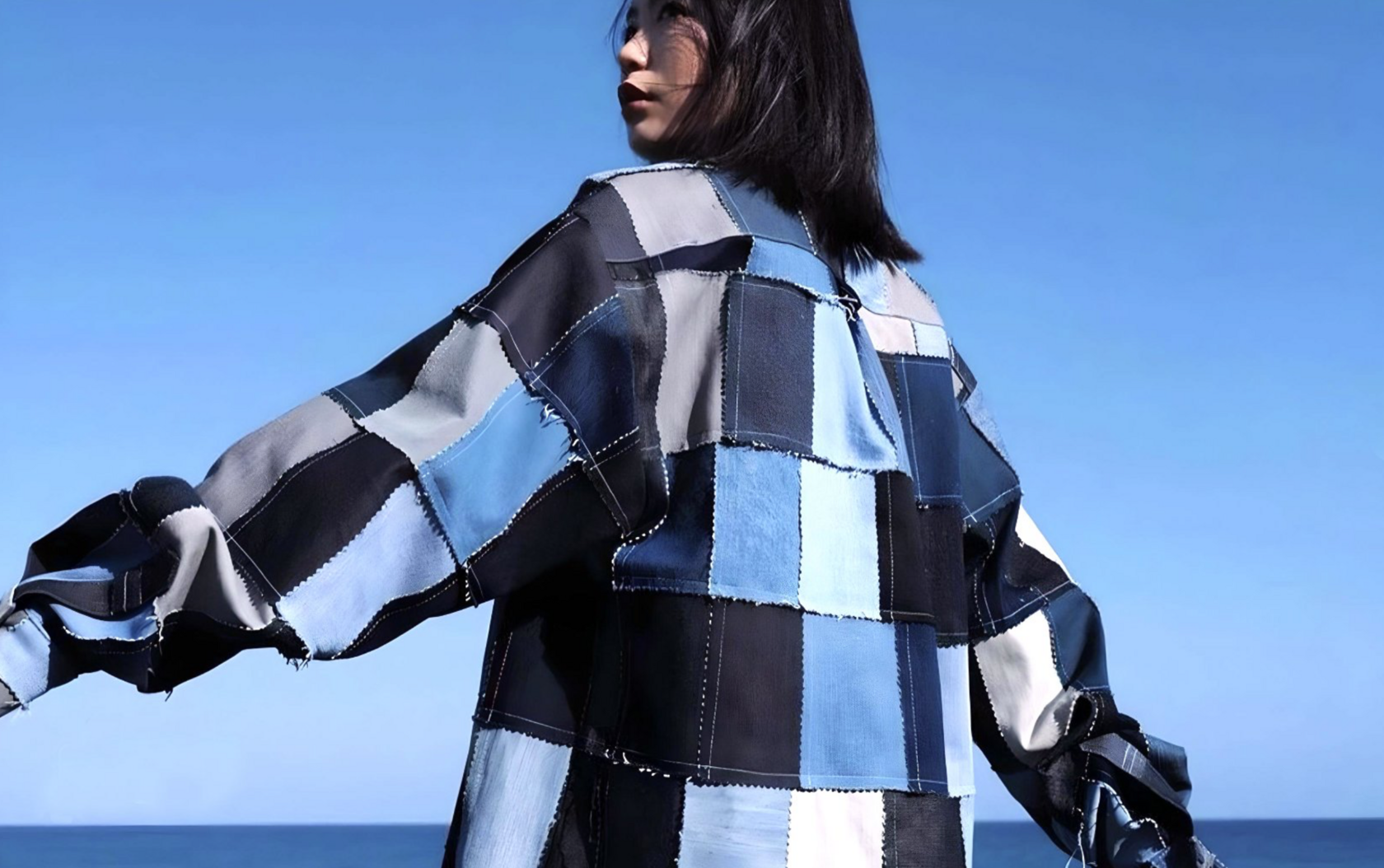
Slow fashion is a movement that prioritises quality, ethics, and environmental sustainability over speed and disposability in clothing production and consumption.
Coined by Kate Fletcher in 2007 as fashion's answer to the slow food movement, slow fashion advocates buying fewer, better-quality garments that last years rather than seasons, supporting transparent supply chains with fair wages, and choosing timeless styles over trend- driven disposability.
Unlike fast fashion's 52 micro-seasons annually producing billions of garments destined for landfills, slow fashion embraces durability, repairability, and mindful consumption—proving that looking good doesn't require harming people or planet.
Coined by Kate Fletcher in 2007 as fashion's answer to the slow food movement, slow fashion advocates buying fewer, better-quality garments that last years rather than seasons, supporting transparent supply chains with fair wages, and choosing timeless styles over trend- driven disposability.
Unlike fast fashion's 52 micro-seasons annually producing billions of garments destined for landfills, slow fashion embraces durability, repairability, and mindful consumption—proving that looking good doesn't require harming people or planet.
Slow Fashion Definition
Slow fashion emphasises quality-based rather than time-based production. It combines thoughtful design, ethical manufacturing with living wages and safe conditions, transparent supply chains, lower-impact materials like organic cotton and linen, smaller production batches reducing waste, and timeless styles designed for
longevity. The movement encourages both producers to slow down harmful practices and consumers to buy less, choose better, and keep garments longer.
longevity. The movement encourages both producers to slow down harmful practices and consumers to buy less, choose better, and keep garments longer.
How Slow Fashion Started
Fashion journalist and sustainability researcher Kate Fletcher first used the term "slow fashion" in a 2007 article for The Ecologist, drawing inspiration from the slow food movement that emerged in 1980s Italy opposing fast food culture. Fletcher recognised fashion had industrialised to the point where clothes became throwaway commodities, with trend cycles accelerating and quality declining.
The movement gained global momentum following the 2013 Rana Plaza factory collapse in Bangladesh, which killed over 1,100 garment workers and injured thousands more. This tragedy exposed fast fashion's devastating human cost-unsafe factories, poverty wages, and exploitation hidden behind cheap price tags. Public outcry transformed slow fashion from niche philosophy into mainstream movement, spawning initiatives like Fashion Revolution's annual campaigns asking "Who Made My Clothes?"
Today, searches for "sustainable fashion," "ethical brands," and "slow fashion" have increased over 200% in five years, demonstrating growing consumer commitment to fashion that doesn't cost the earth-literally.
Slow Fashion vs Fast Fashion
Fast Fashion Reality:
- Average person buys 60% more clothing than 15 years ago
- Over 50% disposed of within one year
- Fashion industry produces 10% of global greenhouse gas emissions
- Textile dyeing contributes 20% of global industrial water pollution
- Less than 1% of clothing materials recycled into new garments
Slow Fashion Alternative:
- Quality garments lasting 5-10 years reduce consumption by 80%
- Organic cotton uses 91% less water than conventional
- Fair Trade factories ensure living wages and safe conditions
- Transparent supply chains eliminate exploitation
- Circular design enables repair, resale, and recycling
Core Principles of Slow Fashion
1. Quality Over Quantity
Slow fashion prioritises craftsmanship and durability. A £100 organic cotton jumper lasting 10 years costs £10 per year; five £20 fast fashion jumpers over the same period cost £100 with quintuple the environmental damage. Superior materials, reinforced seams, and timeless design create garments that improve with age rather than fall apart after three washes.
2. Ethical Production
Workers deserve living wages, safe conditions, and dignity. Slow fashion brands maintain transparent supply chains, often partnering with Fair Trade or Fair Wear certified factories. This means knowing exactly who made your clothes, where, and under what conditions—accountability fast fashion actively avoids.
3. Environmental Responsibility
Slow fashion minimises impact through organic and recycled materials, water-saving production technologies, non-toxic dyes, renewable energy in manufacturing, and circular design for end-of-life recycling. By 2050, fashion could consume 25% of the world's carbon budget unless practices change dramatically.
4. Timeless Design
Instead of chasing trends expiring within weeks, slow fashion creates versatile, classic pieces that work across seasons and years. A well-cut white shirt, quality denim, or cashmere jumper never goes out of style-enabling capsule wardrobes with fewer, better pieces.
5. Transparency
Slow fashion brands openly share supplier names, factory conditions, material sourcing, and environmental impact. This radical transparency allows consumers to make informed choices and holds brands accountable— something fast fashion's deliberately opaque supply chains prevent.
6. Emotional Connection
Slow fashion encourages developing relationships with clothing. Knowing the story behind a garment-who made it, where materials came from, how it's designed creates emotional attachment that combats disposability. You're less likely to throw away something you genuinely value.
Why Slow Fashion Matters
Environmental Impact
The fashion industry is one of Earth's biggest polluters:
Water: A single cotton t-shirt requires 2,700 litres of water to produce—what one person drinks over 2.5 years. Textile dyeing pollutes waterways with carcinogens and microplastics, contributing 20% of global industrial water pollution.
Carbon: Fashion produces more greenhouse gases than international flights and maritime shipping combined. By 2050, it could consume 25% of the world's carbon budget if current practices continue.
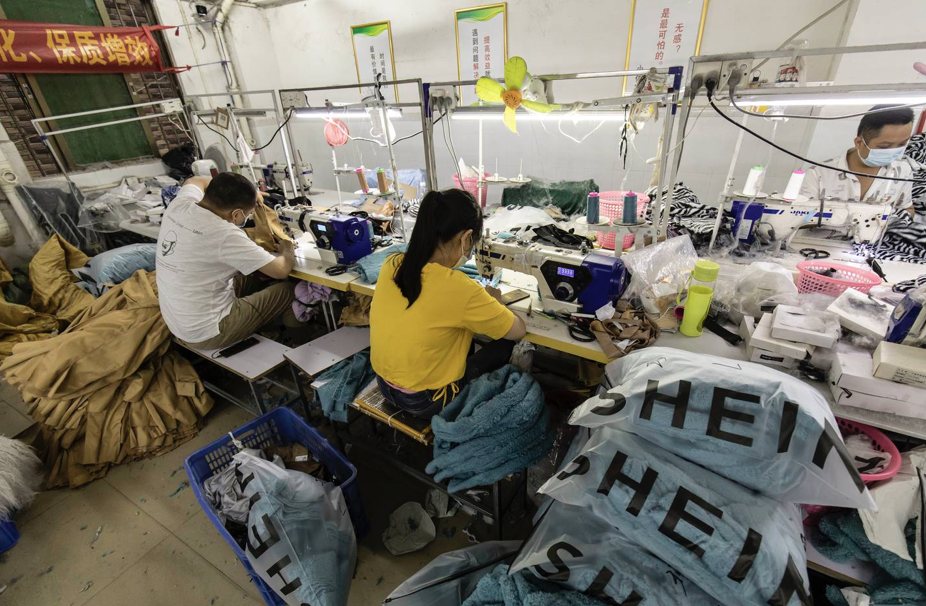
Waste: 85% of textiles end in landfills or incinerators annually. Fast fashion's 52 micro-seasons ensure constant disposal, with garments designed to fall apart after minimal wear.
Pesticides: Conventional cotton covers 2.5% of agricultural land but uses 16% of global pesticides, poisoning soil, waterways, and farmworkers.
Slow fashion dramatically reduces these impacts through organic materials, water-efficient production, durable design enabling 5-10 year lifespans, and circular models keeping textiles in use.
Slow fashion dramatically reduces these impacts through organic materials, water-efficient production, durable design enabling 5-10 year lifespans, and circular models keeping textiles in use.
Social Justice
Fast fashion's cheap prices hide brutal exploitation:
Poverty Wages: Garment workers earn as little as £0.13-0.25 per hour in some countries-far below living wage requirements.
Unsafe Conditions: The Rana Plaza collapse killed 1,138 workers in 2013. Many factories lack basic safety measures, fire exits, or structural integrity.
Gender Inequality: 80% of garment workers are women, often facing harassment, discrimination, and lack of maternity rights.
Child Labour: Despite regulations, child labour persists in cotton farming and garment production, particularly in unregulated supply chains.
Slow fashion brands pay living wages, maintain safe factories audited by Fair Wear Foundation or Fair Trade, ensure workers' rights including unions and paid leave, and maintain transparent supply chains preventing exploitation.
Economic Sustainability
While slow fashion costs more upfront, it delivers better value:
Cost-Per-Wear: A £120 slow fashion coat lasting 10 years costs £12 per year. Three £40 fast fashion coats over the same period cost £120 with triple the environmental impact.
Resale Value: Quality slow fashion items retain value. A £150 organic denim jacket might resell for £60-80 after years of wear; fast fashion has negligible resale value.
Repair vs Replace: Slow fashion brands offer free repairs (like Nudie Jeans), extending lifespans indefinitely. Fast fashion is designed to be disposable.
How to Join the Slow Fashion Movement
Start Where You Are
Don't replace your entire wardrobe. The most sustainable garment is one you already own. Wear out what you have before buying replacements, avoiding the environmental cost of disposal and new production.
Build a Capsule Wardrobe
A capsule wardrobe contains 30-40 versatile, timeless pieces that mix and match effortlessly. Focus on quality basics:
• 2-3 well-fitting jeans or trousers
• 5-7 organic cotton t-shirts in neutral colours
• 2-3 jumpers or cardigans
• 1-2 quality coats
• Versatile shoes and accessories
• 5-7 organic cotton t-shirts in neutral colours
• 2-3 jumpers or cardigans
• 1-2 quality coats
• Versatile shoes and accessories
Every item should work with multiple outfits, eliminating "nothing to wear" despite a full wardrobe.
Shop Secondhand First
Buying pre-loved extends garment lifespan and eliminates production impact entirely. UK options include Oxfam Fashion, Vinted, Depop, charity shops, vintage boutiques, and clothing swaps with friends. Secondhand shopping offers designer quality at fraction of retail prices while keeping textiles circular.
Choose Quality Over Quantity
When buying new, invest in pieces that last:
• Materials: Organic cotton, linen, wool, Tencel
• Construction: Reinforced seams, quality stitching, durable hardware
• Certifications: GOTS, Fair Trade, OEKO-TEX
• Transparency: Brands sharing supplier information
• Timeless Style: Classic cuts that transcend trends
• Construction: Reinforced seams, quality stitching, durable hardware
• Certifications: GOTS, Fair Trade, OEKO-TEX
• Transparency: Brands sharing supplier information
• Timeless Style: Classic cuts that transcend trends
A £80 organic cotton shirt lasting 7 years beats four £20 fast fashion shirts lasting 18 months each.
Care for Your Clothes
Proper care extends lifespan dramatically:
• Wash less frequently (most items don't need washing after single wear)
• Cold water washing preserves colour and reduces energy
• Air dry when possible (tumble drying weakens fibres)
• Repair small issues immediately (loose button, small tear)
• Learn basic mending or use local repair services
• Cold water washing preserves colour and reduces energy
• Air dry when possible (tumble drying weakens fibres)
• Repair small issues immediately (loose button, small tear)
• Learn basic mending or use local repair services
Levi's CEO famously never washes his jeans, spotcleaning stains instead denim lasts decades with this approach.
Support Slow Fashion Brands
Vote with your wallet by choosing brands committed to ethics and sustainability:
UK Slow Fashion Leaders:
- Nudie Jeans - Free lifetime repairs, 100% organic cotton
- Yes Friends - Organic t-shirts from £8, Fair Wear 100/100 rating
- Lucy & Yak - Colourful organic cotton, inclusive sizing
- Rapanui - Made in UK, fully circular
- Thought - Affordable organic essentials
- People Tree - Fair Trade pioneer
Every purchase supports living wages, safe conditions, and environmental responsibility.
Ask Questions
Challenge brands with:
- "Who made this garment?"
- ."Where was it produced?"
- "What certifications do you have?"
- "Do workers earn living wages?"
Brands unable to answer lack transparency. Fashion Revolution's #WhoMadeMyClothes campaign encourages this accountability.
Repair, Upcycle, Recycle
When garments reach end of life:
- Repair: Many slow fashion brands offer free repairs (Nudie, Rapanui)
- Upcycle: Transform worn items into something new
- Donate: Pass wearable clothes to charity shops
- Recycle: Many brands accept worn items for textile recycling
- Compost: Natural fibres like organic cotton can compost
Never bin textiles UK councils often collect textiles for recycling.
Common Slow Fashion Myths
"Slow Fashion is Too Expensive"
Reality: Slow fashion offers better value through cost-per-wear. A £8 Yes Friends organic t-shirt lasting 5 years costs £1.60 per year. Five £5 fast fashion tees over the same period cost £25. Secondhand slow fashion offers luxury quality at charity shop prices. You don't need to buy new to join the movement.
"I Can't Afford to Replace My Wardrobe"
Reality: Don't replace anything. Slow fashion starts with wearing what you have longer. When items wear out, gradually replace with quality pieces you'll keep for years. Mix secondhand bargains with occasional new slow fashion purchases as budget allows.
"Slow Fashion Looks Boring"
Reality: Brands like Lucy & Yak prove slow fashion can be colourful and playful. Slow fashion emphasises personal style over trend-chasing-you define your aesthetic rather than following Instagram. Timeless doesn't mean beige. It means choosing pieces you genuinely love rather than disposable trends.
"It's Too Hard to Change"
Reality: Slow fashion doesn't require perfection. Start with one change:
- Buy one secondhand item instead of new
- Repair one garment instead of replacing
- Research one brand's ethics before purchasing
- Wear one outfit more creatively
Every small action contributes to collective change. Progress over perfection.
"Individual Action Doesn't Matter"
Reality: When millions choose slow fashion, industries transform. The 200% increase in sustainable fashion searches demonstrates shifting consumer power. Brands respond to demand-your choices signal what the market wants.
Collective individual action drives systemic change
Collective individual action drives systemic change
The Future of Slow Fashion
Slow fashion is growing from niche movement to mainstream expectation. Key trends include:
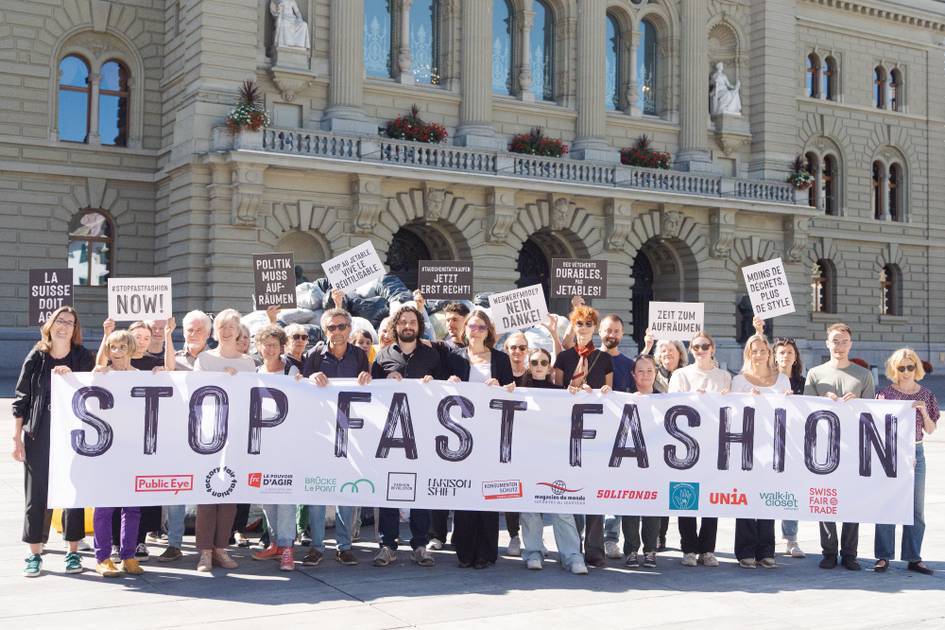
Legislative Support: EU regulations requiring supply chain transparency, right to repair laws, and extended producer responsibility for textile waste force fashion industry accountability.
Technology Integration: Blockchain enables supply chain verification. Rental and resale platforms like Vinted mainstream circular fashion. AI optimises production reducing waste.
Consumer Demand: 65% of people want to buy longer-lasting clothes (McKinsey). Gen Z drives demand for transparency and ethics, with 79% considering sustainability when choosing brands.
Brand Transformation: Even fast fashion giants launching sustainable lines acknowledges movement's power. True change requires systemic overhaul beyond greenwashing capsule collections.
Circular Economy: The future is circular-garments designed for disassembly, repair, resale, and recycling. Brands like MUD Jeans and Rapanui prove circularity works commercially.
Slow fashion isn't just a movement—it's the only sustainable future for an industry currently consuming more than Earth can regenerate.
Ready to Start Your Slow Fashion Journey?
Begin with small, sustainable steps:
1. Audit your wardrobe - What do you actually wear? What needs repair?
2. Make a list - What gaps exist? What quality basics would serve you for years?
3. Shop your closet - Rediscover forgotten pieces, style them differently
4. Try secondhand - Visit charity shops, browse Vinted or Depop
5. Research brands - When buying new, choose sustainable jeans or organic t-shirts from ethical brands
6. Join the conversation - Follow slow fashion advocates, share your journey
2. Make a list - What gaps exist? What quality basics would serve you for years?
3. Shop your closet - Rediscover forgotten pieces, style them differently
4. Try secondhand - Visit charity shops, browse Vinted or Depop
5. Research brands - When buying new, choose sustainable jeans or organic t-shirts from ethical brands
6. Join the conversation - Follow slow fashion advocates, share your journey
Slow fashion isn't about perfection—it's about progress. Every mindful choice contributes to an industry that values people and planet over profit maximisation.
The clothes you choose shape the fashion future. Choose wisely, wear longer, and join the millions building a more sustainable industry one garment at a time.
Visit The Carbon Closet website to source your next slow fashion purchase.
Sign up to our newsletter for the latest news and tips to help you on your journey to a sustainable fashion future.
Enjoyed this article? We think you might like:
Visit The Carbon Closet website to source your next slow fashion purchase.
Sign up to our newsletter for the latest news and tips to help you on your journey to a sustainable fashion future.
Enjoyed this article? We think you might like:
