
After years of wasteful fashion cycles and mounting textile waste, the European Union has taken a decisive step: banning the destruction of unsold clothing. This landmark move forms part of the EU’s broader Ecodesign for Sustainable Products Regulation (ESPR), designed to reduce environmental harm and accelerate the transition toward circular fashion. For customers, brands, and the planet, this is more than policy—it’s a signal that the era of overproduction and incineration is being challenged at its core.
Why This Ban Matters for the Planet
Ending a Culture of Waste
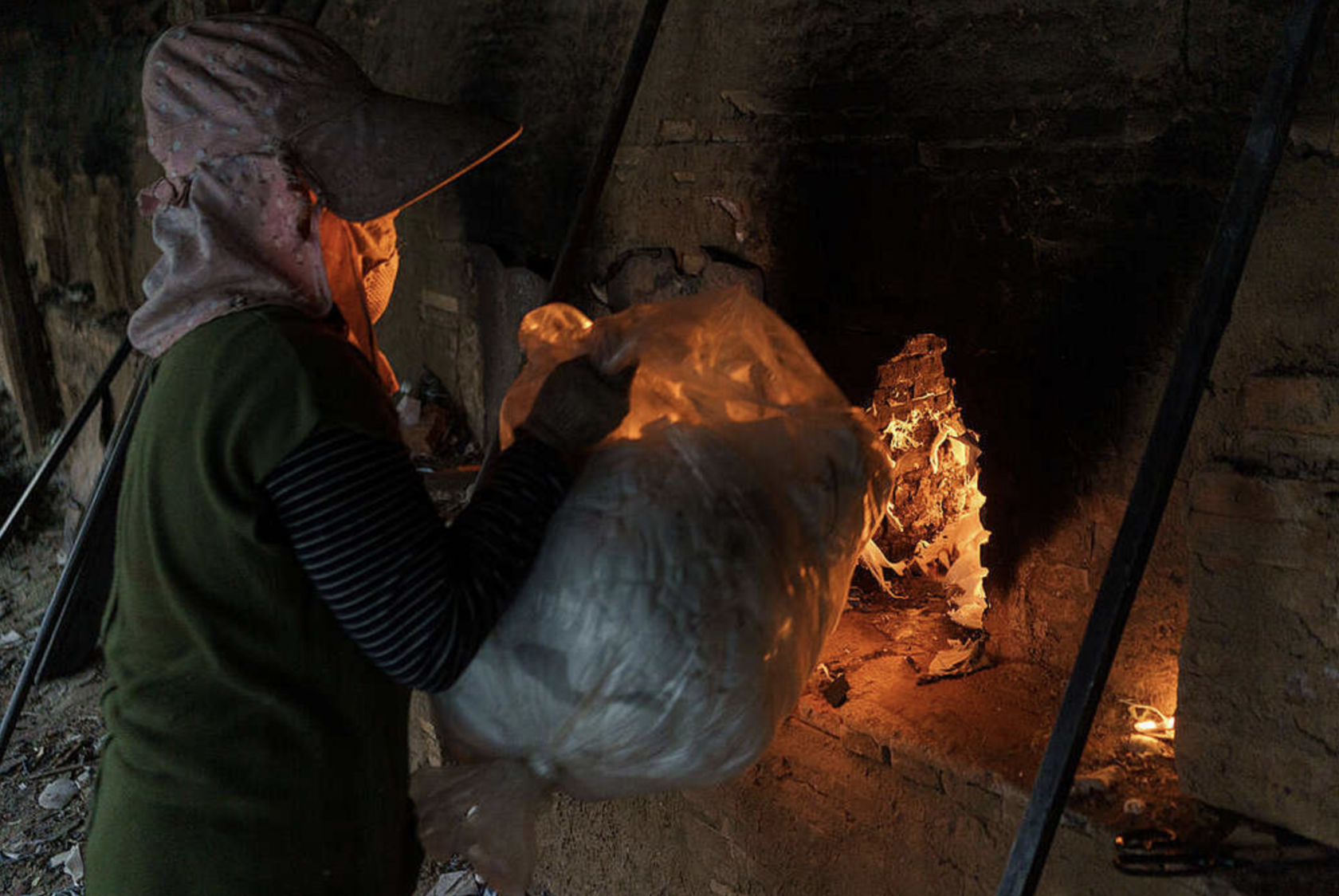
For decades, fast fashion’s business model relied on overproduction. Excess inventory was often cheaper to destroy than to store, redistribute, or discount. In 2018, Burberry faced global backlash after revealing it had burned £28.6 million worth of unsold clothes, perfumes, and accessories to protect brand exclusivity. Meanwhile, global retailers like H&M have long struggled with surplus inventory challenges.
This practice contributes to enormous textile waste. Millions of tonnes of clothing are sent to landfill or incinerated each year, releasing carbon emissions and toxic pollutants. The EU’s ban directly targets this destructive cycle, reinforcing the shift toward sustainable fashion and carbon-conscious production models. It sends a clear message: waste is no longer an acceptable cost of doing business.
The Hidden Problem: Returns and Overstock
The Waste We Don’t See
Beyond unsold stock, product returns are another major contributor to fashion waste. Many returned garments are not re-merchandised due to logistical costs, quality checks, or damaged packaging. Instead, they are often discarded or destroyed. This invisible side of e-commerce convenience has a significant environmental footprint.
By banning destruction, the EU encourages brands to rethink production planning, inventory systems, and end-of-life solutions. Instead of burning excess stock, companies must explore resale, donation, recycling, or fibre-to-fibre innovation. This fosters ethical fashion practices and strengthens the infrastructure needed for circular fashion—where garments are kept in use for longer and materials are regenerated rather than wasted.
What This Means for You as a Customer
Power, Responsibility, and Opportunity
This policy isn’t just about corporations—it’s about consumers too. Every purchase decision shapes supply and demand. The ban highlights the urgent need for more thoughtful consumption habits and greater transparency across supply chains.
Customers are increasingly seeking sustainable fashion, vegan materials, and carbon-conscious brands that align with their values. The EU’s move reinforces that these priorities are no longer niche concerns—they are central to the future of the industry. As brands adapt, we can expect improvements in product durability, resale initiatives, repair services, and innovative recycling technologies.
Importantly, this legislation could also reduce greenwashing. Companies will be required to report unsold stock and justify how it’s handled, increasing accountability and encouraging genuinely ethical fashion systems.
A Step Toward Circular Fashion
From Linear to Regenerative
For decades, fashion operated on a linear model: take, make, waste. The EU ban challenges that system by pushing the industry toward circular fashion—where products are designed to last, be repaired, resold, or recycled.
While legislation alone won’t solve overproduction overnight, it creates structural pressure for smarter forecasting, smaller production runs, and better textile recovery systems. If implemented effectively, this could dramatically reduce landfill waste and carbon emissions across Europe and beyond.
The fashion industry is one of the most resource-intensive sectors globally. Shifting to carbon-conscious, ethical fashion models is not optional—it is essential for meeting climate goals and protecting ecosystems.
The Future of Fashion Starts With Us
The EU’s ban on destroying unsold clothing marks a powerful shift toward accountability and sustainability. It challenges brands to produce more responsibly and encourages customers to shop with intention.
As consumers, we hold influence. By supporting resale, choosing sustainable fashion, and embracing circular fashion systems, we help accelerate meaningful change.
At The Carbon Closet, we are proud to be part of this movement. As a sustainable fashion platform, we champion carbon-conscious, ethical fashion choices that keep clothing in circulation and out of landfill. Explore how you can shop smarter, reduce waste, and become part of fashion’s circular future today.
Visit our website for only the most ethical brands and products and sign up to our newsletter to receive more top sustainable fashion stories. Explore how you can shop smarter, reduce waste, and become part of fashion’s circular future today.
Visit our website for only the most ethical brands and products and sign up to our newsletter to receive more top sustainable fashion stories. Explore how you can shop smarter, reduce waste, and become part of fashion’s circular future today.
