
Why One Fashion Brand Going Public Could Shape the Future of Ethical Shopping
The sustainable fashion industry has reached another significant milestone with news that Reformation is preparing for an Initial Public Offering (IPO). While stock market announcements may not seem immediately relevant to the average shopper, this development could have a meaningful impact on the future of ethical fashion, circular innovation and the availability of more sustainable clothing.
An Initial Public Offering (IPO) is when a private company offers its shares to the public for the first time on a stock exchange. This allows investors to buy a stake in the business while providing the company with new funding to support future growth (IOSCO, 2023). In Reformation's case, reports suggest the brand is seeking a valuation of up to US$1 billion, demonstrating that investors increasingly recognise the commercial potential of sustainability-led businesses rather than viewing them as niche alternatives (Sustainable Fashion Forum, 2026).
For consumers, this is about far more than financial markets. As demand for carbon-conscious products continues to grow, major investments into sustainable fashion brands could help accelerate innovation, improve supply chains and make ethical fashion more accessible to people around the world.
Sustainable Fashion Is Becoming Big Business
Investor confidence reflects changing consumer values
Over the past decade, sustainable fashion has evolved from a specialist movement into one of the industry's fastest-growing sectors. Consumers are becoming increasingly aware of fashion's environmental impact, from carbon emissions and water consumption to textile waste and labour conditions (United Nations Environment Programme, 2023). As a result, shoppers are actively seeking brands that prioritise transparency, responsible manufacturing and longer-lasting products.
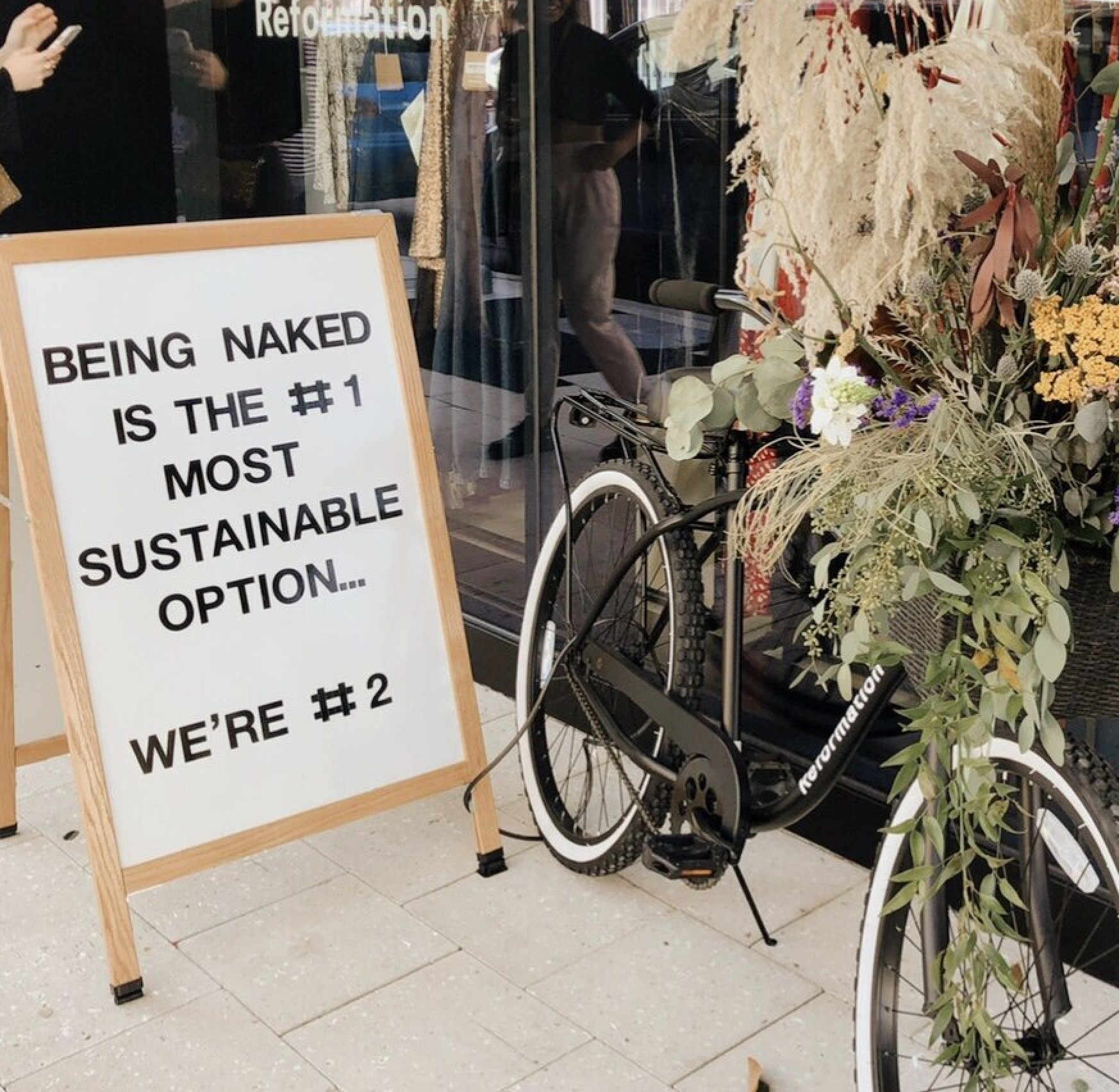
Reformation has built its reputation around many of these principles. The brand is known for publishing environmental impact information, using lower-impact materials where possible and investing in supply chain improvements (Reformation, 2025). While no fashion brand is entirely sustainable, Reformation has consistently positioned itself as a company working towards reducing its environmental footprint through responsible sourcing and improved production practices.
Its planned IPO suggests that investors believe sustainability is no longer simply a marketing trend but an important driver of long-term business growth (Sustainable Fashion Forum, 2026). This shift matters because increased investment can encourage more brands to improve their environmental and social performance in order to remain competitive.
What More Investment Could Mean for Customers
Better Innovation and Wider Access to Sustainable Choices
Growing a fashion business requires significant investment. New funding raised through an IPO can support research into innovative materials, improve manufacturing technology, expand repair and resale initiatives, and strengthen supply chain transparency.
For customers, this could lead to a wider range of sustainable fashion options becoming available. Continued investment may also help brands develop alternatives to conventional synthetic and animal-derived materials, supporting the growth of vegan textiles, recycled fibres and lower-impact fabrics.
Innovation across the wider industry is already moving quickly. New plant-based materials made from mushrooms, agricultural waste, fruit by-products and other renewable resources continue to emerge, while textile-to-textile recycling technologies are becoming increasingly commercially viable (Ellen MacArthur Foundation, 2017). Additional funding allows brands to adopt these innovations more rapidly, helping sustainable fashion become more mainstream rather than remaining a premium niche.
Although sustainable clothing can still carry higher upfront costs, larger-scale production and improved manufacturing efficiencies could gradually make carbon-conscious products more affordable for everyday shoppers.
Why Transparency Will Become Even More Important
Public Companies Face Greater Scrutiny
Going public brings both opportunities and responsibilities. Listed companies are expected to provide shareholders with regular financial updates, while consumers, investors and regulators increasingly expect transparency around environmental and social performance as well.
This increased scrutiny can encourage companies to improve the way they measure and communicate their sustainability efforts. Consumers are becoming more informed and are asking important questions about where garments are made, which materials are used, how workers are treated and whether environmental claims are backed by evidence (OECD, 2024).
For shoppers, this is good news. Greater transparency makes it easier to compare brands and identify businesses that are genuinely investing in ethical fashion rather than relying on vague or misleading sustainability claims.
However, customers should continue to look beyond marketing messages. Independent certifications, detailed sustainability reports and clear information about sourcing remain valuable tools when making informed purchasing decisions.
Sustainable Fashion's Success Depends on More Than One Brand
Every Purchasing Decision Still Makes a Difference
While Reformation's IPO represents an exciting moment for sustainable fashion, the industry's future will never depend on a single company. Real progress will continue to come from collective action involving brands, manufacturers, governments and consumers working together to reduce fashion's environmental impact (United Nations Environment Programme, 2023).
Consumers remain one of the most powerful drivers of change. Choosing quality over quantity, supporting ethical fashion brands, extending the life of clothing through repair, embracing circular fashion and considering vegan alternatives to animal-derived materials all contribute to reducing fashion's overall footprint (Ellen MacArthur Foundation, 2017).
As more investors recognise the commercial value of sustainability, businesses across the industry may feel greater pressure to improve their environmental performance. Competition can encourage innovation, resulting in better products, improved transparency and more responsible manufacturing practices for everyone.
An IPO does not automatically make a company more sustainable, nor does it solve the challenges facing the fashion industry. However, it does send a strong signal that sustainability is increasingly being viewed as a core business strategy rather than a niche market (Sustainable Fashion Forum, 2026).
Looking Ahead
The fashion industry is entering an important period of transformation. Investment in sustainable businesses, advances in circular technologies and growing consumer awareness are reshaping how clothing is designed, produced and purchased.
Reformation's planned public listing highlights how sustainability is becoming increasingly integrated into mainstream business decisions. For consumers, this represents another encouraging step towards a future where carbon-conscious, ethical fashion and circular innovation are more widely available.
Whether you're building a more responsible wardrobe, exploring vegan fashion or simply looking to make more informed purchasing decisions, staying informed helps ensure every purchase supports the kind of fashion industry you want to see.
Discover Sustainable Fashion with The Carbon Closet
At The Carbon Closet, we believe shopping should be better for both people and the planet. As a sustainable fashion platform, we bring together carefully selected brands that prioritise carbon-conscious design, ethical fashion, circular fashion principles and innovative vegan materials. Whether you're searching for everyday wardrobe essentials or discovering the latest sustainable innovations, we're here to help you make informed choices that support a more responsible future for fashion.
Shop on our website for Reformation products amongst hundreds of other brands and sign up to our newsletter for all the latest sustainable fashion stories.
Enjoyed this? Here are some more articles we think you'll love:
