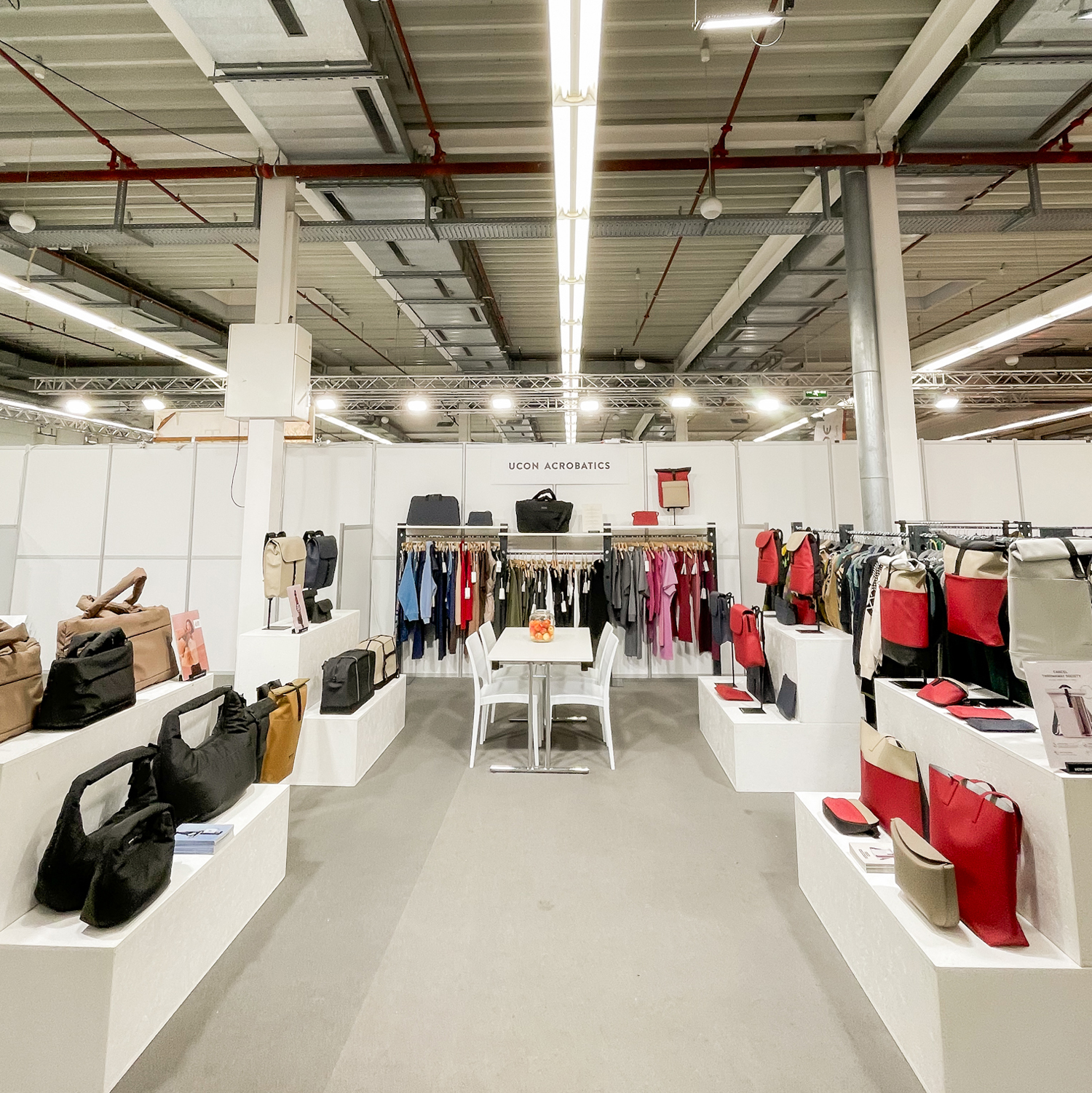
A major milestone for sustainable fashion
Europe's largest sustainable fashion trade show, INNATEX, has officially opened its summer 2026 edition in Germany, bringing together around 200 sustainable fashion brands from across the globe. While trade fairs may seem like industry-only events, INNATEX has a much bigger impact than many consumers realise. The brands, innovations and conversations taking place there today will help shape the clothing that appears in shops tomorrow.
Held from 18–20 July 2026 in Hofheim near Frankfurt, INNATEX has long been recognised as one of the world's leading events dedicated entirely to sustainable textiles. This year's event places a strong emphasis on circular fashion, responsible manufacturing, innovative low-impact materials, transparent communication and helping brands adapt to evolving sustainability legislation (INNATEX, 2026; FashionUnited, 2026).
For anyone interested in ethical fashion, vegan alternatives, carbon-conscious shopping or simply making more informed purchasing decisions, the event offers an encouraging glimpse into the future of fashion.
Why INNATEX matters beyond the fashion industry
Sustainable fashion is becoming the new standard
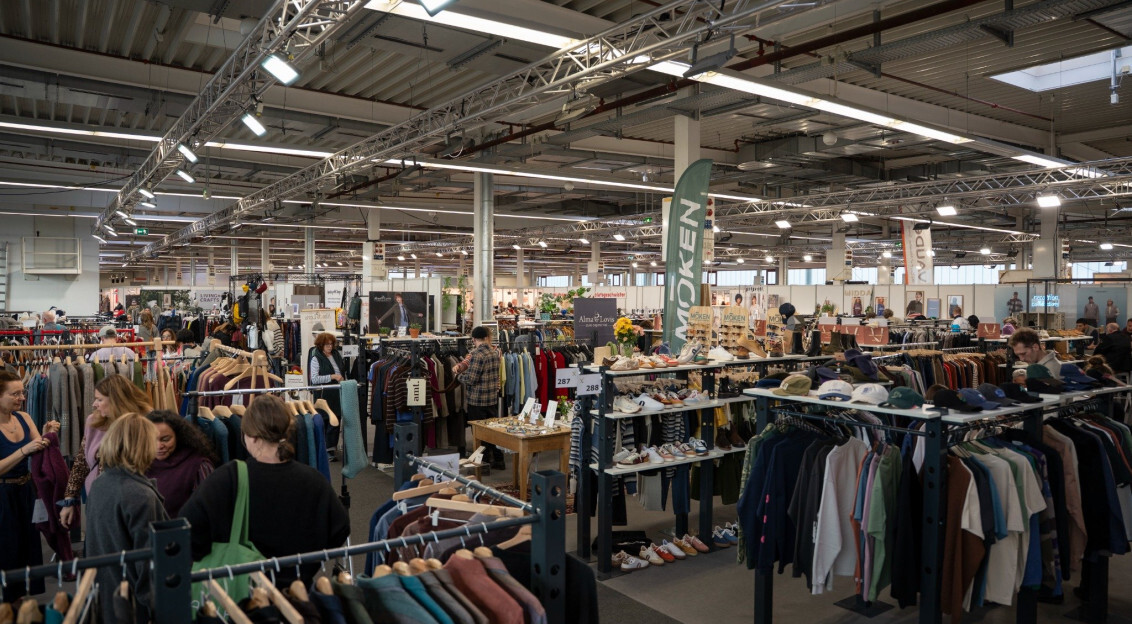
For years, sustainable fashion was often viewed as a niche market. Today, events like INNATEX demonstrate just how much the industry has evolved. Around 200 brands from approximately 20 countries are showcasing collections that prioritise responsible sourcing, longer-lasting design and lower environmental impact, proving that sustainability is becoming central to fashion rather than an afterthought (INNATEX, 2026).
Well-known brands exhibiting this year include Ecoalf, Vaude, Knowledge Cotton Apparel, Thinking Mu and Jan 'n June, alongside many emerging innovators developing new approaches to sustainable textiles and production (FashionUnited, 2026).
For consumers, this means greater choice. As more brands embrace sustainable practices, finding clothing that aligns with your values becomes easier than ever before. Increased competition also encourages innovation, helping improve product quality, affordability and accessibility over time.
Circular fashion takes centre stage
Designing clothes that stay in use for longer
One of the biggest themes at INNATEX 2026 is circular fashion. Rather than following the traditional "take, make, waste" model associated with fast fashion, circular design focuses on keeping garments in use for as long as possible through durability, repairability, recycling and responsible end-of-life solutions.
Many exhibitors are presenting collections designed with longevity in mind, alongside recycled fibres, renewable materials and production methods that reduce waste. Discussions throughout the event also explore how brands can better communicate sustainability without misleading consumers, particularly as new European regulations require environmental claims such as "sustainable" or "climate-neutral" to be backed by credible evidence (FashionUnited, 2026).
This shift benefits shoppers directly. Buying fewer, better-quality garments often leads to wardrobes that last longer, reduce unnecessary waste and offer better value over time. It also helps consumers avoid greenwashing by encouraging greater transparency throughout the fashion supply chain.
Innovation is driving a greener future
New materials and smarter manufacturing
Another reason INNATEX is attracting attention is its focus on material innovation. Sustainable fashion is no longer limited to organic cotton or recycled polyester. Brands are increasingly experimenting with innovative fibres, lower-impact manufacturing processes and responsible sourcing that reduce emissions while maintaining performance and style.
Alongside product showcases, the trade fair features educational masterclasses, networking events and expert discussions covering retail innovation, product longevity, digital transformation and sustainable business strategies (INNATEX, 2026; Textile Network, 2026).
These conversations help brands improve every stage of production, from design and manufacturing to marketing and retail. As businesses adopt these ideas, consumers ultimately gain access to clothing that is produced more responsibly while maintaining the quality, comfort and aesthetics they expect.
Importantly, many brands are also expanding their collections of vegan fashion, reducing reliance on animal-derived materials in favour of innovative plant-based and recycled alternatives. This reflects growing consumer demand for products that consider both environmental impact and animal welfare.
Transparency is becoming just as important as sustainability
Consumers deserve trustworthy information
Today's shoppers increasingly want to know where their clothes come from, who made them and what environmental impact they have. INNATEX recognises that transparency is now one of the most valuable tools for building trust.
Several talks at this year's event focus on new European legislation, including the Empowering Consumers Directive, which aims to ensure environmental marketing claims are accurate, substantiated and easy to understand. Experts are discussing how brands can communicate honestly while avoiding vague or misleading sustainability language (FashionUnited, 2026).
This is welcome news for consumers. Clearer information makes it easier to compare products, identify genuinely responsible brands and make confident purchasing decisions. It also rewards businesses investing in authentic sustainability rather than relying on marketing buzzwords.
As transparency improves across the industry, consumers become active participants in driving positive change. Every informed purchase sends a message about the kind of fashion industry people want to support.
The future of fashion is being shaped today
Trade shows like INNATEX may happen behind the scenes, but their influence reaches wardrobes across Europe and beyond. The innovations, partnerships and discussions taking place this week will help determine which materials are developed, which sustainability standards become common practice and how brands communicate with consumers in the years ahead.
For shoppers, this represents an exciting opportunity. Sustainable fashion continues to become more innovative, more transparent and more widely available. Whether you're looking for ethical fashion, vegan clothing, carbon-conscious brands or high-quality garments designed to last, the direction of travel is increasingly positive.
As the industry continues moving towards circular systems, responsible manufacturing and greater accountability, consumers have more power than ever to support brands that align with their values.
Discover sustainable fashion with The Carbon Closet
If INNATEX has inspired you to make more mindful fashion choices, The Carbon Closet is here to help. As a carbon-conscious sustainable fashion platform, we bring together carefully selected brands that prioritise ethical fashion, circular fashion, vegan materials and responsible production. By choosing brands committed to creating clothing with people and the planet in mind, you can build a wardrobe that reflects your values while supporting the future of sustainable fashion.
Shop from our website for many of the brands mentioned in this article, amongst hundreds more, and sign up to our newsletter to hear about more top sustainable fashion stories.
Enjoyed this? Here are some more articles we think you'll love:
