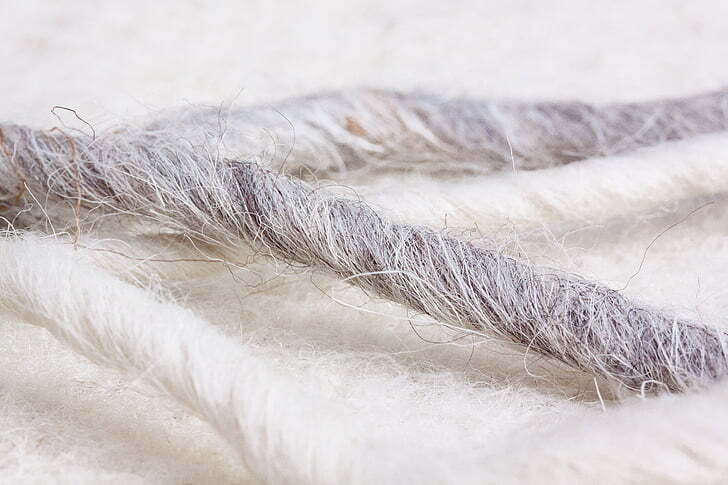
The hidden truth behind one of fashion’s most misunderstood fabrics
Wool is often marketed as one of fashion’s most “natural” and sustainable materials. From luxury knitwear to winter basics, consumers are constantly told that wool is breathable, biodegradable and better for the planet than synthetic fabrics like polyester or acrylic. But the reality is far more complicated.
Today, many wool garments on the market are chemically treated using processes that coat fibres in plastic-based polymers, transforming what was once a natural material into something semi-synthetic. At the same time, wool production itself continues to raise important ethical concerns around animal welfare, land use and the environmental impact of livestock agriculture.
For conscious consumers trying to shop more sustainably, ethically and vegan-friendly, understanding what hides behind fashion labels has never been more important. Because when brands use words like “natural”, “eco” or “responsibly sourced”, those claims do not always tell the full story.
What Is “Superwash” Wool?
The chemical process many consumers never hear about
Most modern wool garments are treated using a process called superwashing. This treatment was designed to make wool easier to care for by preventing shrinking and felting in the washing machine.
To achieve this, wool fibres typically undergo two stages of chemical processing:
1. Chlorine or acid treatment
The fibre is stripped of its natural outer scales using chemicals.
2. Polymer coating
The wool is then coated in a synthetic resin or plastic-based polymer to smooth the surface and make it machine washable.
The result is a fabric that behaves less like traditional wool and more like a synthetic textile. Despite this, many garments are still marketed simply as “100% wool”, with little transparency about how heavily processed the fibres actually are.
For customers actively trying to reduce their exposure to plastics and support ethical fashion, this lack of transparency is a growing issue.
Why This Matters for Conscious Consumers
“Natural” does not always mean ethical or sustainable
One of the biggest misconceptions in sustainable fashion is the idea that all natural fibres are automatically environmentally friendly. In reality, materials must be evaluated based on the entire production process — from farming and chemical treatments to labour practices, emissions and end-of-life impact.
Wool is no exception.
Even before chemical processing enters the conversation, wool production raises concerns around:
- Animal welfare and industrial farming practices
- Methane emissions from sheep farming
- Land degradation and biodiversity loss
- Intensive water and resource use
According to the United Nations Food and Agriculture Organization (FAO), livestock production contributes significantly to global greenhouse gas emissions.
When wool is additionally treated with plastic-based coatings and chemical finishes, it further complicates its sustainability claims. Critics argue that polymer-coated wool undermines many of the environmental benefits consumers associate with natural fibres in the first place.
For shoppers pursuing a vegan, carbon-conscious or circular fashion lifestyle, these distinctions matter.
The Problem with Greenwashing in Fashion
Why labels can be misleading
Fashion brands increasingly know that consumers care about sustainability. As a result, many companies use language such as:
- “Eco-friendly”
- “Natural”
- “Conscious”
- “Responsibly sourced”
- “Biodegradable”
But these terms are often vague and unregulated.
A wool jumper labelled “100% wool” may still have undergone chlorine treatments, polymer coating or chemical finishing processes that are never clearly disclosed to customers.
Some common indicators of treated wool include:
- “Machine washable”
- “Easy care”
- “Shrink resistant”
- “Tumble dry safe”
Meanwhile, untreated wool products will often specifically state:
- “Non-superwash wool”
- “Untreated wool”
- “Traditional wool”
- “Hand wash only”
This lack of clarity reflects a wider issue within the fashion industry: consumers are expected to make ethical choices without being given transparent information.
As awareness around greenwashing grows, shoppers are increasingly demanding honesty from brands about how products are truly made.
Do Certifications Guarantee Ethical Fashion?
Understanding what labels actually mean
Certifications can help consumers make more informed decisions, but they are not all designed to measure the same things.
For example:
OEKO-TEX
OEKO-TEX tests finished garments for certain harmful substances but does not guarantee a product is plastic-free, vegan or untreated.
Woolmark
Woolmark confirms that a garment contains genuine wool, but it does not assess animal welfare standards or whether the fibre has been chemically processed.
Responsible Wool Standard (RWS)
RWS focuses on animal welfare and land management practices, but it still allows certain chemical processing methods, including superwash treatments.
One of the stricter certifications is the Global Organic Textile Standard (GOTS), which applies to finished products and limits many conventional chemical treatments. However, even certifications should be viewed as part of a broader picture rather than a perfect solution.
For ethical fashion consumers, the most important step is remaining curious, informed and critical of marketing claims.
The Future of Fashion Must Be Transparent
Conscious shopping starts with asking questions
As consumers become more educated about the hidden realities of fashion production, there is growing demand for truly transparent alternatives. People are no longer just asking what their clothes are made from — they want to know:
- How materials were processed
- Whether harmful chemicals were used
- If animals were harmed
- Whether fibres shed microplastics
- How long garments will actually last
This shift is helping drive the growth of vegan fashion, circular fashion systems and low-impact textile innovation. More consumers are embracing slow fashion principles, buying less and prioritising transparency over trends.
Ultimately, sustainable fashion is not about blindly trusting “natural” labels. It is about understanding the full lifecycle of a garment and making choices that align with your values.
Rethinking What Sustainable Fashion Really Means
The conversation around wool highlights a much bigger issue within the fashion industry: sustainability is rarely as simple as brands make it seem. A material can be marketed as natural while still involving plastic coatings, chemical processing and serious animal welfare concerns.
That is why informed shopping matters.
At The Carbon Closet, we believe ethical fashion should be transparent, carbon-conscious and genuinely aligned with a more sustainable future. As a platform focused on vegan fashion, circular fashion and responsible consumption, we aim to help consumers navigate greenwashing and discover lower-impact alternatives that prioritise both people and the planet.
Shop on our website to start building your truly conscious wardrobe, and sign up to our newsletter to stay informed on all the top sustainable fashion stories.
Shop on our website to start building your truly conscious wardrobe, and sign up to our newsletter to stay informed on all the top sustainable fashion stories.
Because truly sustainable fashion should never come at the expense of animals, transparency or trust.
Enjoyed this? Here are some more articles we think you'll love:
