Is Innovation Enough?
Fashion is becoming increasingly inventive. New bio-based fibres are being developed, textile-to-textile recycling is improving, agricultural waste is being transformed into new materials and biotechnology is opening up entirely new possibilities for sustainable fashion. These innovations are exciting, and they could play an important role in reducing the industry's environmental impact.
But there is a bigger question hiding behind all this innovation: can technology alone solve fashion's waste problem?
The answer may depend on what happens alongside it. Recycling a discarded garment is valuable, but it does not necessarily address why so many garments are produced in the first place. A new sustainable fibre can reduce the impact of a garment, but it cannot solve the problem of clothing that is barely worn before being replaced. As the fashion industry continues searching for technological solutions, there is growing recognition that circular fashion needs more than new materials. It also needs better design, longer-lasting clothing, repair, resale, reuse and a shift away from producing more than consumers need.
Fashion's Waste Problem Starts Before the Bin
Overproduction Is Part of the Bigger Picture
When we think about textile waste, it is easy to picture unwanted clothes sitting in a wardrobe or discarded in a bin. But waste can enter the fashion system much earlier. Garments can remain unsold, materials can become surplus, and clothing can be produced in quantities that exceed what the market ultimately needs.
The United Nations Environment Programme identifies overproduction and overconsumption as important challenges that need to be addressed alongside reuse, repair and recycling when creating a more sustainable textile industry (UNEP, 2026). Textile Exchange similarly describes the traditional fashion model as largely extractive, with greater production volumes requiring more resources and generating more waste (Textile Exchange, 2026).
This is why technology, while important, cannot be the only answer. If millions of new garments continue entering the market, even highly advanced recycling systems will have an enormous amount of material to process.
Reducing waste therefore starts with asking a more fundamental question: how can we keep clothing valuable and in use for longer?
Recycling Has an Important Role — But It Is Not the Whole Solution
Closing the Loop
Textile recycling is one of the most exciting areas of fashion innovation. The idea of taking an unwanted garment and turning it back into a new textile could help reduce demand for virgin resources and keep valuable materials within the fashion system.
There are already technologies capable of mechanically and chemically recycling different fibres, while researchers and businesses continue working towards more efficient textile-to-textile recycling. Textile Exchange identifies investment in technologies that can recycle textiles back into textiles without degrading quality as an important part of building circular systems (Textile Exchange, 2026).
However, recycling works best when it forms part of a wider system. A garment needs to be designed with its eventual recycling in mind, collected through suitable systems and made from materials that recycling technologies can actually process.
This is where circular fashion differs from simply recycling. Circularity aims to keep products and materials at their highest possible value for as long as possible, through approaches including reuse, resale, repair, rental and recycling (Textile Exchange, 2026).
Ideally, recycling becomes one stage in a garment's journey — not the destination for everything we buy.
What About New Sustainable Materials?
Innovation Can Still Transform Fashion
None of this means that innovative materials are unimportant. Quite the opposite.
Bio-based textiles, recycled fibres, plant-based leather alternatives and bioengineered materials could all help fashion reduce its reliance on virgin fossil resources and animal-derived materials. Recent innovations such as bioengineered silk, agricultural-waste leather alternatives and fungal materials demonstrate how quickly the material landscape is expanding.
These developments can be particularly valuable when they solve a genuine material challenge. If designers can create a durable, high-performing fabric from renewable or recycled resources, that can be a meaningful improvement.
But material innovation and circularity work best together. A more responsible fibre becomes even more valuable when it is used to create a durable garment, designed to be repaired, resold and eventually recycled.
The goal, therefore, should not be to choose between technology and traditional circular practices. The most sustainable fashion system could combine them: better materials + better design + longer use + effective recovery.
Could Making Clothes Last Longer Be the Biggest Innovation?
Repair, Reuse and Resale
Sometimes the most effective solution is surprisingly simple: keep the clothes we already own in use.
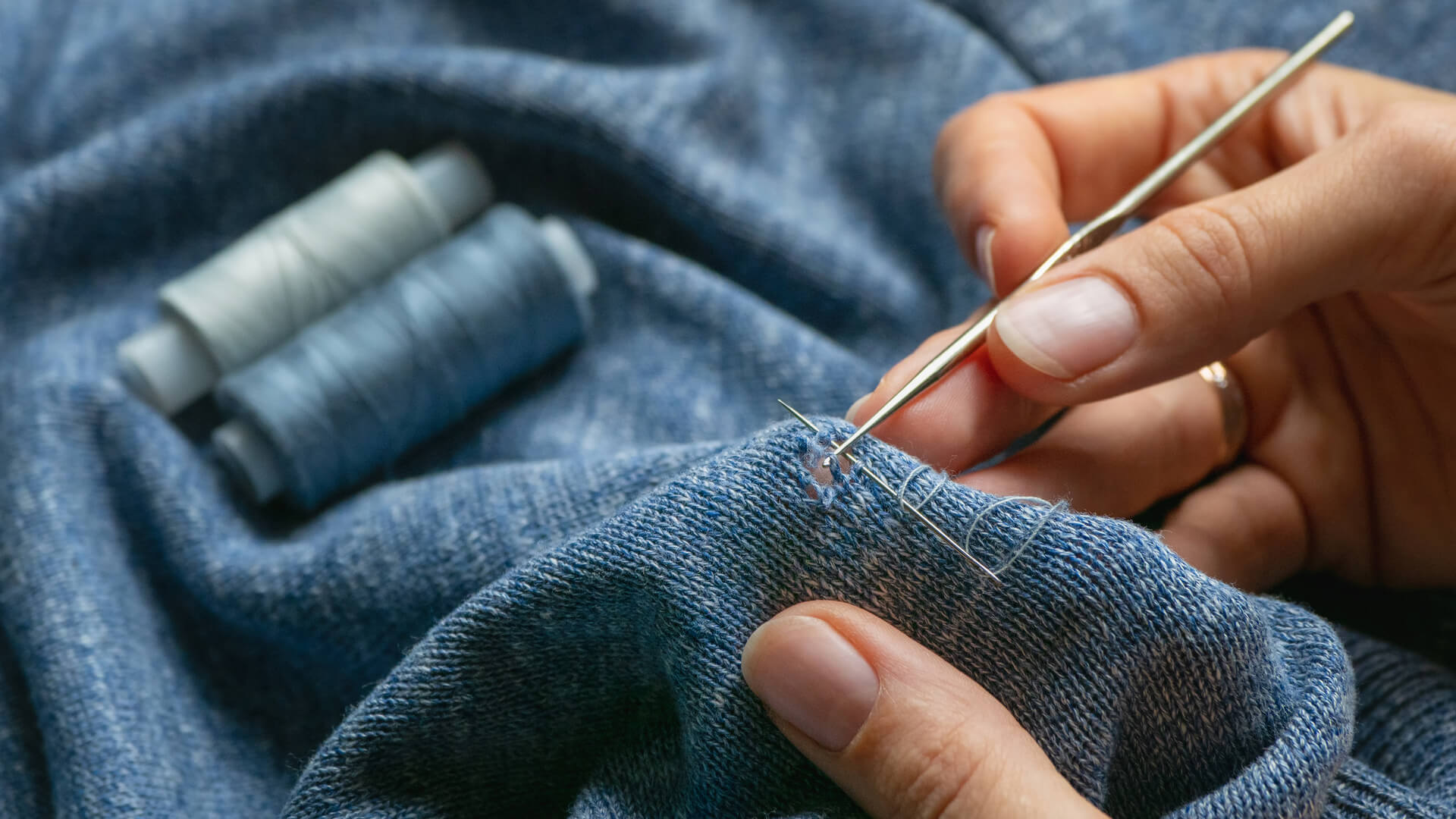
Repair can extend the life of a favourite garment, while resale allows something no longer wanted by one person to find another owner. Rental can provide access to clothing without requiring every customer to purchase something outright, and upcycling can transform unwanted textiles into something new.
These approaches are increasingly moving into mainstream retail. Recent reporting shows major brands including Levi's, Uniqlo and Primark introducing repair services, sewing workshops and aftercare initiatives, as fashion businesses respond to growing consumer interest in extending garment life (Associated Press, 2026).
This matters because every additional wear can help extract more value from a garment's existing materials, energy and craftsmanship.
Repair also changes our relationship with clothing. A small tear does not have to signal the end of a garment. A worn pair of jeans can become something worth mending, customising or passing on. In a culture that often encourages constant replacement, care itself becomes a sustainable fashion practice.
Designing Out Waste
The Solution Could Begin at the Sketchbook
One of the most powerful opportunities for fashion's future is to think about waste before a garment is even produced.
Designers can consider durability, repairability, material composition and eventual recycling during the design process. Choosing fewer fibre blends can make some garments easier to recycle, while strong construction and timeless design can encourage longer use.
The same principle applies to production. More accurate forecasting, made-to-order models and smaller production runs can help brands avoid creating excessive quantities of clothing that may never find a customer.
This is where sustainable fashion becomes much more than choosing an “eco-friendly” fabric. It becomes a systems-thinking approach that considers what happens before, during and after a garment reaches the wardrobe.
Textile Exchange describes circularity as something that touches the entire value chain, including design, business models, alternative markets for unsold goods and second-life opportunities (Textile Exchange, 2026).
Consumers Have a Role in the Circular Fashion System
Our Choices Help Shape What Comes Next
It can sometimes feel as though fashion's sustainability challenges are entirely the responsibility of large brands and manufacturers. They certainly have an enormous influence, but consumers also play an important role.
Choosing quality over quantity, caring for clothing properly, repairing rather than immediately replacing, buying second-hand, reselling unwanted pieces and considering whether we genuinely need something new can all help keep clothing in circulation.
This does not mean never buying anything new. Sustainable fashion is not about creating a perfect wardrobe; it is about making more thoughtful decisions about the clothes we bring into our lives.
Consumer interest can also influence the direction of the industry. When people show that they value repair, resale, durability, vegan materials, recycled fibres and transparent production, brands have greater incentive to develop products and services around those priorities.
Technology can then help make those choices easier, more accessible and more effective.
The Future of Fashion Needs Both Innovation and Restraint
The fashion industry's technological progress is genuinely exciting. New materials, recycling systems and manufacturing technologies could transform the way clothing is produced and recovered. They offer opportunities to reduce resource use, develop alternatives to conventional materials and create more circular systems.
But innovation should not become a reason to continue producing without limits.
The most promising future for fashion is likely to combine technological innovation with a different approach to consumption. We need materials that create less impact, but we also need garments that last. We need better recycling, but we also need repair and resale. We need exciting new fibres, but we should also make better use of the clothing and materials that already exist.
In other words, fashion may not be able to innovate its way out of overproduction — but innovation can help us build a system where less is wasted and more is kept in use.
That is the real promise of circular fashion: not simply finding a better way to dispose of our clothes, but creating a system where waste is designed out wherever possible.
Discover More Sustainable Fashion With The Carbon Closet
Building a more sustainable wardrobe does not require choosing between innovation and conscious consumption. The Carbon Closet is a sustainable fashion platform dedicated to carbon-conscious, ethical, vegan and sustainable fashion, helping customers discover brands and products that are part of a more thoughtful approach to clothing. Explore The Carbon Closet to discover fashion that values better materials, responsible design and a future where what we wear can stay in use for longer.
Shop from our website for conscious and considered fashion, designed for longevity and circularity. Sign up to our newsletter for more sustainable fashion news and guidance on how to build your sustainable wardrobe.
Enjoyed this? Here are some more articles we think you'll love:
