
Why Fashion Needs a Circular Future
For decades, the fashion industry has followed a linear model: resources are extracted, garments are produced, clothes are purchased, and unwanted items are eventually discarded. This “take, make, waste” approach has contributed to rising textile waste, increased carbon emissions, and significant pressure on natural resources. With the global fashion industry continuing to grow, there is an urgent need to rethink how clothing is designed, produced, used, and disposed of.
This is where the circular fashion economy comes in. Circular fashion focuses on keeping garments and materials in use for as long as possible through solutions such as repair, resale, rental, recycling, and upcycling. Rather than treating clothing as disposable, circular systems aim to create a more responsible cycle where waste is reduced and resources are valued. This approach is an important step towards a more sustainable fashion industry, allowing customers to make more carbon-conscious choices while supporting a more ethical future for fashion.
What Is the Circular Fashion Economy?
The circular fashion economy is a system designed to reduce waste by creating a continuous cycle where clothing is made, used, reused, and eventually transformed into new products. Unlike the traditional linear fashion model, circularity considers the entire lifecycle of a garment — from the materials selected at the design stage to how clothing is cared for, repaired, reused, and recycled at the end of its life.
According to the Ellen MacArthur Foundation, the current fashion system is largely based on a linear model that creates significant waste and relies heavily on finite resources. A circular textiles economy aims to eliminate waste and pollution, circulate products and materials, and regenerate natural systems (Ellen MacArthur Foundation, 2017).
For customers, circular fashion means moving away from a culture of constant replacement and towards more mindful purchasing habits. Investing in quality garments, choosing responsible materials, and extending the life of existing clothing all help reduce the environmental impact of our wardrobes.
Circular fashion is also closely connected to ethical fashion, as it considers the wider impact of clothing production. Responsible supply chains, fair working conditions, transparent sourcing, and innovative materials such as recycled and vegan alternatives all contribute towards a more sustainable industry.
Repair: Giving Clothes a Longer Life
The Power of Mending and Maintenance
One of the easiest ways to take part in circular fashion is by extending the life of the clothes we already own. Repairing damaged garments, replacing buttons, fixing seams, and altering clothing can prevent wearable pieces from being thrown away unnecessarily.
Repair is becoming increasingly recognised as an important part of sustainable fashion. Instead of viewing damaged clothing as disposable, consumers are rediscovering traditional skills such as sewing, mending, and upcycling to give garments a new purpose. This shift has also inspired brands to introduce repair services and offer guidance on caring for clothing correctly.
The way we care for our clothes also impacts their lifespan. Simple actions such as washing garments less frequently, using lower temperatures, air drying, and following care instructions can help maintain fabric quality while reducing energy consumption. Extending the active life of clothing is one of the most effective ways consumers can reduce fashion waste.
Resale and Rental: Keeping Fashion in Circulation
The Growth of Second-Hand Fashion
Resale has become a major part of the circular fashion movement, allowing clothing to continue being used rather than discarded. Buying second-hand reduces demand for new garment production and helps maximise the value of resources that have already been extracted.
The European Environment Agency highlights that extending the lifespan of textiles is one of the most effective ways to reduce their environmental impact, as longer-lasting clothing can reduce the need for new production and decrease textile waste (European Environment Agency, 2022).
Second-hand shopping has also become increasingly popular among consumers looking for affordable, unique, and more sustainable alternatives to fast fashion. From vintage clothing to modern resale platforms, pre-loved fashion allows customers to create individual wardrobes while supporting a more circular system.
Renting Fashion Instead of Owning It
Clothing rental provides another opportunity to enjoy fashion without purchasing items that may only be worn a limited number of times. Rental models are particularly popular for occasionwear, such as wedding outfits, formalwear, and designer pieces.
By allowing multiple people to share and use the same garment, rental services can help increase clothing utilisation and reduce unnecessary consumption. While rental is not suitable for every item in a wardrobe, it provides a more sustainable option for occasional purchases and special events.
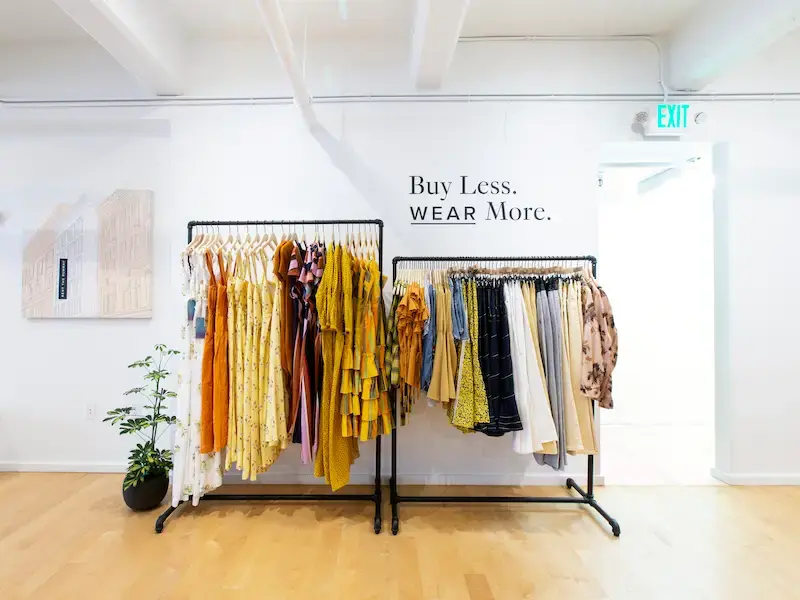
Upcycling and Recycling: Transforming Fashion Waste
Creating Something New From Something Old
Upcycling gives unwanted materials a new purpose by transforming existing fabrics, leftover materials, and damaged garments into new products. Unlike traditional disposal methods, upcycling prevents materials from becoming waste and encourages creativity within fashion design.
Many sustainable designers are using upcycling techniques to create unique garments while reducing reliance on new raw materials. This approach demonstrates that waste can become a valuable resource when clothing is designed with circularity in mind.
The Challenges of Textile Recycling
Although recycling plays an important role in the circular fashion economy, it is not a complete solution to fashion waste. Many garments contain blended fibres, such as cotton mixed with polyester, which can make recycling more complex. Improving textile recycling technology is essential, but reducing waste before it occurs remains one of the most effective approaches.
The United Nations Environment Programme explains that improving resource efficiency, reducing waste, and adopting circular approaches are essential steps towards creating a more sustainable fashion industry (United Nations Environment Programme, 2023).
Ultimately, the most sustainable garment is often the one already in your wardrobe. Repairing, rewearing, and responsibly caring for clothing should always come before replacing items unnecessarily.
Why Circular Fashion Matters to Every Customer
The circular fashion economy is not only the responsibility of brands — consumers have an important role in shaping the future of fashion. Every decision, from choosing durable clothing to repairing old favourites, can contribute towards reducing waste and supporting a more responsible industry.
Creating a sustainable wardrobe does not mean completely changing your personal style. Instead, it means becoming more aware of where clothing comes from, how it is produced, and how long it can remain in use. Choosing ethical fashion, supporting responsible brands, and selecting innovative vegan and low-impact materials are all ways customers can make more environmentally conscious choices.
As the fashion industry continues to move towards circularity, consumers have the opportunity to support a system that values quality, creativity, and responsibility over waste.
Build a More Sustainable Wardrobe With The Carbon Closet
Building a circular wardrobe begins with making informed choices about the clothing we buy and the brands we support. The Carbon Closet is a sustainable fashion platform connecting customers with carbon-conscious, ethical, vegan, and sustainable fashion brands that prioritise responsible materials, thoughtful production, and a better future for fashion. Explore The Carbon Closet to discover pieces that align with a more circular approach to clothing.
Shop from our website for circular, conscious and eco-friendly products and sign up to our newsletter to discover more about building a truly ethical wardrobe.
Enjoyed this? Here are some more articles we think you'll love:
