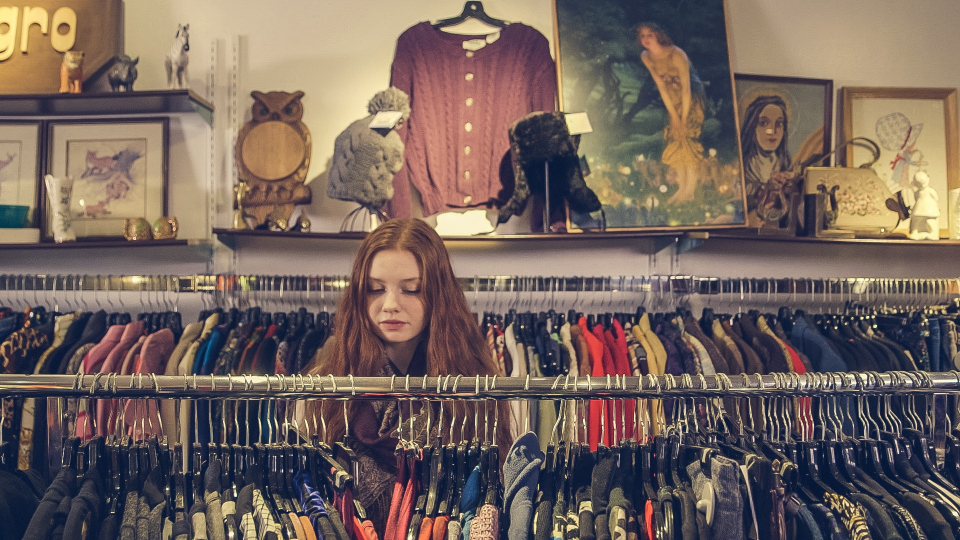
The second-hand fashion market is no longer a niche corner of the industry. Over the past few years, buying pre-loved clothing has become an increasingly popular way for consumers to reduce waste, save money and embrace more sustainable shopping habits. Now, some of the world's biggest fashion brands are taking notice by bringing second-hand clothing directly into their physical stores.
Retailers including H&M, Banana Republic and Reformation are expanding their resale offerings in-store, reflecting a major shift in how fashion businesses view circularity. Rather than treating second-hand as a separate market, brands are beginning to integrate pre-loved fashion into the traditional retail experience. While this is a positive step towards a more circular fashion industry, experts argue that resale alone cannot solve fashion's environmental challenges. Understanding why this trend matters helps consumers make more informed choices and highlights how every purchase can contribute to a more sustainable future.
Why Are Major Fashion Brands Embracing Second-Hand?
For decades, fashion retailers focused almost exclusively on selling new collections every season. Today, changing consumer expectations are encouraging brands to rethink that model. More shoppers are looking for ways to reduce their environmental impact without compromising on style, making second-hand fashion increasingly attractive.
By expanding resale into physical stores, brands are making pre-loved clothing more accessible to people who may never have considered shopping second-hand before. Customers can inspect garments in person, try them on and enjoy the familiar shopping experience of a retail store while giving existing clothing a second life.
According to recent reporting, brands including H&M, Banana Republic and Reformation are investing further in in-store resale initiatives, recognising that consumers are becoming more interested in circular fashion than ever before (The Wall Street Journal, 2026). Rather than competing with the second-hand market, many retailers now see it as an opportunity to build longer-lasting relationships with customers while responding to growing demand for more sustainable fashion options.
The Environmental Benefits of Keeping Clothes in Circulation
Extending a Garment's Life
One of the simplest ways to reduce fashion's environmental footprint is by extending the lifespan of clothing already in existence. Every additional year a garment is worn helps maximise the resources that were used to produce it in the first place.
Manufacturing new clothing requires significant amounts of raw materials, water, energy and transportation. By choosing second-hand items, consumers help reduce demand for new production while preventing perfectly wearable garments from ending up in landfill.
This approach sits at the heart of circular fashion, where products are designed, used, repaired, resold and reused for as long as possible before being recycled. (Ellen MacArthur Foundation, 2025) Rather than following the traditional "take, make and dispose" model, circular systems aim to keep valuable materials in use for much longer.
For shoppers, embracing second-hand doesn't mean sacrificing personal style. Vintage finds, quality basics and timeless wardrobe staples often remain in excellent condition, offering both environmental and financial benefits.
Resale Isn't the Complete Answer
The Challenge of Overproduction
While the growth of resale is encouraging, sustainability experts caution that it should not distract from one of fashion's biggest environmental problems: overproduction.
Millions of new garments are still manufactured every year, with many never being sold or worn. Even if second-hand shopping continues to grow rapidly, producing excessive volumes of new clothing continues to place pressure on natural resources and contributes to greenhouse gas emissions.
The Ellen MacArthur Foundation also notes that keeping garments in use for longer through reuse, repair and resale is essential, but these strategies must be combined with better product design and reduced waste across the fashion system to deliver meaningful environmental benefits (Ellen MacArthur Foundation, 2025).
Industry experts interviewed by The Wall Street Journal note that resale works best alongside wider changes, including producing fewer garments, improving product quality and designing clothing to last longer (The Wall Street Journal, 2026).
For consumers, this highlights an important message: buying second-hand is valuable, but buying less overall—and choosing higher-quality pieces when purchasing new—can have an even greater positive impact.
What This Means for Everyday Shoppers
Small Decisions Create Bigger Change
The growing popularity of resale reflects a wider cultural shift towards more mindful consumption. Whether you're purchasing second-hand, repairing existing garments or investing in responsibly made clothing, every decision helps support a more sustainable fashion industry.
Many shoppers now build wardrobes by combining pre-loved pieces with carefully selected new items from brands that prioritise ethical fashion, responsible manufacturing and lower-impact materials. This balanced approach encourages people to buy fewer, better-quality products that remain wearable for years.
For those following a vegan lifestyle, it's also worth paying attention to the materials used in second-hand clothing. While extending the life of existing garments has environmental benefits, some shoppers may prefer to avoid purchasing animal-derived materials such as leather, wool or silk. Fortunately, the growing availability of innovative vegan alternatives and responsibly produced textiles means consumers have more choices than ever before.
Ultimately, the rise of second-hand shopping demonstrates that sustainability is becoming a mainstream expectation rather than a niche trend. As more brands embrace circular fashion, consumers have increasing opportunities to reduce waste while expressing their individual style.
The Future of Circular Fashion
The expansion of second-hand clothing into high street stores signals a significant change in the fashion industry's direction. It shows that consumers increasingly value longevity, quality and responsible consumption, encouraging brands to adapt their business models accordingly.
However, creating a genuinely sustainable fashion industry will require more than simply reselling clothing. Reducing overproduction, improving transparency, investing in innovative vegan materials and designing garments with longevity in mind all remain essential parts of the solution.
As awareness continues to grow, every shopper has the opportunity to support positive change through thoughtful purchasing decisions. Whether that means choosing pre-loved clothing, repairing existing favourites or supporting ethical brands, each step contributes towards a more carbon-conscious future.
WRAP similarly highlights that extending the life of clothing through reuse, repair and better care is one of the most effective ways individuals can reduce the environmental impact of their wardrobes (WRAP UK).
Discover More Sustainable Ways to Shop
If this shift towards circular fashion has inspired you to think differently about your wardrobe, The Carbon Closet is here to help. As a platform dedicated to carbon-conscious, ethical fashion, vegan brands and more sustainable fashion choices, we make it easier to discover clothing and accessories designed with people and the planet in mind. While second-hand shopping is an important part of the circular economy, choosing well-made, responsibly produced garments that are built to last also helps create a fashion industry with a lower environmental impact.
Explore our growing collection of sustainable brands and take another step towards building a wardrobe that reflects your values. Sign up to our newsletter to stay on top of the latest fashion stories.
Explore our growing collection of sustainable brands and take another step towards building a wardrobe that reflects your values. Sign up to our newsletter to stay on top of the latest fashion stories.
Enjoyed this? Here are some more articles we think you'll love:
