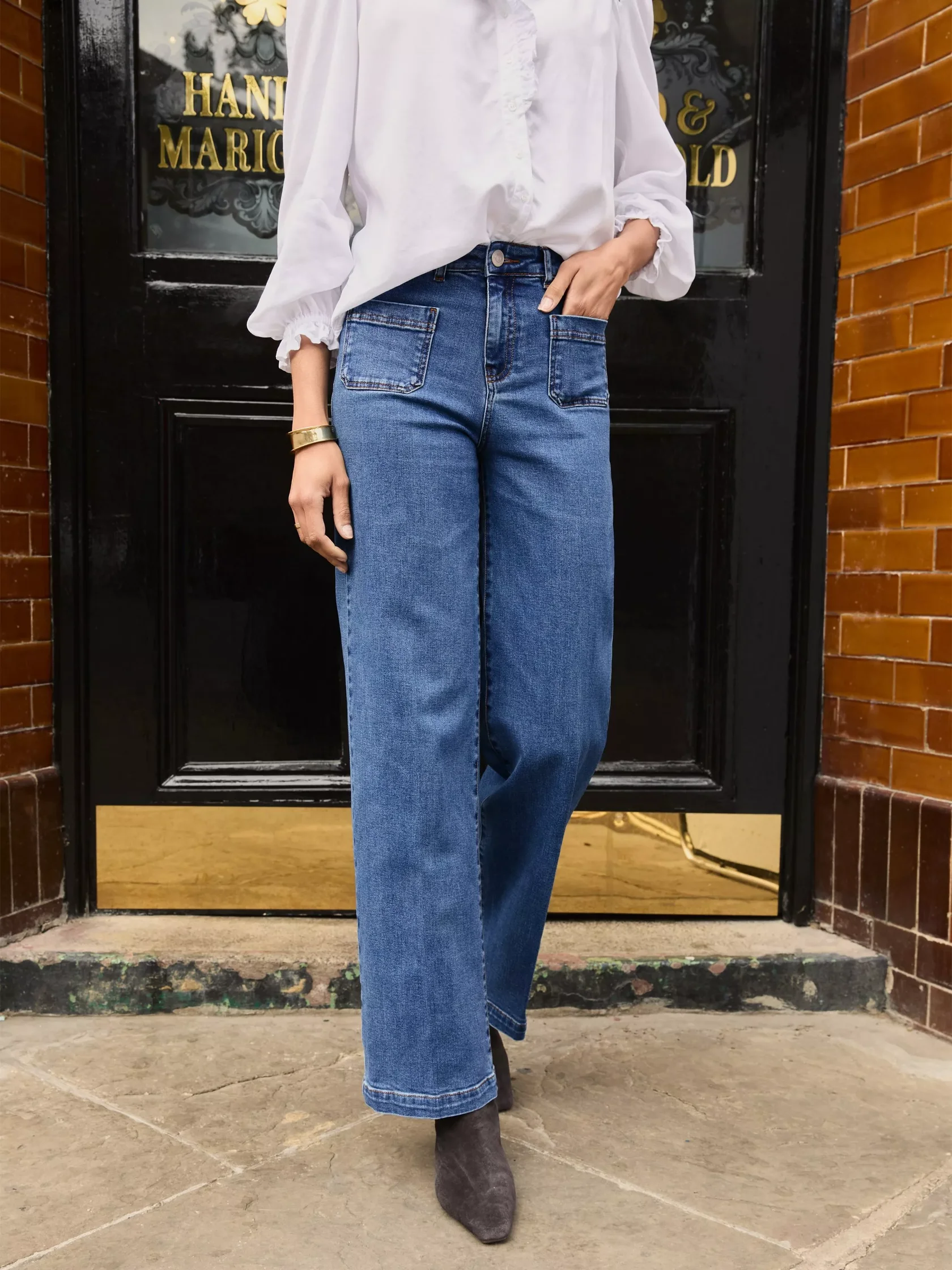
The hidden truth behind one of fashion’s most “natural” fibres
Cotton is often marketed as the gold standard of comfort, softness, and purity. Many shoppers automatically associate cotton with health, sustainability, and ethical fashion because it is a natural fibre. But the reality is far more complicated. Conventional cotton production can involve intensive pesticide use, chemical-heavy processing, enormous water consumption, and environmentally damaging farming practices.
As more consumers embrace sustainable fashion, circular fashion, vegan lifestyles, and carbon-conscious shopping habits, understanding the difference between conventional and organic cotton has become increasingly important. Whether you are buying basics, underwear, baby clothing, or luxury fashion, the choices you make affect not only your skin and health, but also farmers, ecosystems, and the future of the planet.
The Misleading “Natural Fibre” Narrative
Why conventional cotton is not automatically sustainable
Cotton may begin as a plant, but that does not mean the finished product is chemical-free. Conventional cotton is one of the most chemically dependent crops in global agriculture. Synthetic pesticides, herbicides, fertilizers, and industrial dyes are frequently used throughout the farming and manufacturing process.
The concern raised in many online discussions — including the growing conversation around “toxic cotton” — is rooted in truth, although social media posts can sometimes exaggerate claims. Historically, cotton farming relied heavily on pesticides such as toxaphene, one of the most widely used insecticides in U.S. cotton farming during the 1970s before it was banned due to environmental and health concerns.
Even today, many conventional cotton farms continue to use large amounts of agricultural chemicals. According to research highlighted by Textile Exchange and REI Expert Advice, conventional cotton farming still relies heavily on synthetic pesticides and fertilizers that can damage soil quality, pollute waterways, and affect biodiversity.
This matters because the average consumer often assumes “cotton” equals “clean.” In reality, the environmental footprint of conventional cotton can be surprisingly high.
The Environmental Cost of Conventional Cotton
Water waste, soil damage, and pollution
Beyond pesticides, conventional cotton farming places enormous pressure on natural resources. Cotton is a water-intensive crop, especially in regions already vulnerable to drought and climate stress. Large-scale irrigation systems can drain rivers, reduce groundwater supplies, and contribute to desertification.
Chemical runoff from cotton farms can also contaminate nearby ecosystems. Fertilizers and pesticides often enter rivers and groundwater, harming aquatic life and reducing soil fertility over time. This creates a damaging cycle where farms become increasingly dependent on synthetic chemicals to maintain production levels.
For consumers interested in carbon-conscious living, this is highly relevant. Fashion is already one of the world’s largest polluting industries, and fibre production is a major contributor to emissions. Conventional cotton processing — including bleaching, dyeing, and finishing — often requires significant energy and chemical inputs.
This is why sustainable fashion advocates increasingly encourage shoppers to move away from fast fashion habits and toward ethical fashion choices that prioritize transparency, lower-impact materials, and longer garment lifespans.
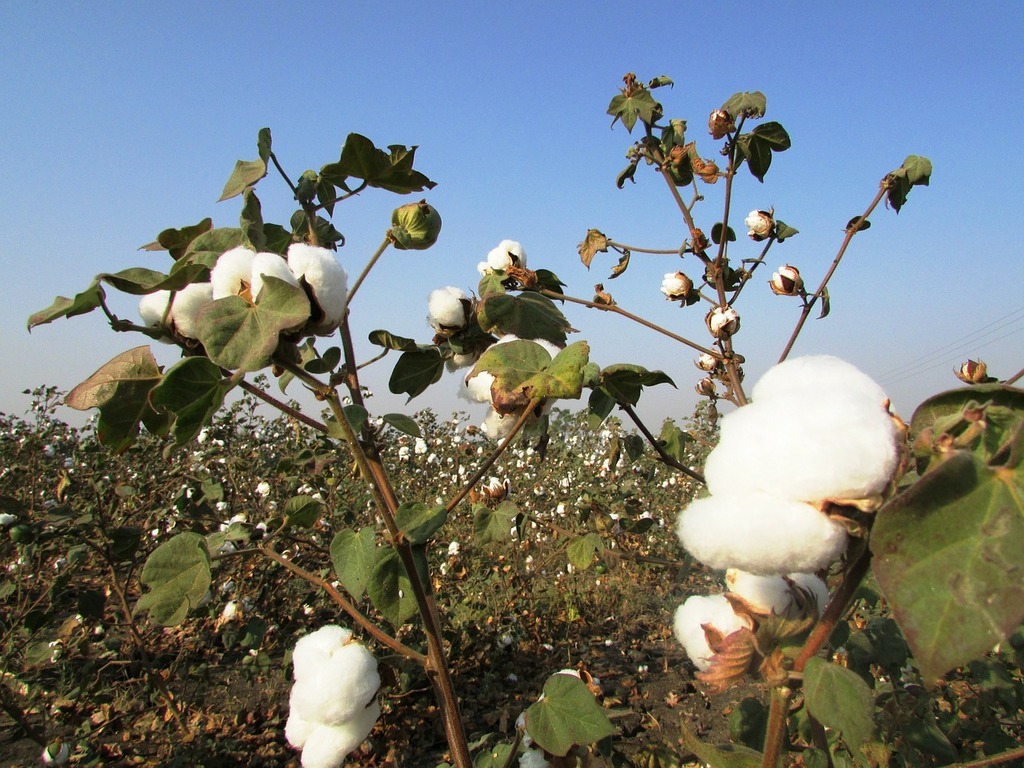
Why Organic Cotton Is Better
A cleaner alternative for people and planet
Organic cotton offers a significantly more sustainable alternative when properly certified. Unlike conventional cotton, organic cotton is grown without toxic synthetic pesticides, genetically modified seeds, or artificial fertilizers. Instead, farmers use crop rotation, composting, natural pest control, and soil-regenerating methods to maintain healthy production systems.
The environmental benefits are substantial. Organic farming practices help improve soil health, support biodiversity, reduce water contamination, and lower carbon emissions. Healthier soil also stores more carbon naturally, making organic cotton more aligned with climate-conscious and circular fashion goals.
Organic cotton can also be gentler on sensitive skin because fewer harsh chemicals are involved in production. While the finished textile may still go through processing and dyeing, certified organic systems generally maintain stricter environmental and chemical standards.
Consumers should look for trusted certifications such as GOTS (Global Organic Textile Standard) or OCS (Organic Content Standard). These labels help verify that products genuinely meet organic and ethical manufacturing requirements instead of relying on vague “green” marketing claims.
Importantly, organic cotton is not about perfection — it is about significantly reducing harm while supporting more responsible agricultural systems.
The Rise of Greenwashing in Fashion
Why shoppers must look beyond marketing
As sustainable fashion becomes more popular, many brands have started using terms like “natural,” “eco-friendly,” or “conscious” without fully changing their practices. This is known as greenwashing — when companies market products as sustainable while continuing environmentally harmful production behind the scenes.
A garment labelled “made with cotton” may still contain synthetic blends, chemical finishes, or unsustainable sourcing practices. Even some “organic cotton” products may only contain a small percentage of certified fibres.
This is why education matters. Customers today have more power than ever before, but informed decisions require transparency. Asking questions about sourcing, certifications, manufacturing, and durability helps shift the industry toward accountability.
The growing demand for ethical fashion, vegan materials, sustainable fashion marketplaces, and circular fashion systems is already encouraging brands to rethink their supply chains. Consumers are no longer only buying clothes — they are investing in values.
Buying Better, Not Just Buying More
Small changes that create long-term impact
Sustainability is not about achieving perfection overnight. Most people cannot replace their entire wardrobe with ethically sourced clothing immediately, and that is completely realistic. The goal is progress, not guilt.
Choosing fewer, better-quality garments made from organic cotton or responsibly sourced materials can reduce waste and lower fashion’s environmental impact. Repairing clothing, shopping second-hand, supporting transparent brands, and embracing circular fashion principles all contribute to a healthier industry.
Even small purchasing decisions influence the market. Every time a consumer chooses ethical fashion over fast fashion, they send a signal that sustainability matters.
Moving Towards a Cleaner Fashion Future
A more informed way to shop
Understanding why cotton is not always clean allows consumers to make more empowered decisions. Conventional cotton’s heavy reliance on chemicals, pesticides, and resource-intensive farming challenges the assumption that all natural fibres are automatically sustainable. Meanwhile, organic cotton demonstrates that fashion can move toward healthier, lower-impact systems when brands and consumers prioritize transparency and responsibility.
At The Carbon Closet, we believe sustainable fashion should feel accessible, inspiring, and empowering — not overwhelming. As a platform focused on ethical fashion, circular fashion, and carbon-conscious shopping, we are passionate about helping consumers discover better alternatives that align with both personal style and environmental values. By choosing more sustainable materials and supporting responsible brands, every shopper has the power to help shape a cleaner future for fashion.
Explore hundreds of organic cotton products on our website and sign up to our newsletter to keep learning how to build your ethical wardrobe.
Enjoyed this? Here are some more articles we think you'll love:
Sustainable Fashion Certifications Explained Simply
What Is Organic Cotton? A Complete Guide For UK Shoppers
Does Organic Cotton Shrink? How To Care For Organic Cotton Clothing
Sustainable Fashion Certifications Explained Simply
What Is Organic Cotton? A Complete Guide For UK Shoppers
Does Organic Cotton Shrink? How To Care For Organic Cotton Clothing
