The Hidden Cost of Fashion Waste: Why Brands Burn Unsold Stock
Understanding a Controversial Industry Practice
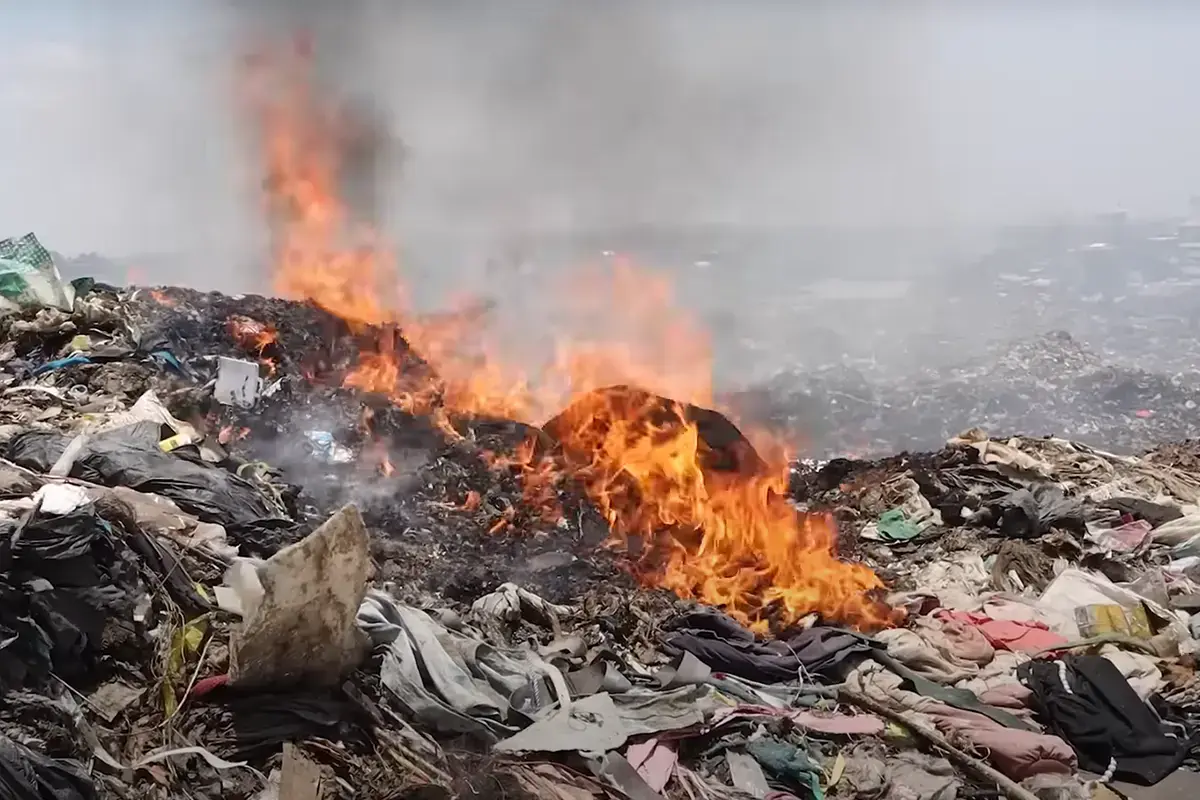
In recent years, the global fashion industry has come under scrutiny for a practice that many consumers find shocking: burning unsold stock. While it may sound extreme, several major brands have historically destroyed excess inventory to protect brand value, prevent counterfeiting, and maintain exclusivity. According to BBC reporting, luxury brand Burberry admitted in 2018 to burning millions of pounds’ worth of unsold goods, sparking widespread backlash (BBC News, 2018).
This issue is not just about corporate decisions—it directly impacts consumers, the environment, and the future of sustainable fashion. As awareness grows, understanding why this happens and how it affects you is key to making more carbon-conscious choices.
Why Do Brands Destroy Unsold Clothing?
The Economics Behind Waste
At the heart of this issue lies overproduction. Fast fashion and even luxury brands often produce more than they can sell, anticipating demand and aiming to maximise profits. When items remain unsold, companies face a dilemma: discounting products can dilute brand prestige, while storing them incurs costs.
Burning stock has historically been seen as a quick solution. According to BBC Earth, companies have justified this practice as a way to protect intellectual property and avoid flooding the market with discounted goods (BBC Earth, 2018). However, this approach prioritises short-term brand control over long-term environmental responsibility.
A System Designed for Overconsumption
This practice reflects a deeper systemic issue: a fashion model built on constant consumption. Trends change rapidly, encouraging customers to buy more frequently. Yet, when supply exceeds demand, excess stock becomes waste.
For customers, this raises important questions. Every purchase contributes to a larger system—one that may be generating far more clothing than the world actually needs.
The Environmental Impact of Burning Clothes
Carbon Emissions and Resource Waste
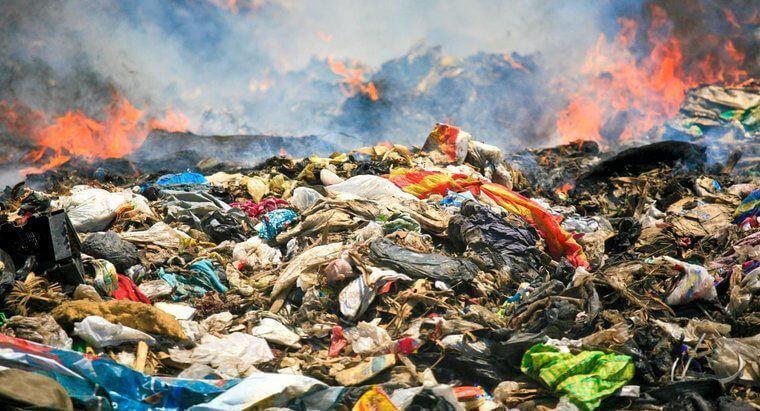
Burning unsold clothing has significant environmental consequences. Most garments are made from synthetic fibres like polyester, which release harmful greenhouse gases when incinerated. This contributes directly to climate change, making the industry less carbon-conscious.
Additionally, the resources used to create these clothes—water, energy, and raw materials—are wasted entirely. Producing a single cotton T-shirt can require thousands of litres of water. When that product is burned, all embedded resources are lost, highlighting a major inefficiency in the system.
Beyond Carbon: Pollution and Landfill Overflow
Even when clothing isn’t burned, unsold stock often ends up in landfills. Synthetic fabrics can take decades or even centuries to decompose, releasing microplastics into ecosystems.
For consumers interested in ethical fashion and sustainable fashion, this reality underscores the importance of buying thoughtfully. Each garment has a lifecycle, and understanding its end-of-life impact is essential in shifting towards circular fashion.
Why This Matters to Every Customer
Your Purchasing Power Shapes the Industry
It’s easy to assume that decisions made by global brands are beyond individual influence. However, consumer demand plays a powerful role in shaping industry practices. As more people prioritise ethical fashion, vegan materials, and sustainable fashion, brands are being pushed to reconsider wasteful habits.
The backlash against stock destruction has already led to changes. After public criticism, several companies pledged to stop burning unsold goods and explore more responsible alternatives, such as recycling or donating excess inventory.
Transparency and Accountability Are Growing
Today’s consumers expect transparency. Social media and investigative journalism have made it harder for brands to hide unsustainable practices. This shift is empowering shoppers to make informed decisions and support businesses aligned with their values.
By choosing brands that embrace circular fashion principles—such as resale, repair, and recycling—you help reduce the demand for overproduction and waste.
Solutions the Industry Can No Longer Ignore
Donation, Redistribution and Ethical Responsibility
One of the most frequently suggested solutions is straightforward: instead of destroying unsold clothing, brands could donate excess stock to those in need. On the surface, this aligns perfectly with ethical fashion values—reducing waste while supporting communities.
However, the reality is more complex. Reports have highlighted that some luxury brands deliberately destroy products to prevent them from being worn by lower-income groups, fearing it could dilute exclusivity and harm brand image (BBC News, 2018). In some cases, items are even damaged before disposal to ensure they cannot be reused.
This raises an uncomfortable but important issue for consumers: the prioritisation of brand perception over social and environmental good. For a truly sustainable fashion future, companies must move beyond these concerns and embrace responsible redistribution systems.
Circular Systems as a Long-Term Fix
Beyond donation, brands can invest in circular fashion models—resale platforms, repair services, and textile recycling programmes. These approaches keep products in use for longer and significantly reduce waste.
Adopting carbon-conscious production methods and designing garments for longevity can also minimise the need for excess stock in the first place. The shift requires innovation, but it is essential for aligning the industry with modern sustainability expectations.
Signs of Progress—But Is It Enough?
Policy Changes and Industry Shifts
There has been meaningful progress in addressing fashion waste. The European Union, for example, has taken steps to ban the destruction of unsold textiles, signalling a move toward stricter environmental accountability. This aligns with broader efforts to promote sustainable fashion and reduce the industry’s carbon footprint.
Our previous blog on the EU’s ban explores how legislation is pushing brands toward more responsible practices. However, while these developments are promising, they are not a complete solution.
The Need for Continued Action
Despite improvements, overproduction remains widespread. Many brands still operate within a linear model—produce, sell, discard—rather than embracing circular fashion systems.
To create lasting change, both companies and consumers must go further. Brands need to invest in sustainable materials, adopt carbon-conscious production methods, and prioritise transparency. Meanwhile, customers can support this shift by choosing quality over quantity and embracing alternatives like second-hand fashion.
Moving Toward a Circular Fashion Future
Redefining Value in Fashion
The concept of circular fashion offers a path forward. Instead of treating clothing as disposable, it encourages longevity, reuse, and recycling. This approach not only reduces waste but also challenges the culture of overconsumption.
For consumers, this means rethinking how we shop. Investing in durable pieces, exploring vintage options, and supporting ethical fashion brands can significantly reduce your environmental impact.
Small Choices, Big Impact
Every purchase decision matters. Choosing vegan materials, supporting sustainable fashion platforms, and reducing impulse buying all contribute to a more responsible industry.
By becoming more carbon-conscious, you’re not just changing your wardrobe—you’re influencing a global system.
Take Action: Be Part of the Change
The issue of brands burning unsold stock highlights a critical truth: the fashion industry must evolve, and consumers play a vital role in that transformation. By embracing circular fashion, supporting ethical fashion, and making carbon-conscious choices, you can help reduce waste and push the industry toward a more sustainable future.
At The Carbon Closet, we’re committed to making sustainable fashion accessible and empowering you to shop with purpose. As a platform dedicated to ethical, vegan, and circular fashion, we connect you with brands that prioritise people and the planet—so your choices truly make a difference.
Shop on our website for luxury items that prioritise our planet and sign up to our newsletter for more sustainable fashion news.
Enjoyed this? Here are some blogs we think you'll like:
