Why This Inspiring Environmental Innovation Matters to Everyone
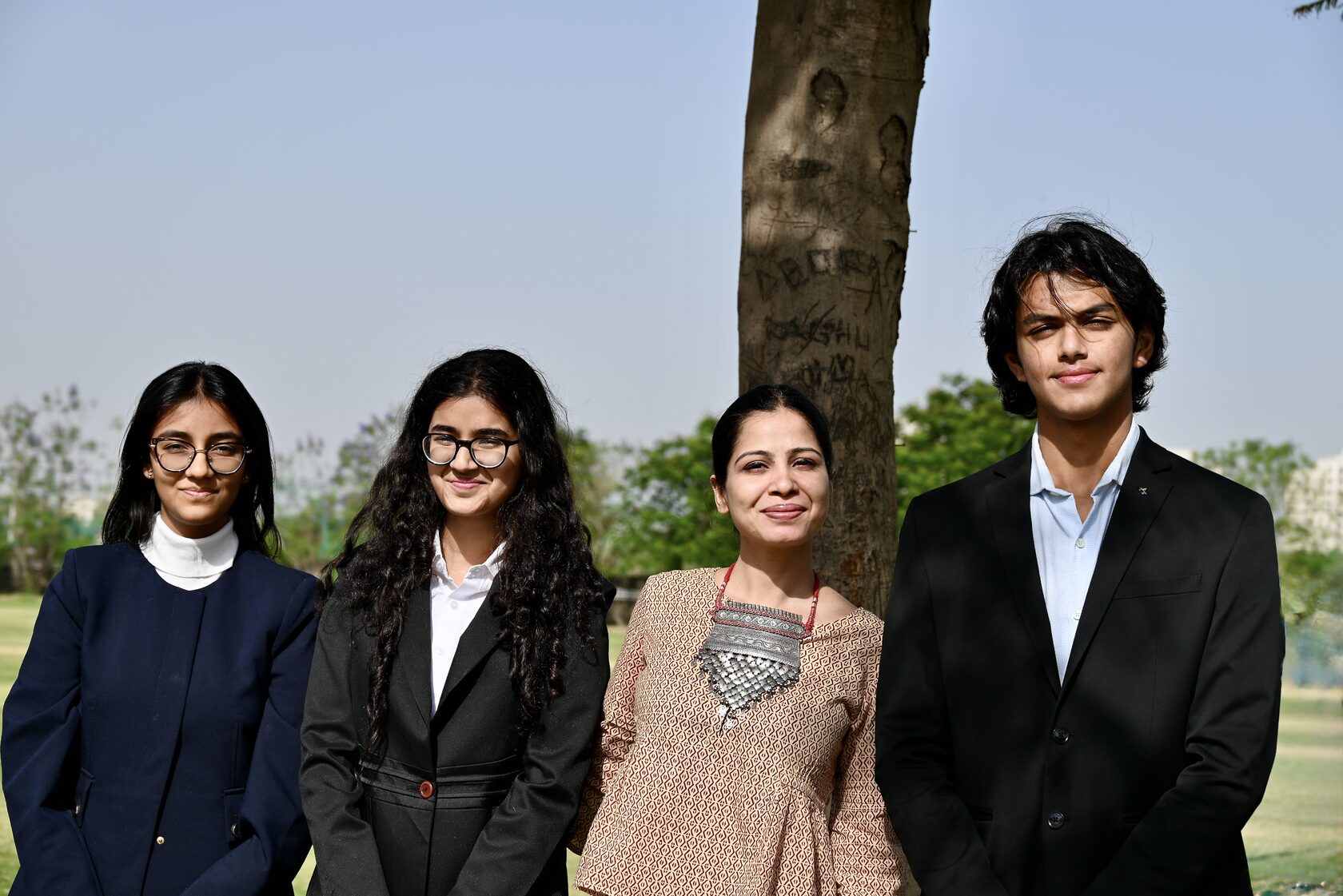
Sustainability can often feel like a challenge too large for any one person to solve. Yet three teenagers from India have proven that meaningful change can begin with a simple idea and a determination to protect the planet. In 2026, 16-year-olds Vivaan Chhawchharia, Ariana Agarwal and Avyana Mehta became the first Indian team to win The Earth Prize Global Award for their innovative solution to one of the world's growing environmental concerns: microplastic pollution in water (The Earth Prize, 2026).
Their invention, known as Plas-Stick, uses biodegradable powder made from discarded tamarind seeds to attract and remove microplastics from contaminated water. The achievement has gained international recognition not only because of its scientific creativity but because it demonstrates how the next generation is actively developing solutions for a more sustainable future (The Earth Prize, 2026; NDTV, 2026).
Understanding the Growing Threat of Microplastics
Why Clean Water Matters to Every Consumer
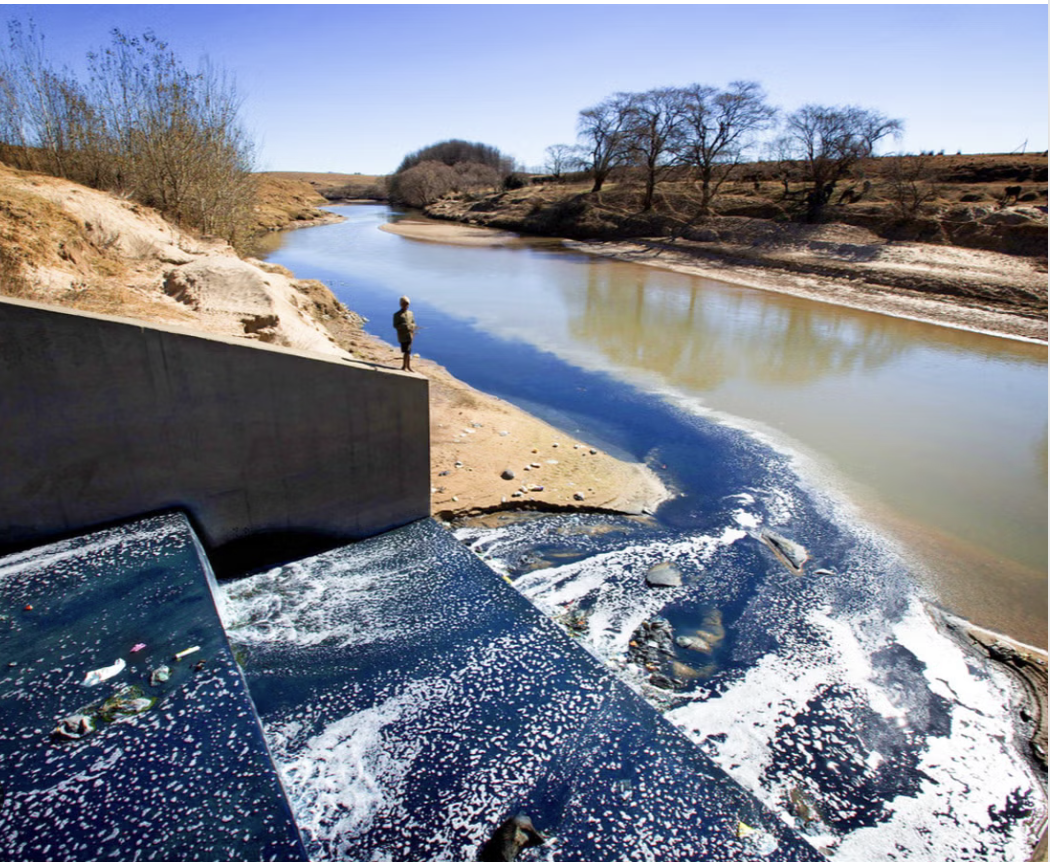
Microplastics are tiny plastic particles that can be found in rivers, oceans, soil, food and even drinking water. As plastic waste continues to accumulate globally, these microscopic fragments are becoming increasingly difficult to avoid. Scientists and environmental organisations have raised concerns about the long-term impact of microplastics on ecosystems, wildlife and human health.
This is why the work of these young innovators is so significant. Their invention addresses a global issue that affects everyone, regardless of age, location or lifestyle. Access to clean water is a fundamental necessity, yet billions of people still rely on water sources that may contain contaminants, including microplastics (The Earth Prize, 2026).
For consumers seeking a more carbon-conscious lifestyle, reducing plastic pollution is an important step towards creating healthier communities and protecting natural resources for future generations.
How Plas-Stick Turns Waste Into an Environmental Solution
A Simple Idea with Global Potential
What makes Plas-Stick particularly impressive is its simplicity. The students developed a biodegradable powder using waste tamarind seeds, a readily available agricultural by-product. When added to water, the powder binds with microplastic particles, causing them to form visible clumps that can then be removed using a handheld magnet (The Earth Prize, 2026; NDTV, 2026).
The solution does not require expensive machinery, complex infrastructure or electricity, making it potentially accessible for rural communities and regions where advanced water filtration systems are unavailable. The students were inspired after witnessing communities relying on stored drinking water without effective filtration methods, motivating them to find a practical and affordable solution (The Earth Prize, 2026).
Their innovation highlights a key principle of sustainability: finding value in materials that might otherwise be discarded and transforming them into something beneficial for society.
What This Means for the Future of Sustainability
Young Innovators Are Driving Environmental Progress
One of the most encouraging aspects of this story is the age of the inventors themselves. At just 16 years old, these students have shown that environmental leadership is not limited to governments, corporations or established scientists.
Across the world, young people are increasingly taking action on climate change, pollution and conservation. Their ideas are helping to reshape conversations around sustainability, proving that innovation can emerge from classrooms as well as laboratories.
The Earth Prize itself was created to empower young environmental changemakers aged 13 to 19 and has reached students across more than 169 countries and territories (The Earth Prize, 2026). By supporting youth-led solutions, initiatives like this help transform climate concern into practical action.
For consumers, this is a powerful message. Every sustainable choice, no matter how small, contributes to wider environmental progress. Whether reducing waste, supporting ethical fashion brands or embracing circular fashion practices, individual actions can collectively drive meaningful change.
The Connection Between Water, Waste and Sustainable Living
Sustainability Requires a Holistic Approach
While Plas-Stick focuses on water pollution, its broader lesson applies to many environmental challenges. Plastic pollution, waste management, climate change and resource consumption are all interconnected issues.
This is particularly relevant within the fashion industry. Fast fashion remains one of the largest contributors to global waste and environmental degradation. By choosing sustainable fashion, ethical fashion and vegan alternatives where possible, consumers can reduce demand for resource-intensive production methods and help minimise waste entering the environment.
Circular fashion models that prioritise reuse, repair, resale and recycling are becoming increasingly important in reducing the amount of material sent to landfill. Just as these teenagers found a way to transform waste tamarind seeds into an environmental solution, the fashion industry is discovering innovative ways to extend the life of garments and reduce its environmental footprint.
Stories like this remind us that sustainability is not about perfection. It is about creativity, collaboration and continuous improvement.
Why This Earth Prize Win Inspires Hope
A Generation Determined to Make a Difference
At a time when environmental headlines can often feel overwhelming, the success of Vivaan, Ariana and Avyana offers something invaluable: optimism. Their achievement demonstrates that young people are not simply inheriting environmental challenges; they are actively creating solutions.
The fact that their innovation has already reached thousands of students and educators through workshops and demonstrations shows how environmental awareness can spread through education and community engagement (The Earth Prize, 2026).
Perhaps most importantly, their story reminds us that sustainability is not reserved for experts. Anyone can contribute ideas, make responsible choices and support initiatives that protect our planet.
The future of sustainability depends on collective action, and this Earth Prize-winning innovation is a powerful example of what can happen when curiosity, science and purpose come together.
Looking Ahead
The success of Plas-Stick is more than a scientific breakthrough; it is a symbol of possibility. As environmental challenges continue to evolve, so too will the solutions developed by the next generation of innovators.
By supporting sustainable practices in our daily lives and encouraging young people to pursue environmental solutions, we can all play a role in building a cleaner, healthier and more resilient future.
Join the Movement Towards a More Sustainable Future
At The Carbon Closet, we believe that innovation, responsibility and conscious consumer choices are key to creating lasting environmental change. As a sustainable fashion platform dedicated to promoting sustainable fashion, ethical fashion, circular fashion and carbon-conscious living, we are proud to champion the same values demonstrated by these inspiring young Earth Prize winners. Together, through informed choices and collective action, we can help create a future where both people and the planet thrive.
Shop from our website for sustainably sources, ethically made fashion and sign up to our newsletter to stay up-to-date on more top sustainable fashion stories.
Enjoyed this? Here are some more articles we think you'll love:
