How One Short Documentary Connects Agriculture, Craftsmanship and Sustainable Fashion
The fashion industry is at a crossroads. As consumers become increasingly aware of the environmental and social impact of their clothing choices, demand for sustainable fashion, ethical fashion and carbon-conscious alternatives continues to grow. Against this backdrop, the short documentary Farm to Fashion offers a timely and inspiring look at how fashion can reconnect with its roots and embrace a more responsible future.
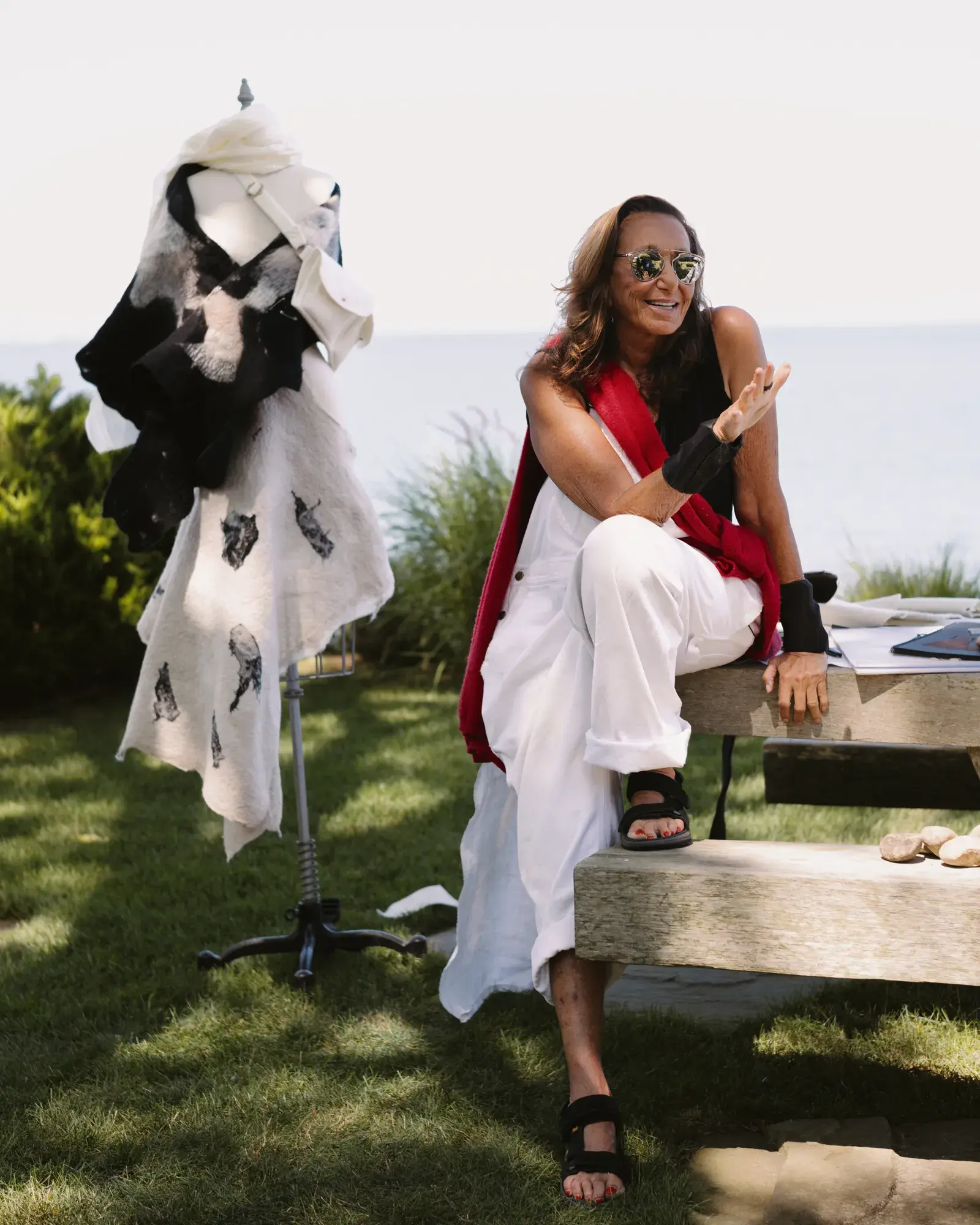
Premiering at the 2026 Tribeca Film Festival, Farm to Fashion follows the journey of wool from farms in upstate New York to high-fashion runways in Manhattan. Featuring actress and farmer Isabella Rossellini alongside renowned designers Donna Karan and Mimi Prober, the film explores how local fibres, traditional craftsmanship and regenerative agricultural practices could help reshape the future of fashion (Vogue, 2026). More than a documentary about textiles, it is a powerful reminder that every garment has a story—and that consumers play an important role in determining how those stories are written.
Why Fashion's Origins Matter More Than Ever
Understanding the Journey from Fibre to Fashion
For many consumers, clothing begins on a shop rail or arrives neatly packaged at the front door. What often remains hidden is the complex supply chain behind every garment. Farm to Fashion shines a light on this journey by tracing the path of sheep's wool from farm to finished product, highlighting the people, skills and natural resources involved in its creation (Vogue, 2026).
This transparency is increasingly important. The fashion industry is responsible for significant greenhouse gas emissions, water consumption and textile waste globally. By reconnecting fashion with agriculture and natural fibres, the film encourages viewers to think beyond trends and consider the environmental footprint of their purchases.
The message resonates with the growing movement towards circular fashion, where products are designed, used and reused in ways that minimise waste and maximise value. Understanding where materials come from is often the first step towards making more informed and sustainable choices.
The Power of Natural and Regenerative Materials
Can Wool Help Create a More Sustainable Fashion Industry?
One of the central themes of Farm to Fashion is the potential of responsibly sourced natural fibres. The documentary showcases sheep's wool as a renewable resource that can be produced through ethical farming practices while supporting local economies and biodiversity (Vogue, 2026).
Isabella Rossellini's Mama Farm serves as a key example. The farm not only raises heritage sheep breeds but also educates visitors about fibre production and sustainable land stewardship. Rossellini explains that creating beautiful products requires collaboration, care and respect for both nature and craftsmanship (Vogue, 2026).
While no material is entirely impact-free, natural fibres produced through regenerative agricultural methods can offer advantages over many synthetic alternatives derived from fossil fuels. For consumers interested in sustainable fashion, the film demonstrates how material choices influence environmental outcomes throughout a garment's lifecycle.
Importantly, the documentary encourages a broader conversation about quality over quantity—a principle that lies at the heart of slow fashion and conscious consumption.
Local Production and Craftsmanship as a Solution
Rebuilding Fashion Through Community
A standout message throughout Farm to Fashion is the value of local production. The film highlights how farmers, spinners, textile artists and designers can work together within regional supply chains to create garments that support communities while reducing transportation-related emissions (Vogue, 2026).
In an era dominated by globalised manufacturing and fast fashion, this approach offers a compelling alternative. Local production can help preserve traditional skills, strengthen rural economies and create greater accountability within the fashion system.
Designer Donna Karan describes the project as an example of how fashion can connect people, ideas and positive change (Vogue, 2026). This collaborative mindset reflects a growing industry shift towards transparency, traceability and ethical fashion practices.
For consumers, supporting brands that prioritise local sourcing, artisan craftsmanship and responsible manufacturing can help drive demand for a more resilient and sustainable industry.

What Consumers Should Take Away From the Film
Every Purchase Is a Vote for the Future
Perhaps the most powerful aspect of Farm to Fashion is its relevance to everyday consumers. The documentary does not suggest that individuals must completely transform their wardrobes overnight. Instead, it encourages viewers to become more curious about the origins of their clothing and the values behind the brands they support.
Questions such as "Who made this garment?", "What materials were used?" and "How long will I wear it?" can have a significant impact when asked consistently. These small shifts in mindset help move fashion away from disposable consumption and towards more mindful purchasing habits.
The film also highlights how sustainability is not limited to one approach. Whether consumers choose natural fibres, support ethical fashion brands, buy second-hand, invest in durable clothing, embrace vegan alternatives or participate in circular fashion initiatives, every responsible choice contributes to positive change.
Ultimately, Farm to Fashion reminds us that sustainability is not about perfection. It is about making better choices, one garment at a time.
Where Can You Watch Farm to Fashion?
Following the Film Beyond Tribeca
Farm to Fashion premiered as part of Tribeca Festival's "Shorts: Fierce Fashion" programme in June 2026 alongside other fashion-focused documentaries (Tribeca Festival, 2026). At the time of writing, the film has not yet announced a wide streaming release. However, viewers can follow updates through Tribeca Festival channels and film-discovery platforms such as MUBI, Letterboxd and JustWatch for future availability (Tribeca Festival, 2026; MUBI, 2026; JustWatch, 2026).
Given the growing interest in sustainable fashion storytelling, the documentary is likely to continue attracting attention from audiences seeking practical and inspiring solutions for the future of the industry.
Looking Ahead: Fashion Starts With Us
The future of fashion will not be shaped solely by designers, brands or policymakers—it will also be shaped by consumers. Farm to Fashion demonstrates that sustainability begins long before a garment reaches a wardrobe and that meaningful change can emerge when agriculture, craftsmanship and innovation work together.
At The Carbon Closet, we believe these ideas are more important than ever. As a sustainable fashion platform, we help consumers discover carbon-conscious, ethical fashion and circular fashion solutions that align with a more responsible future. By supporting mindful consumption and championing sustainable alternatives, we can all play a part in creating a fashion industry that values people, planet and purpose.
Shop from our website to discover thousands of ethically sourced and crafted products and sign up to our newsletter to receive more alerts for the top sustainable fashion stories.
Enjoyed this? Here are some more articles we think you'll love:
