The Hidden Cost of Cheap Clothes
When we buy a £5 T-shirt or a dress inspired by the latest trend, it's easy to focus on the bargain rather than the journey behind it. Yet the global fast fashion industry relies on a supply chain that disproportionately impacts women, making every purchasing decision more significant than many of us realise. While conversations around sustainable fashionoften centre on climate change, textile waste and carbon emissions, there is another equally important issue: human rights.
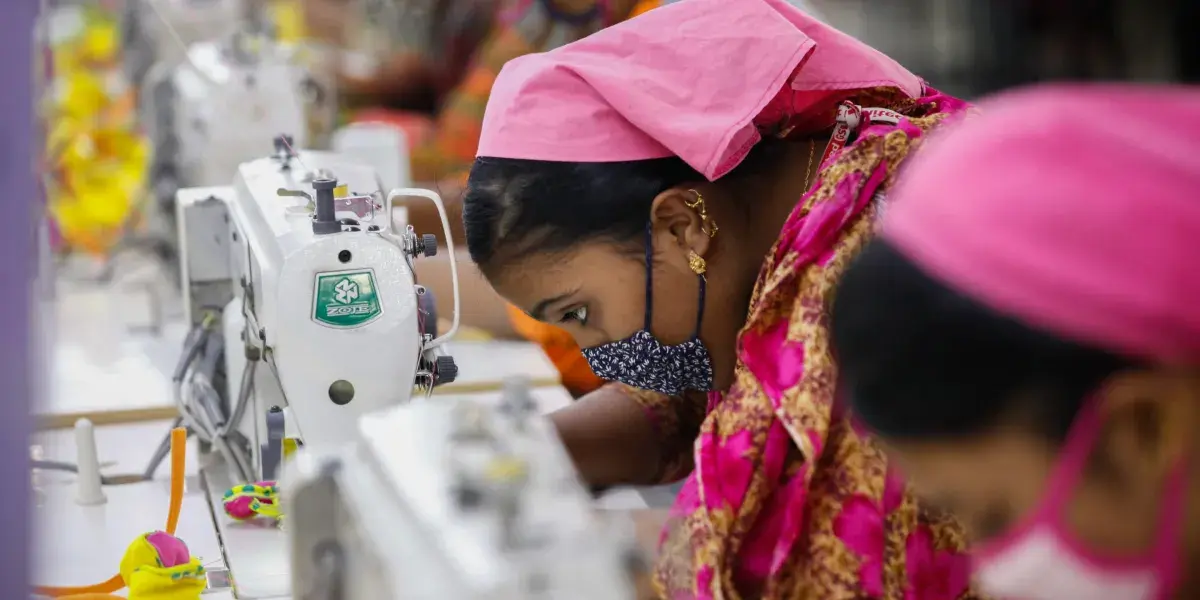
Millions of women around the world make the clothes that fill our wardrobes. They are the backbone of the global garment industry, yet many continue to face low wages, unsafe working conditions, discrimination and gender-based violence. Choosing ethical fashion, supporting circular fashion, and becoming a more carbon-conscious consumer isn't simply about protecting the environment—it is also about standing up for women's rights.
Women Power the Fashion Industry—But Often Without Power
The global garment industry employs approximately 94 million people, with women making up around 60% of the workforce worldwide. In some major garment-producing countries, women account for as much as 80% of workers. These jobs have undoubtedly provided economic opportunities for millions of women, particularly in developing economies, helping many gain financial independence for the first time. However, significant inequalities remain. (Sage Journals, 2021)
The business model that fuels fast fashion depends on producing large quantities of clothing at the lowest possible cost. To remain competitive, manufacturers often face intense pricing pressure from international brands, leaving little room to improve wages or working conditions. The result is that women, who dominate the industry's workforce, frequently bear the greatest burden.
Reports have documented widespread issues including excessive overtime, wage inequality, insecure contracts, workplace harassment, discrimination and limited opportunities for promotion into management roles. In many factories, women are expected to meet demanding production targets while balancing family responsibilities, creating a cycle of economic vulnerability that is difficult to escape. (International Labour Organisation, 2023)
Why Fast Fashion Is More Than an Environmental Problem
The environmental damage caused by fast fashion is well known, but its social impact deserves equal attention. Every time consumers demand cheaper clothing at faster speeds, brands face greater pressure to reduce production costs throughout their supply chains.
Social media posts often highlight shocking examples of exploitation, claiming garment workers earn as little as $3 per day, endure 16-hour shifts, receive minimal bathroom breaks and face unsafe conditions. While these figures can vary significantly depending on the country, factory and employer, investigations consistently show that many garment workers are still paid below what is considered a living wage and continue to experience poor working conditions and widespread labour rights violations. (International Labour Organisation, 2023)
For women, these challenges are frequently compounded by gender-based discrimination. Studies have found that women are more likely than men to be paid below minimum wage in several garment-producing countries and are disproportionately exposed to workplace harassment and violence. These are not isolated incidents but structural issues embedded within parts of the global fashion supply chain. (International Labour Organisation, 2023)
When consumers purchase clothing without considering how it was made, they may unintentionally support business practices that keep these inequalities in place.
Every Purchase Is a Vote for the Fashion Industry We Want
The encouraging news is that consumers have more influence than they often realise. Shopping habits shape the fashion industry, and growing demand for ethical fashion, vegan fashion, slow fashion, and sustainable clothing is already encouraging many brands to improve transparency and accountability.
Choosing fewer, higher-quality garments reduces demand for the rapid production cycles that characterise fast fashion. Supporting brands that publish information about their factories, wages and supply chains helps reward companies investing in fairer working conditions.
Second-hand shopping also plays an important role. Buying pre-loved clothing extends the life of garments already in circulation, reducing demand for new production while lowering textile waste. This is one of the key principles of circular fashion, where clothing is kept in use for as long as possible through resale, repair, rental and recycling.
Consumers can also look for recognised certifications and ask questions about where garments are produced, whether workers receive fair wages and how companies address gender equality within their supply chains. Greater transparency encourages greater accountability.
How to Identify Brands That Support Women's Rights
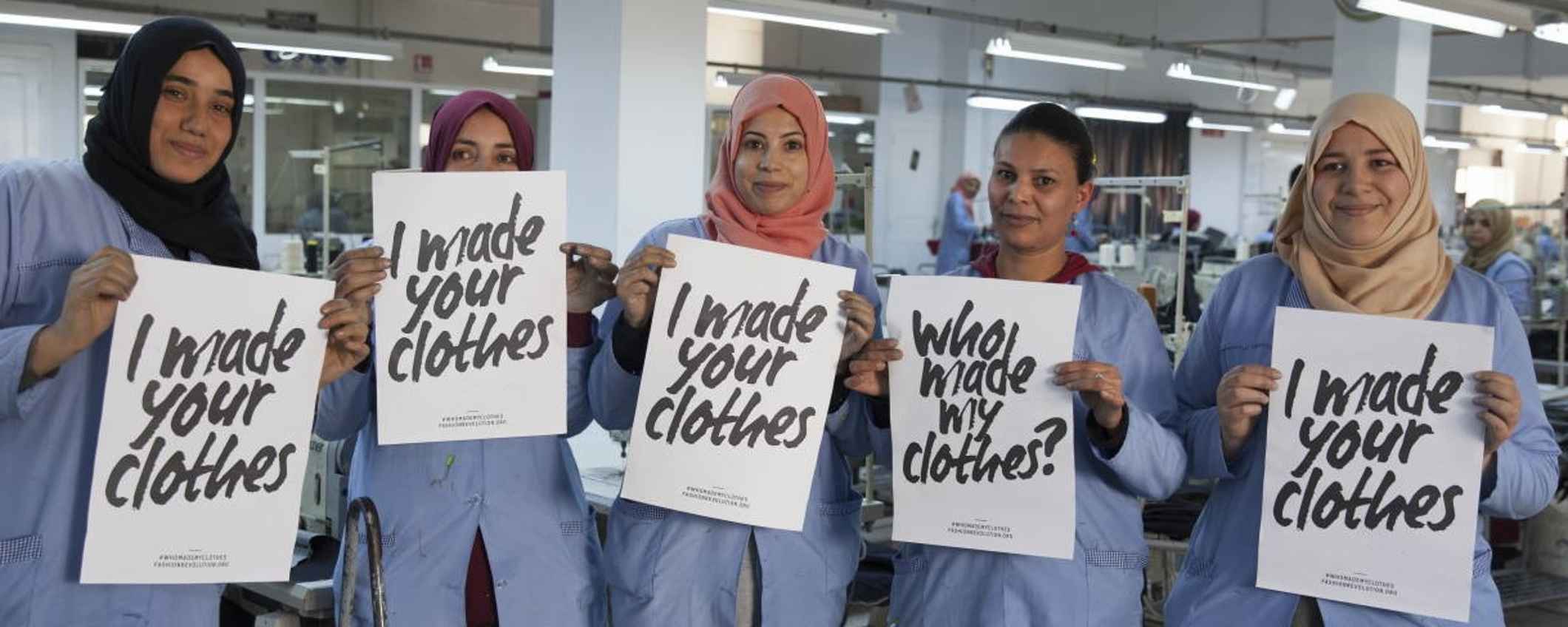
As consumers, one of the most effective ways to support women in the fashion industry is by choosing brands that are transparent about how their clothes are made. Look for recognised certifications that focus on workers' rights rather than marketing claims alone. Fairtrade Certified™ helps ensure workers receive fairer pay and better working conditions, while the Fair Wear Foundation works with brands and factories to improve labour rights, tackle workplace harassment and promote safe working environments. Another respected standard is SA8000®, which independently audits workplaces against criteria including fair wages, reasonable working hours, health and safety, freedom of association, and the prevention of child labour, forced labour and discrimination. Beyond certifications, consumers should also look for brands that openly publish information about their factories, supplier relationships and labour policies. Transparency is often one of the strongest indicators that a company is committed to protecting the women who make its clothing.
Fashion Can Empower Women—If We Choose Better
Fashion itself is not the problem. Clothing allows us to express creativity, identity and confidence. The issue lies in a production model that prioritises speed and low prices over the wellbeing of the people making our clothes.
The future of fashion depends on balancing affordability with fairness, innovation with responsibility, and style with sustainability. Governments, brands, manufacturers and consumers all have roles to play, but meaningful change begins with awareness.
When we recognise that behind every garment is a person—often a woman supporting herself and her family—we begin to see clothing differently. A dress is no longer simply a trend. A T-shirt is no longer just another purchase. They become products connected to real lives, real livelihoods and real human rights.
Supporting sustainable fashion, embracing a carbon-conscious lifestyle and choosing ethical, vegan, and circular fashion alternatives helps reduce environmental harm while contributing to a fashion industry that values dignity, equality and opportunity for the women who make our clothes.
Be Part of the Change
Every purchase sends a message about the kind of fashion industry we want to support. By choosing quality over quantity, shopping second-hand, investing in ethically made clothing and extending the life of the garments we already own, we can all help build a fairer and more sustainable future.
The Carbon Closet is proud to support this movement by making sustainable fashion more accessible through a platform dedicated to circular fashion and carbon-conscious shopping. Together, we can reduce fashion's environmental impact while supporting a future where style never comes at the expense of women's rights.
Shop from our website for only the most ethically produced fashion and sign up to our newsletter to stay informed on how to create a sustainable wardrobe
Enjoyed this? Here are some more articles we think you'll love:
