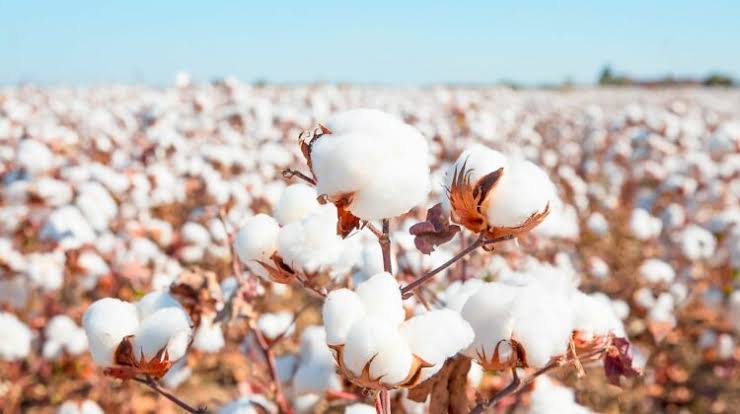
As consumers become more aware of the environmental impact of the clothes they buy, terms like sustainable fashion, ethical fashion, carbon-conscious, and circular fashion have become part of everyday conversations. Yet one area of fashion remains widely misunderstood: cotton blends.
At first glance, cotton blended with synthetic fibres such as polyester or elastane may seem like a practical choice. These fabrics are often softer, stretchier, more durable and less expensive than 100% natural alternatives. However, beneath these benefits lies a significant sustainability challenge that affects the entire lifecycle of a garment. Understanding why cotton blends create environmental problems empowers every shopper to make more informed purchasing decisions and support a truly circular fashion industry.
Why Cotton Blends Create a Recycling Problem
Mixed fibres are incredibly difficult to separate
One of the biggest sustainability issues surrounding cotton blends is that they are extremely difficult to recycle. Most blended fabrics combine natural cotton with synthetic fibres such as polyester, nylon or elastane. While these materials work well together in a garment, separating them once the clothing reaches the end of its life is both technically challenging and expensive.
Because current recycling infrastructure cannot efficiently separate blended fibres at scale, many blended garments are either downcycled into lower-value products or sent to landfill or incineration instead (Textile Exchange, 2021; Textile Exchange, 2023). This prevents clothing from remaining within a circular fashion system, where fibres are continually reused rather than discarded.
As World Collective explains, "Clothing made from blended fabrics like cotton and elastane is common and hard to recycle, leading to increased landfill waste" (World Collective, 2025, quoting Environmental Health News). Rather than creating a closed-loop system, blended textiles often become a dead end for valuable materials.
The Hidden Environmental Cost of Synthetic Fibres
More than just plastic in your clothing
Most cotton blends rely on petroleum-based synthetic fibres to improve stretch, durability or wrinkle resistance. Polyester alone now accounts for more than half of global fibre production, and virgin synthetic fibre production continues to grow each year (Textile Exchange, 2023).
Unlike natural fibres, synthetic materials are made from fossil fuels and require energy-intensive manufacturing processes. They also release microplastic fibres every time they are washed. These microscopic plastics pass through wastewater systems and eventually enter rivers, oceans and even the food chain, where they persist for decades.
While blended fabrics can sometimes extend the lifespan of a garment, they also lock fossil fuel-derived materials into clothing that becomes significantly harder to recycle at the end of its use. This creates a trade-off that consumers should carefully consider when shopping for more carbon-conscious wardrobes.
World Collective acknowledges this complexity, noting that blends may improve durability but "certainly... don't diminish the environmental effects of blends, particularly the release of microplastics during laundering."
Is 100% Cotton the Better Choice?
Only if it's organic
Although pure cotton is generally easier to recycle than blended fabrics, conventional cotton should not automatically be considered sustainable.
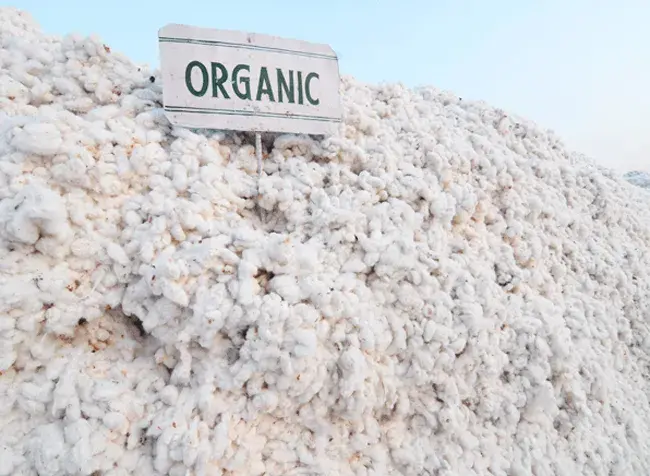
Conventional cotton farming is associated with intensive water consumption, heavy pesticide use and significant fertiliser inputs, all of which can harm ecosystems and biodiversity (Textile Exchange, Materials Portfolio). Organic cotton offers a more responsible alternative by avoiding synthetic pesticides and fertilisers while supporting healthier soils and improved farming practices.
For consumers looking to embrace ethical fashion, choosing certified organic cotton is usually a far better option than conventional cotton or cotton blended with synthetic fibres.
Why Material Choices Matter More Than Ever
Every purchase shapes the future of fashion
Fashion's environmental impact begins long before clothing reaches our wardrobes. The fibres chosen by brands determine how easily garments can be repaired, reused and recycled decades later.
The fashion industry is increasingly recognising that future sustainability depends on designing products with their entire lifecycle in mind. Textile Exchange encourages brands to move towards preferred materials such as organic, regenerative and recycled fibres while reducing dependence on virgin fossil-based synthetics.
World Collective also highlights an important nuance: carefully designed blends can improve durability, comfort and accessibility, making clothing last longer. However, transparency is essential. Brands should openly communicate why specific fibre combinations are used and acknowledge the environmental trade-offs rather than presenting blended fabrics as automatically sustainable.
For shoppers, this means looking beyond marketing claims. Reading fibre labels, understanding certifications and investing in quality garments made from responsibly sourced materials all contribute towards a more sustainable fashion industry.
Choosing fewer, better-made pieces made from recyclable materials helps reduce textile waste, supports circular fashion systems and lowers the overall carbon footprint of our wardrobes. Every purchasing decision sends a message about the kind of fashion industry consumers want to support.
Choose Clothes That Have a Future
Building a more sustainable wardrobe isn't about achieving perfection—it's about making informed choices that reduce waste and support a healthier planet. By avoiding unnecessary cotton blends, prioritising certified organic cotton and choosing garments designed for longevity and recyclability, every consumer can play a role in creating a more circular, ethical and carbon-conscious fashion industry.
At The Carbon Closet, we believe sustainable fashion starts with informed decisions. As a platform dedicated to making ethical, vegan and carbon-conscious fashion more accessible, we help shoppers discover clothing that aligns with both their values and the future of our planet. Together, we can support a fashion industry where every garment is designed to last—and where nothing valuable ends up going to waste.
Shop from our website for organic cotton clothing, amongst hundreds of other sustainable alternatives and sign up to our newsletter to stay informed on how to unlock your full conscious-closet potential.
Enjoyed this? Here are some more articles we think you'll love:
