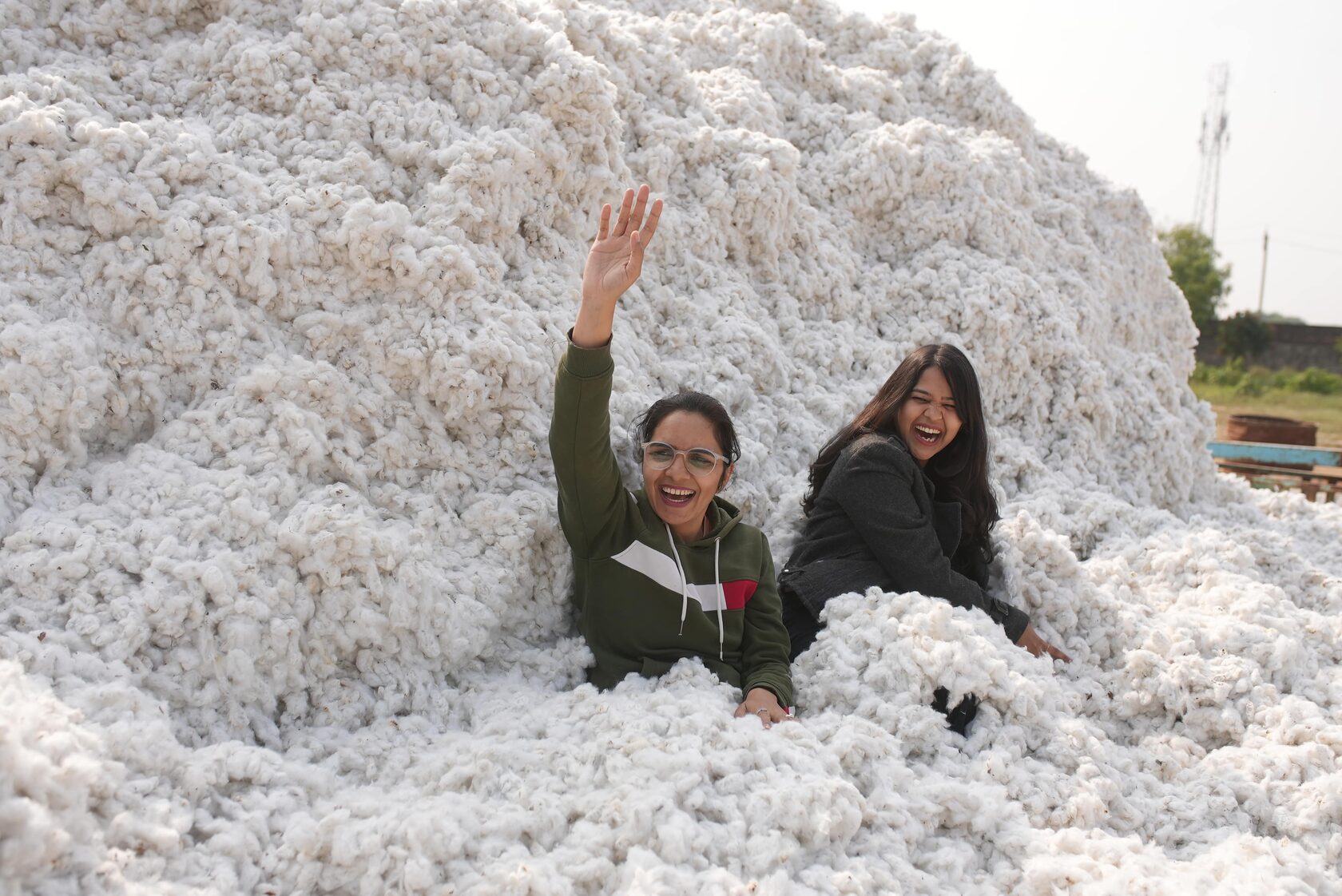
Can Fashion Start in the Soil?
When we think about sustainable fashion, we often focus on recycled materials, ethical manufacturing or circular fashion. However, one of the most important conversations is happening much earlier in the supply chain—on the farm.
Many of the world's most widely used natural fibres, including cotton, hemp and linen, begin with agriculture. How these crops are grown can have a significant impact on biodiversity, water quality, soil health and greenhouse gas emissions. As the fashion industry searches for more responsible ways to produce clothing, regenerative agriculture is emerging as a promising solution.
But what exactly is regenerative fashion, and how does it differ from organic farming? By understanding the role healthy soils play in producing textiles, consumers can make more informed decisions about the clothes they buy and support a fashion industry that works with nature rather than against it.
What Is Regenerative Fashion?
Looking Beyond Sustainable Materials
Regenerative fashion refers to clothing made using fibres grown through regenerative agriculture—a farming approach that aims not only to reduce environmental harm but also to actively restore ecosystems.
Rather than focusing solely on producing crops, regenerative farming works to improve soil health, increase biodiversity, protect water systems and strengthen the resilience of farmland over time. Practices can include planting cover crops, reducing soil disturbance, rotating crops, integrating livestock where appropriate, and minimising synthetic fertilisers and pesticides (Textile Exchange, 2025).
For fashion, this means fibres such as cotton, hemp and flax can be produced in ways that help regenerate the land they come from. As a result, regenerative fashion is becoming an increasingly important part of discussions around carbon-conscious, ethical fashion and the future of sustainable fashion.
Regenerative vs Organic Farming: What's the Difference?
Similar Goals, Different Approaches
Organic farming and regenerative farming are often mentioned together, but they are not the same.
Organic farming follows certified standards that restrict the use of synthetic pesticides, fertilisers and genetically modified organisms. These practices help reduce pollution and encourage healthier ecosystems.
Regenerative agriculture shares many of these principles but places greater emphasis on improving the health of the entire farming system. Instead of simply avoiding harmful inputs, regenerative farming aims to rebuild soil, increase biodiversity and improve the land's ability to store carbon and retain water (Soil Association; Textile Exchange, 2025).
It is also worth noting that regenerative farming is not always certified in the same way organic farming is. Different organisations have developed their own frameworks and standards, making transparency from brands particularly important when regenerative claims are made.
Why Regenerative Cotton Matters
Improving One of Fashion's Most Important Fibres
Cotton is one of the most widely used fibres in the fashion industry, but conventional cotton farming can contribute to soil degradation, water consumption and biodiversity loss when poorly managed.
Regenerative cotton seeks to address these challenges by improving how cotton is grown. Farmers may use cover crops to protect the soil, rotate crops to naturally improve fertility and reduce erosion, and encourage healthy ecosystems that support pollinators and wildlife.
Healthy soils are also better able to absorb rainfall, reducing runoff and making farms more resilient during periods of drought. This can benefit both farming communities and surrounding ecosystems.
Organisations including Textile Exchange have identified regenerative agriculture as an important opportunity for improving the long-term sustainability of natural fibres and strengthening climate resilience across fashion supply chains (Textile Exchange, 2025).
Can Healthy Soil Help Capture Carbon?
Understanding the Climate Potential
One of the most talked-about benefits of regenerative agriculture is its potential to increase the amount of carbon stored in healthy soils.
Plants naturally absorb carbon dioxide from the atmosphere during photosynthesis. Some of this carbon becomes stored within the soil through plant roots and organic matter. Farming practices that minimise soil disturbance and encourage healthy plant growth may help maintain or increase these soil carbon stores (FAO, 2024).
While scientists generally agree that healthy soils play an important role in climate resilience, many also emphasise that regenerative agriculture should not be viewed as a standalone solution to climate change. The amount of carbon that can be stored varies depending on soil type, climate, farming practices and long-term land management (IPCC, 2023).
For consumers, the key takeaway is that regenerative farming offers multiple environmental benefits beyond carbon, including healthier soils, greater biodiversity and improved water management.
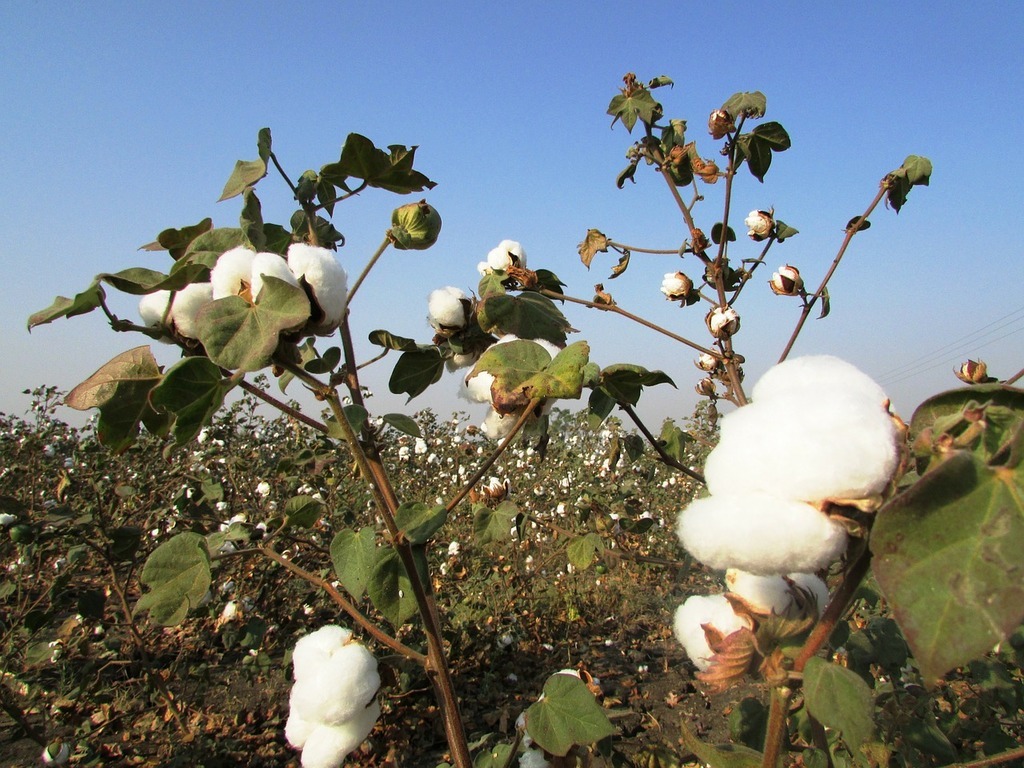
Why Regenerative Fashion Matters for Consumers
Supporting a More Resilient Fashion Industry
Choosing regenerative fashion is about supporting farming systems that prioritise the long-term health of the land alongside responsible fibre production.
As more fashion brands invest in regenerative cotton and other responsibly grown fibres, consumers have an opportunity to encourage positive change through their purchasing decisions. Looking for transparency around sourcing, farming practices and supply chains can help shoppers identify brands that are making meaningful progress.
Regenerative fashion also complements other important sustainability approaches, including circular fashion, responsible manufacturing and innovative vegan materials. Together, these strategies help reduce fashion's environmental footprint while encouraging a more resilient and responsible industry.
Although regenerative agriculture is still developing, it represents an encouraging shift towards viewing clothing not simply as a finished product, but as something that begins with healthy ecosystems and thriving farmland.
Discover More Sustainable Fashion Choices
Every purchase has the potential to support a more responsible fashion industry. At The Carbon Closet, we make it easier to discover carbon-conscious, ethical fashion and vegan brands that are committed to more sustainable fashionpractices. Whether you're exploring responsibly sourced natural fibres, innovative plant-based materials or timeless wardrobe staples, our platform helps you shop with confidence while supporting brands working towards a better future for people and the planet.
Shop our website for organic cotton, organic linen, regenerative cotton and hundreds more eco- materials. Sign up to our website to stay informed on all the latest sustainable fashion tips and stories.
Enjoyed this? Here are some more articles we think you'll love:
