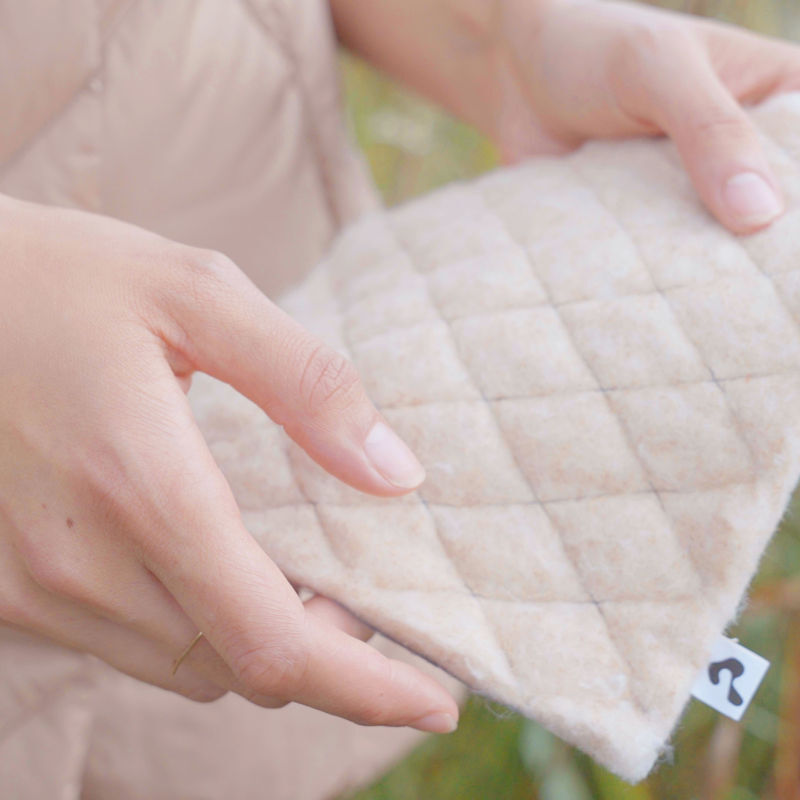
As consumers become increasingly aware of the environmental impact of their wardrobes, innovation within sustainable fashion has never been more important. From recycled fibres to biodegradable textiles, the industry is constantly searching for alternatives that reduce its reliance on fossil fuels and animal-derived materials. One of the most exciting developments is BioPuff®, an innovative plant-based insulation created by UK biomaterials company Ponda. Made from bulrush (Typha), this revolutionary material offers a carbon-conscious alternative to both synthetic insulation and traditional goose down while actively supporting wetland restoration.
For anyone looking to embrace ethical fashion, vegan clothing and circular fashion principles, BioPuff represents far more than another sustainable fabric. It demonstrates how fashion materials can help restore ecosystems rather than simply reduce environmental harm.
What is BioPuff and Why Does It Matter?
A New Generation of Plant-Based Insulation
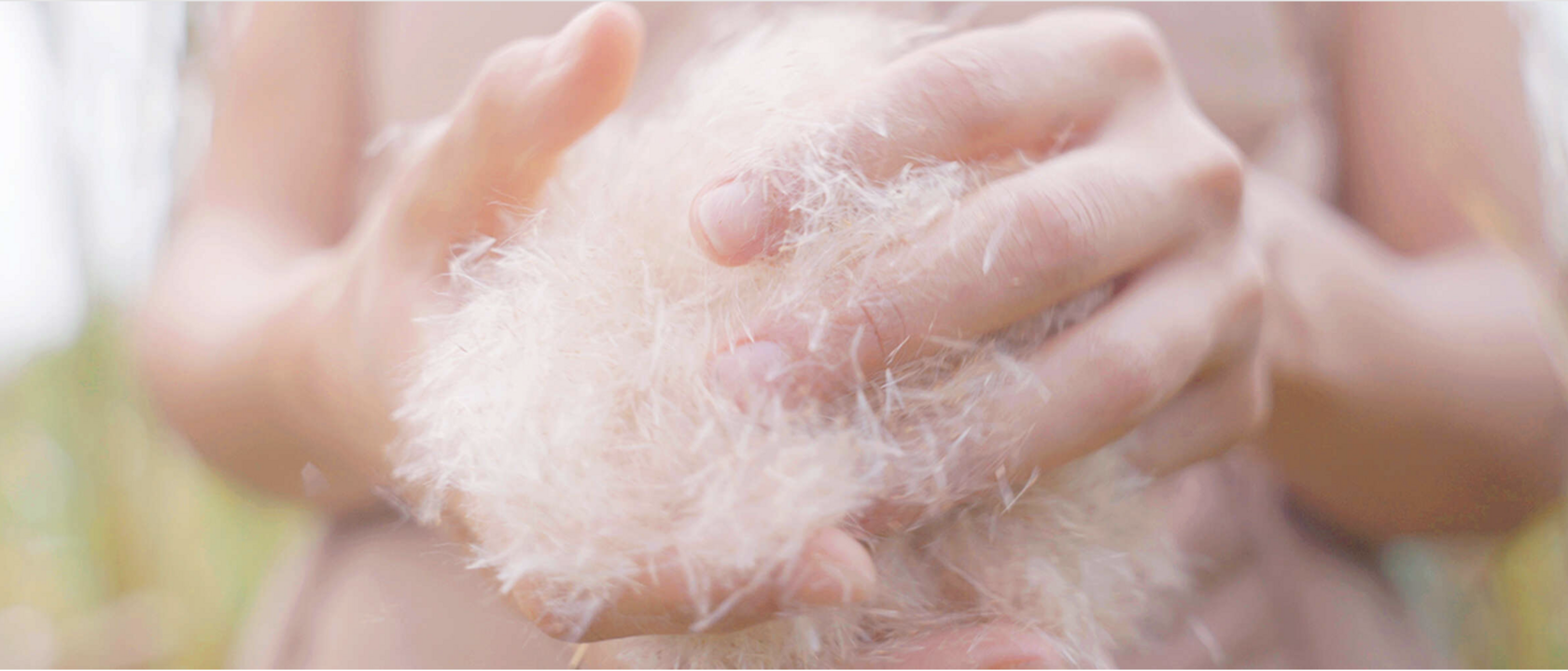
BioPuff® is a lightweight insulation material produced using fibres extracted from Typha, commonly known as bulrush or cattail. Unlike conventional polyester insulation, which relies on petroleum, or goose down, which depends on animal agriculture, BioPuff is entirely plant-based and cruelty-free (Imperial College London, 2026).
What makes the innovation particularly significant is where the bulrush is grown. Ponda cultivates Typha through paludiculture—the practice of farming crops on rewetted peatlands. Rather than draining wetlands for agriculture, this approach restores these valuable ecosystems while creating a renewable raw material for fashion (Lipkens, 2025).
The result is an insulation material that offers warmth, breathability and water resistance comparable to conventional alternatives while supporting a far more regenerative production system (Imperial College London, 2026).
Why Healthy Wetlands Matter for the Climate
Fashion Can Help Restore Nature
Wetlands are among the planet's most valuable natural carbon stores. Although peatlands cover only around 3% of Earth's land surface, they store more carbon than all of the world's forests combined. When drained, however, they begin releasing vast amounts of stored carbon dioxide into the atmosphere, contributing significantly to climate change (Lipkens, 2025).
By growing bulrush on rewetted peatlands, BioPuff helps keep these landscapes healthy while encouraging biodiversity, improving water quality and reducing flood risk. Instead of extracting resources from nature, this regenerative farming model allows fashion production to become part of environmental restoration.
This is a major shift for the sustainable fashion industry. Traditionally, brands have focused on reducing damage. BioPuff introduces the possibility of creating clothing that actively contributes to positive environmental outcomes, aligning perfectly with the principles of circular fashion and carbon-conscious consumerism (Imperial College London, 2026).
Replacing Down and Synthetic Fillings
Better Choices Without Compromise
Many insulated jackets today rely on either polyester fibres or goose down. Polyester insulation is durable but originates from fossil fuels and contributes to microplastic pollution throughout its lifecycle. Goose down provides excellent warmth but raises ongoing concerns surrounding animal welfare, traceability and ethical sourcing.
BioPuff offers an alternative that addresses both issues simultaneously. As a vegan, bio-based insulation, it removes the need for animal-derived materials while reducing dependence on virgin petroleum products. According to Ponda, BioPuff has been designed to match the performance consumers expect from premium insulated garments while remaining lightweight, breathable and naturally water-repellent (Ponda, 2026).
The material has already attracted collaborations with globally recognised brands including Stella McCartney, Berghaus and Parley for the Oceans, demonstrating growing confidence that sustainable innovation can meet commercial performance standards (Imperial College London, 2026).
For shoppers, this means choosing outerwear that reflects their values without sacrificing comfort, durability or functionality.
Why Every Consumer Should Care
Small Purchases Can Support Bigger Change
The fashion industry's environmental footprint begins long before garments reach our wardrobes. Research suggests that material sourcing accounts for the majority of fashion's environmental impact, making innovations like BioPuff especially significant (RE, 2026).
Every purchasing decision sends a signal to brands about the future consumers want to support. Choosing garments made with regenerative materials encourages investment in cleaner supply chains, lower-carbon production methods and biodiversity restoration.
Consumers today increasingly seek transparency, ethical fashion practices and products that genuinely reduce environmental impact rather than relying on vague sustainability claims. BioPuff demonstrates how innovation can create measurable benefits across multiple areas, from carbon storage and habitat restoration to reduced reliance on synthetic and animal-based materials.
As demand for sustainable fashion continues to grow, regenerative materials are likely to play an increasingly important role in creating wardrobes that are both stylish and environmentally responsible.
The Future of Sustainable Fashion Starts with Better Materials
Innovation That Goes Beyond Sustainability
The next generation of sustainable fashion is not simply about producing less—it is about producing better. Materials like BioPuff show that clothing can become part of wider climate solutions by supporting healthy ecosystems, reducing emissions and encouraging more responsible land management.
As innovations continue to emerge, consumers have more opportunities than ever to choose products aligned with carbon-conscious lifestyles, circular fashion principles and vegan values. Every purchase becomes an opportunity to support businesses investing in genuine environmental progress rather than short-term trends.
Discover More Sustainable Fashion with The Carbon Closet
Finding innovative materials like BioPuff is becoming easier as more brands embrace ethical fashion and sustainable design. At The Carbon Closet, we believe informed consumers have the power to transform the fashion industry. As a sustainable fashion platform, we help shoppers discover carbon-conscious brands, innovative materials, circular fashion solutions and ethical alternatives that make every purchase count. Together, we can build wardrobes that not only look good but also contribute to a healthier future for people and the planet.
Shop our website for similar, circular and vegan materials and sign up to our newsletter to find out about more innovative, sustainable alternatives.
Enjoyed this? Here are some more articles we think you'll love:
