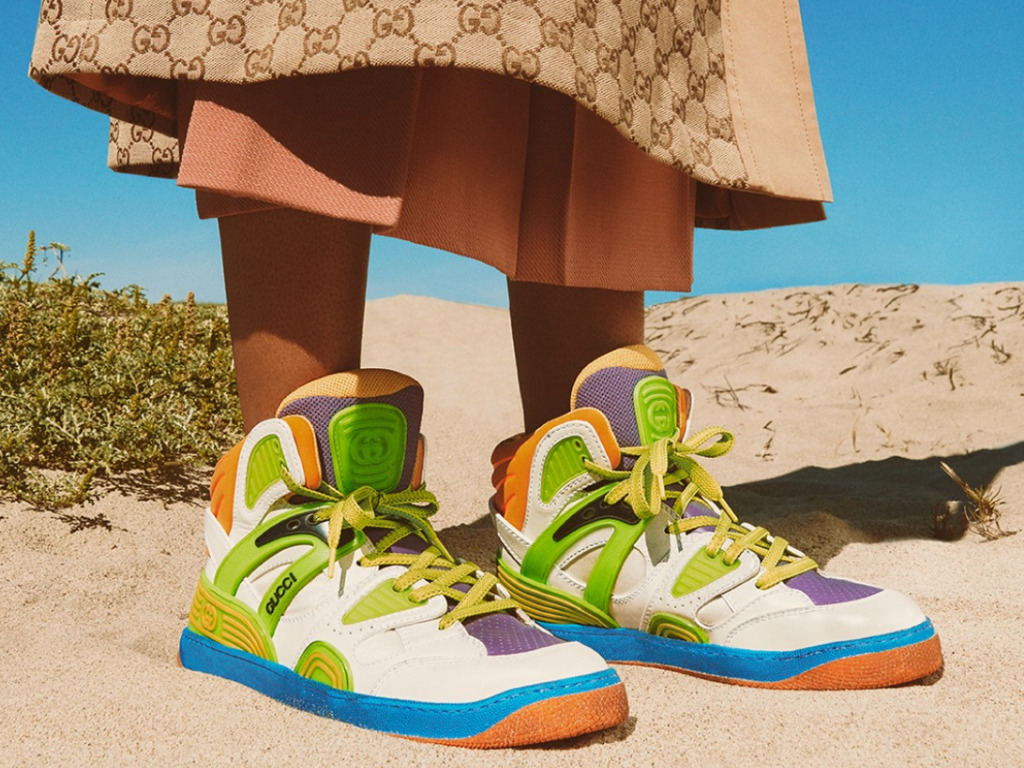
Why One of Luxury Fashion’s Biggest Players Is Rethinking Leather
The fashion industry is experiencing a major transformation as brands face growing pressure to reduce their environmental impact and meet the expectations of increasingly conscious consumers. One of the most significant developments comes from Kering, the global luxury group behind some of the world’s most recognisable fashion houses. The company has announced plans to reduce its reliance on animal-derived leather by 30% by 2028 while significantly increasing its use of alternative and next-generation materials. This move represents more than a business strategy; it reflects a wider shift towards sustainable fashion, ethical fashion, circular fashion principles, and carbon-conscious consumerism.
For shoppers, this change matters because the materials used to create luxury products have a direct impact on climate emissions, biodiversity, animal welfare, and resource consumption. As consumers become more aware of the environmental cost of fashion, Kering’s commitment signals that sustainability is no longer a niche concern but a core part of the industry's future.
Who Is Kering and Why Does Its Decision Matter?
A Global Luxury Fashion Leader
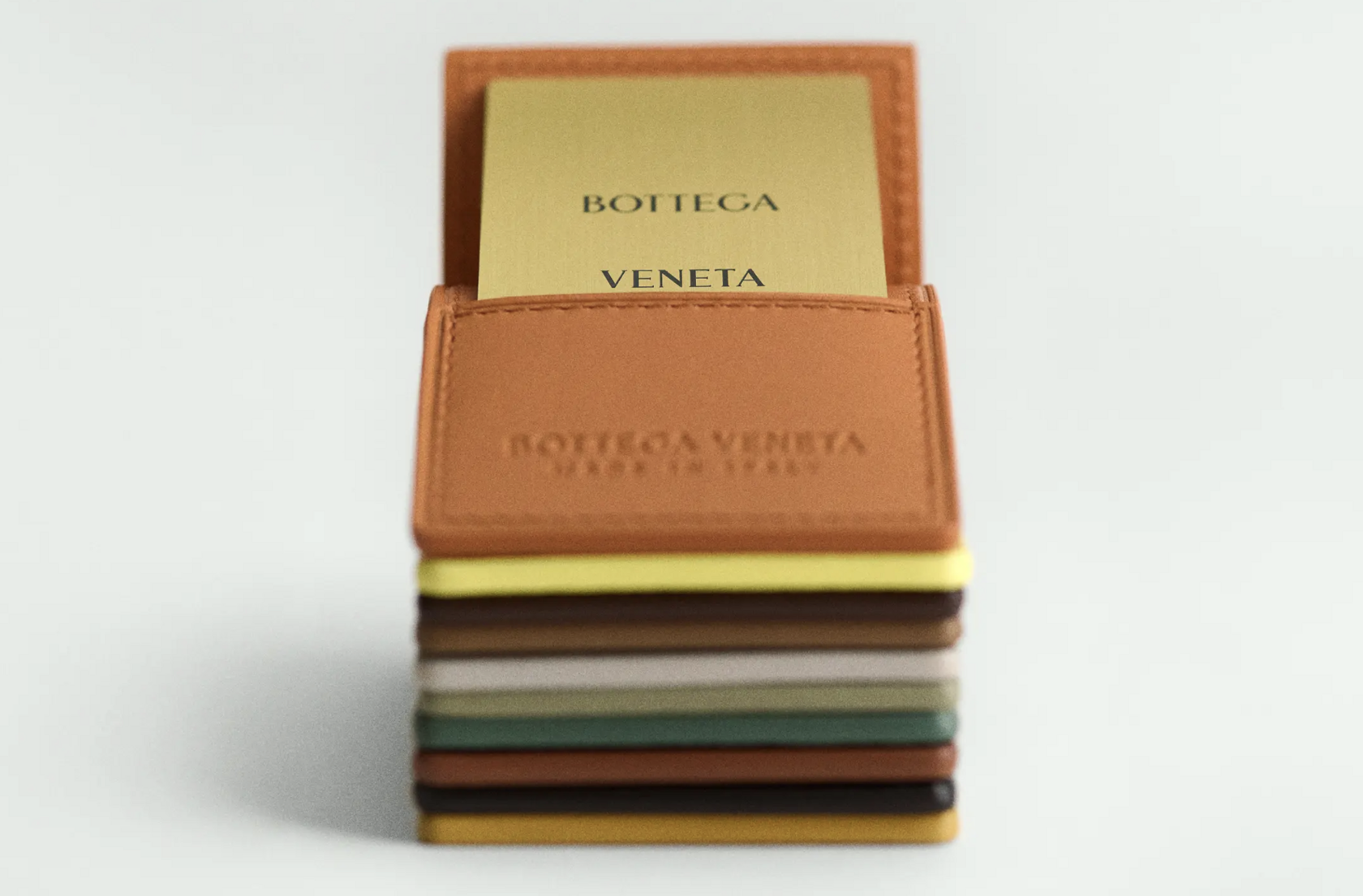
Kering is one of the largest luxury groups in the world, owning prestigious brands including Gucci, Saint Laurent, Bottega Veneta, Balenciaga, Alexander McQueen, Brioni, and Boucheron. With such influential brands under its umbrella, Kering has the power to shape trends, consumer expectations, and industry standards on a global scale.
The company has long positioned itself as a leader in sustainability. In recent years, Kering has invested heavily in responsible sourcing, regenerative agriculture, traceability, and innovative materials. Its latest sustainability targets include reducing leather intensity by 30% by 2028 and increasing the use of alternative materials to 40% by 2035 (Kering, 2026).
When a luxury giant of this size changes direction, suppliers, competitors, and consumers often follow. This makes Kering's shift towards vegan and alternative leather one of the most important sustainability developments in fashion today.
The Environmental Impact of Traditional Leather
Why Leather Is Under Scrutiny
Leather has long been associated with durability, craftsmanship, and luxury. However, its environmental footprint has become increasingly difficult to ignore. Livestock farming contributes significantly to greenhouse gas emissions, land use, water consumption, and deforestation risks. The processing of leather can also involve chemicals that impact ecosystems and local communities.
Kering currently uses approximately 38,000 tonnes of leather every year. According to industry estimates highlighted in discussions surrounding the company's sustainability strategy, reducing just 30% of this usage could avoid up to approximately 2 billion kilograms of CO₂e emissions. To put that into perspective, this reduction would be equivalent to around 1.5 million cow hides or approximately 7.5 million calf skins that would no longer be required.
For consumers looking to reduce their personal fashion footprint, these figures demonstrate how material choices can have a substantial impact on global emissions. Every step towards lower-carbon materials contributes to a more sustainable fashion ecosystem.
Exploring Vegan Leather and Next-Generation Materials
Innovation Is Reshaping Luxury
The term "vegan leather" has evolved considerably in recent years. While some alternatives have historically relied on petroleum-based plastics, a new generation of innovative materials is emerging. These include materials derived from mycelium (mushroom roots), agricultural waste, cactus fibres, fruit waste, and laboratory-grown biomaterials.
Kering has been particularly active in supporting material innovation. The company has invested in the development of laboratory-grown leather technology, which seeks to create genuine leather-like materials without requiring animal farming. These innovations could dramatically reduce environmental impacts while maintaining the quality and luxury aesthetic consumers expect (Haus von Eden, 2024).
As luxury brands explore these alternatives, consumers gain access to products that align more closely with ethical fashion values while still delivering on durability, design, and performance. The result is a growing market where sustainability and luxury are no longer viewed as opposing concepts.
What This Means for Consumers
Sustainability Is Becoming Mainstream
For many shoppers, sustainability can sometimes feel overwhelming. However, Kering's strategy highlights an important reality: consumer choices are helping drive industry-wide change.
Today's customers are increasingly interested in where products come from, how they are made, and what impact they have on the environment. Demand for vegan, carbon-conscious, and responsibly sourced products continues to grow across all age groups.
Kering's decision demonstrates that major brands recognise this shift. By reducing dependence on animal-derived materials and investing in innovation, the company is responding directly to evolving consumer expectations. This also creates greater transparency and encourages other fashion brands to adopt similar sustainability commitments.
Importantly, consumers no longer need to choose between style and responsibility. As more brands embrace circular fashion principles and sustainable materials, fashion lovers can build wardrobes that reflect both personal style and environmental values.
The Bigger Picture: A Turning Point for Fashion
From Luxury Status to Sustainable Status
The significance of Kering's move extends beyond leather itself. It represents a broader redefinition of what luxury means in the 21st century. Traditionally, luxury was associated with rarity and exclusivity. Increasingly, it is becoming associated with innovation, transparency, responsibility, and long-term value.
The company's commitment to reducing leather intensity by 30% by 2028 forms part of a wider sustainability roadmap that includes alternative materials, regenerative practices, and innovation-driven growth (Kering, 2026). These ambitions suggest that the future of fashion will be shaped not only by design excellence but also by environmental leadership.
For consumers, this evolution offers an opportunity to support brands that are actively working towards a lower-impact future. Every purchasing decision contributes to the type of fashion industry we create for future generations.
Discover Fashion That Aligns With Your Values
As fashion continues its transition towards more sustainable and innovative materials, consumers have an increasingly important role to play. Choosing brands and products that prioritise ethical fashion, circular fashion, and carbon-conscious production helps accelerate positive change across the industry.
At The Carbon Closet, we believe sustainable fashion should be accessible, inspiring, and empowering. As a platform dedicated to helping consumers discover environmentally responsible fashion choices, we support the growing movement towards lower-impact materials, innovative alternatives, and a more sustainable future for fashion. Explore how your wardrobe can become part of the solution and join the shift towards a more conscious way of dressing.
Explore hundreds of vegan materials including bio-leathers on our website and sign up to our newsletter to stay up-to-date on the biggest fashion houses' sustainable moves.
Shop from brands that champion bio-leathers such as Stella McCartney, Miomojo, Veja and more.
Shop from brands that champion bio-leathers such as Stella McCartney, Miomojo, Veja and more.
Enjoyed this? Here are some more articles we think you'll love:
