What Really Happens When You Return Clothes?
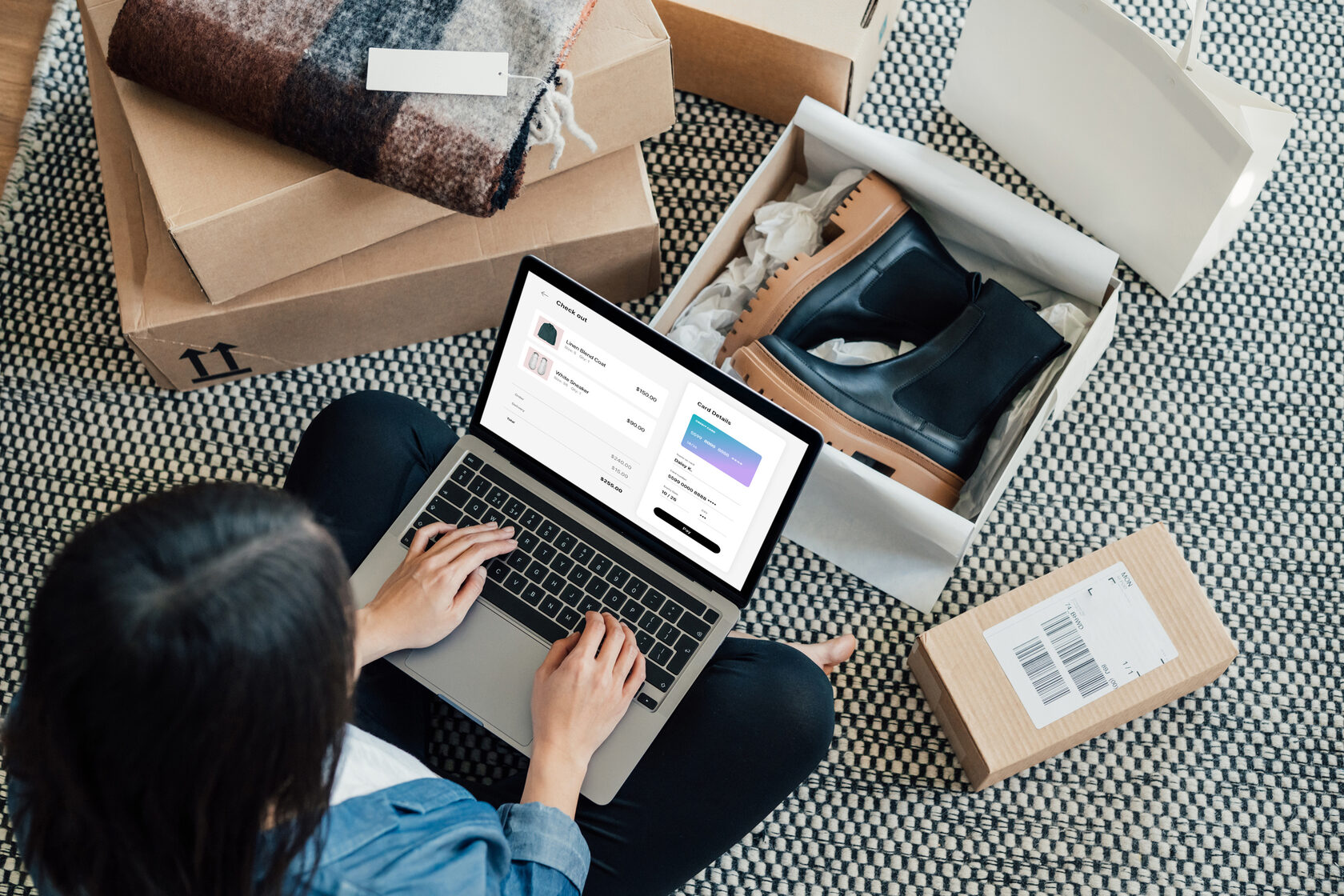
Online shopping has transformed the way we discover and buy fashion. With a few clicks, shoppers can order multiple sizes, compare colours at home and return anything that does not work. Convenient return policies have made online fashion easier than ever, but there is an environmental side to returns that is often overlooked.
A returned garment does not simply disappear from the environmental footprint of its original purchase. It may need to travel back through the delivery network, be inspected and processed, repackaged and transported again before reaching another customer. In some cases, returned clothing may not be resold at all.
In the UK, fashion returns generated an estimated 750,000 tonnes of CO₂ emissions in 2022, with reverse transport contributing a further 350,000 tonnes, according to research from the British Fashion Council's Institute of Positive Fashion, Roland Berger and DHL (British Fashion Council, 2023).
This does not mean consumers should avoid returning an unsuitable garment. Returns are an important part of online shopping, particularly when sizing and fit can be difficult to judge. Instead, understanding what happens behind the scenes can help us become more carbon-conscious shoppers and make more considered purchasing decisions.
Why Do Fashion Returns Have an Environmental Impact?
The Journey Doesn't End at Your Door
When an online fashion purchase is returned, the garment begins another journey through the supply chain. Instead of moving directly from retailer to customer, it may travel from the customer's home to a courier depot, distribution centre or specialist returns facility before being assessed and redirected.
Research published in Sustainable Futures found that transportation can account for more than 90% of the carbon footprint associated with apparel returns in some cases, demonstrating how important logistics are to the environmental cost of reverse supply chains (Sustainable Futures, 2025).
The distance travelled matters too. A return that crosses multiple distribution centres or travels internationally can create considerably more emissions than one processed close to the original delivery location. The environmental impact therefore extends beyond the garment itself to the infrastructure required to move it around.
For shoppers, this is an important reminder that convenience does not always equal low impact. Ordering several items with the expectation of returning most of them can create additional journeys that would not have been necessary if the purchase had been more carefully considered.
Packaging Creates Another Layer of Waste
One Purchase Can Mean Several Packaging Journeys
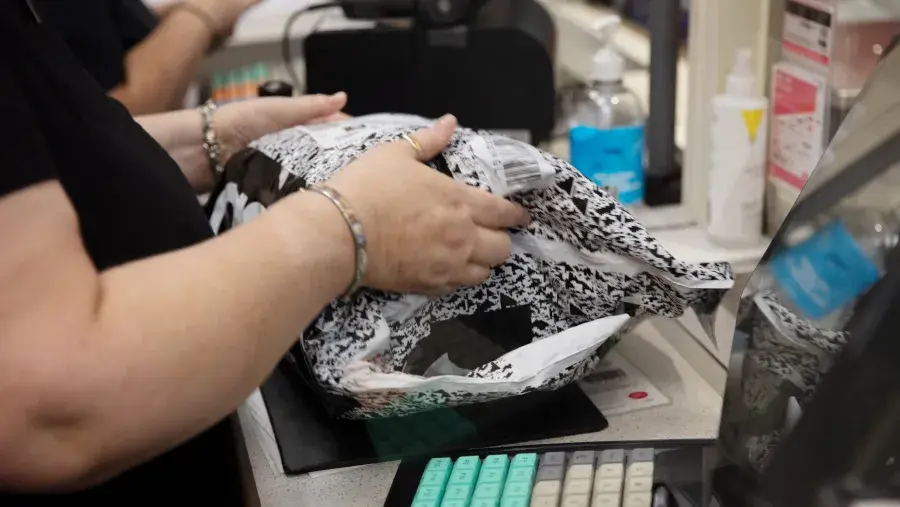
Packaging is another part of the return process that can easily go unnoticed. Clothing ordered online may arrive in a mailing bag or cardboard box, sometimes with additional protective packaging. When the item is returned, it needs to be packaged again so that it can travel safely through the reverse logistics network.
A 2025 study examining sustainable packaging and e-commerce returns found that packaging represents an important part of the environmental impact of fashion returns, alongside transportation. The researchers explored how reusable packaging systems could help reduce some of this impact (Journal of Cleaner Production, 2025).
Some retailers already encourage customers to reuse the original packaging when sending an item back, which can help avoid unnecessary materials. However, packaging is only one part of the wider issue. Even when the same mailing bag is reused, the garment still needs to make another journey and be processed when it reaches the retailer.
This is why reducing unnecessary returns can be more effective than focusing on packaging alone.
What Happens to Clothes After They're Returned?
Not Every Garment Goes Straight Back on Sale
It is easy to assume that an unworn garment returned with its tags attached simply goes back onto the website. Sometimes it does, particularly when the item is in perfect condition and can be efficiently processed. However, the journey can be more complicated.
Returned garments may need to be inspected, checked for damage, steamed, cleaned, repackaged and returned to inventory. If an item is no longer in season, has been damaged, or costs too much to process compared with its resale value, retailers may choose other routes, including outlet sales, liquidation or destruction.
The European Environment Agency estimates that around 20% of clothing purchased online in Europe is returned. Its research suggests that approximately 22–43% of returned online clothing may be destroyed, with an average estimate of around one-third (European Environment Agency, 2024).
These figures demonstrate why returns are an important issue for circular fashion. A garment that has barely been worn can still become waste if the system is unable to efficiently return it to another customer.
The issue is not simply that consumers return clothing. It is also about how retailers design their systems to ensure that returned garments remain in circulation.
Are Retailers Starting to Monitor “Serial Returners”?
As the environmental and financial costs of returns become harder for retailers to ignore, some online fashion businesses are beginning to monitor customers’ return behaviour more closely. ASOS is one example: under its current Fair Use Policy, the retailer calculates each customer's Return Rate by comparing the value of items returned with the value of items ordered over the previous 12 months. Customers can check their personal rate through their ASOS account. For customers with particularly high return rates, ASOS may deduct £3.95 from each returned parcel, while some higher-returning customers can also face an additional £3.95 handling fee. The policy applies to orders placed by non-ASOS Premier customers from 6 January 2026 and to ASOS Premier orders from 5 February 2026 (ASOS, 2026).
The policy represents a wider shift away from the era of unlimited, frictionless returns. ASOS says its Fair Use Policy exists to ensure free returns remain available to the majority of customers, while its current rules also allow the company to take action against unusual or suspicious return patterns. This raises an interesting question for sustainable fashion: could monitoring return behaviour encourage more thoughtful online shopping, or could it unfairly penalise customers who genuinely struggle with sizing and fit? The answer is likely to depend on how retailers balance responsible consumption with accessible and fair return policies. For shoppers, the message is not to avoid returning unsuitable clothing, but to avoid treating online orders as temporary wardrobes by buying large quantities with little intention of keeping them.
Why Fit and Sizing Matter
Better Information Could Prevent Unnecessary Returns
Sizing and fit are among the biggest reasons people return clothing purchased online. Research from the British Fashion Council found that incorrect size or fit was cited as a reason for returns by 93% of surveyed UK consumers, while 81% cited product quality not meeting expectations (British Fashion Council, 2023).
This highlights an important responsibility for retailers as well as consumers. Detailed size guides, accurate garment measurements, model information, fabric descriptions and clear photographs can all help shoppers understand what they are purchasing before placing an order.
For consumers, taking a few extra minutes to check measurements can make a meaningful difference. Rather than automatically ordering several sizes or colours with the intention of keeping only one, consider which option is most likely to work based on the available information.
Of course, not every return can be avoided. A garment may look different in person, fit unexpectedly or arrive with a fault. Returning something that genuinely does not work is far more responsible than keeping an unwanted item hidden at the back of a wardrobe.
How Can Shoppers Reduce the Impact of Returns?
Shop More Intentionally
Reducing unnecessary returns starts with slowing down the online shopping process. Before purchasing, check the size guide, read customer reviews, look carefully at fabric composition and consider whether the garment genuinely fills a need in your wardrobe.
It can also help to think about cost-per-wear rather than simply the initial price. Investing in durable pieces that can be worn repeatedly supports a more sustainable wardrobe and reduces the cycle of buying, returning and replacing clothing.
If something does need to be returned, reuse the original packaging where possible and follow the retailer's return instructions carefully. Avoid wearing or washing an item unnecessarily if you already know you will send it back, as keeping it in resalable condition gives it the best chance of returning to circulation.
Ultimately, responsible online shopping is not about never making a mistake. It is about becoming more conscious of the journey behind every purchase and supporting a fashion system where garments are valued, used and kept in circulation for as long as possible.
Building a More Conscious Fashion Future
The environmental impact of online returns demonstrates how sustainability extends far beyond the materials used to make a garment. Transportation, packaging, processing, inventory management and end-of-life decisions can all influence a product's overall footprint.
For consumers, the answer is not to feel guilty about every return. Instead, we can make more informed choices, reduce unnecessary purchases and support brands that are transparent about how they manage their products throughout their lifecycle.
For the fashion industry, reducing returns will require better sizing information, smarter logistics, reusable packaging and stronger systems for reselling returned products. Keeping garments in use for longer is a fundamental principle of circular fashion, and returned clothing should be treated as a resource rather than an inevitable waste stream.
Shop With the Bigger Picture in Mind
At The Carbon Closet, we believe sustainable fashion is about making more informed choices at every stage of the shopping journey. As a platform dedicated to carbon-conscious, ethical fashion, vegan and more sustainable fashion choices, we make it easier to discover brands that consider their environmental and social impact. By choosing thoughtfully, investing in pieces you genuinely love and supporting responsible brands, shoppers can help move fashion towards a more considered and circular future.
Shop from our website for truly ethical and conscious fashion pieces and sign up to our newsletter to explore more top sustainable fashion stories.
Enjoyed this? Here are some more articles we think you'll love:
Can Luxury Fashion Become Fully Vegan
Why Big Fashion Is Betting On Second-Hand Stores
Shein Buys Everlane: What Happens Next?
Can Luxury Fashion Become Fully Vegan
Why Big Fashion Is Betting On Second-Hand Stores
Shein Buys Everlane: What Happens Next?
