Luxury Fashion’s Changing Relationship With Materials
For decades, luxury fashion has been closely associated with materials such as leather, fur, exotic skins and wool. From handbags and shoes to outerwear and accessories, animal-derived materials have traditionally represented craftsmanship, durability and status. However, as consumer expectations change and innovative alternatives continue to develop, the luxury industry is beginning to rethink its relationship with these materials.
Today, designers and luxury brands are exploring whether fashion can maintain its reputation for quality and craftsmanship without relying on animal-based materials. With advancements in plant-based leather alternatives, bio-based textiles and innovative manufacturing processes, the question is becoming increasingly relevant: can luxury fashion become fully vegan?
While some brands are already moving towards animal-free alternatives, achieving a completely vegan luxury industry comes with challenges. From scaling new materials to ensuring durability and reducing environmental impact, the future of vegan luxury will depend on continued innovation and investment.
Why Has Luxury Fashion Traditionally Relied on Animal Materials?
The History of Leather, Fur and Exotic Skins in Luxury
Animal-derived materials have played a significant role in luxury fashion for generations. Leather, in particular, became synonymous with premium craftsmanship due to its durability, flexibility and ability to develop a unique appearance over time.
Luxury handbags, footwear and accessories have historically used materials such as calf leather, lambskin and exotic skins because they were considered symbols of quality and exclusivity. Similarly, materials like fur and wool became associated with warmth, heritage and traditional craftsmanship.
However, growing awareness around animal welfare, environmental impacts and ethical consumption has encouraged both consumers and designers to question whether these materials remain necessary in modern fashion.
As sustainability becomes a bigger priority, luxury brands are being challenged to find alternatives that deliver the same level of performance and aesthetics while aligning with more ethical and environmentally conscious values.
The Rise of Vegan Innovation in Luxury Fashion
Creating Alternatives Without Compromising Design
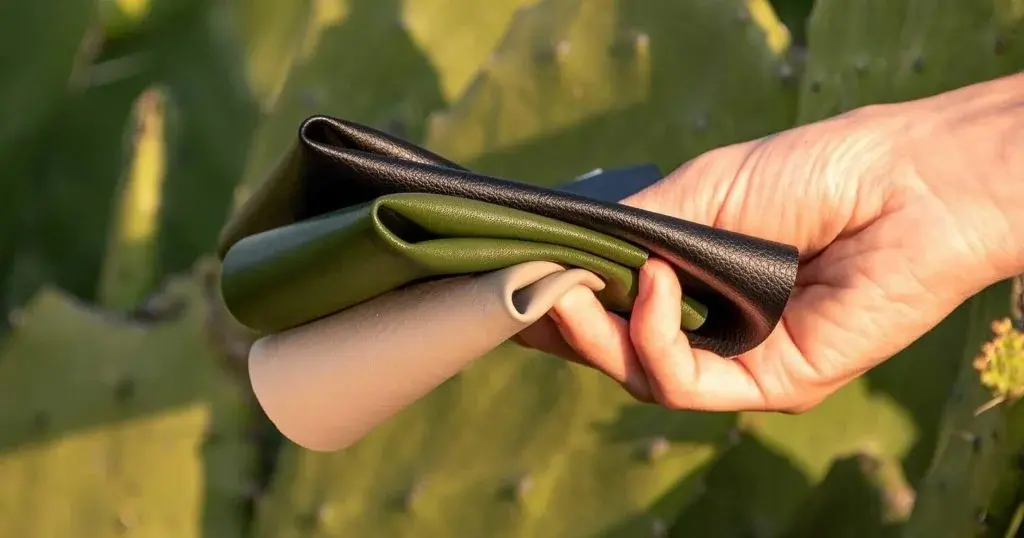
One of the biggest developments in sustainable fashion has been the rapid growth of innovative vegan materials. Unlike earlier alternatives that often relied heavily on synthetic plastics, newer technologies are exploring plant-based, bio-based and lower-impact solutions.
Luxury brands have increasingly invested in research and development to create materials that can replicate the look, feel and durability of traditional leather.
For example, Stella McCartney has been one of the most recognised pioneers in vegan luxury fashion. The brand has long avoided leather and fur, instead experimenting with alternatives such as mushroom-based materials, recycled fibres and bio-based innovations. Its commitment demonstrates how luxury fashion can explore craftsmanship without relying on animal-derived materials.
Another example is Gucci, which developed Demetra, a proprietary material designed as an alternative to traditional leather. Made using Gucci’s existing leather craftsmanship techniques, Demetra aims to provide a durable and flexible material while reducing reliance on conventional leather.
These innovations show that vegan luxury is no longer simply a concept — it is becoming an active area of research, investment and creative development.
What Are the Challenges of Creating Fully Vegan Luxury?
Scaling Sustainable Materials
Although vegan material innovation is progressing rapidly, creating a fully vegan luxury industry is not without challenges.
One of the biggest barriers is scalability. Many emerging materials are still produced on a smaller scale and require further development before they can meet the demands of global fashion production. Luxury brands need materials that are not only animal-free but also durable, high-quality, commercially available and consistent.
Another challenge is ensuring that vegan alternatives are genuinely sustainable. Some synthetic vegan leathers are made using fossil fuel-based plastics, meaning they may avoid animal materials but still contribute to environmental issues such as carbon emissions and microplastic pollution.
This highlights the importance of developing materials that consider their entire lifecycle — from sourcing and manufacturing to durability and end-of-life options.
According to Textile Exchange, improving the environmental impact of materials requires a holistic approach that considers climate, biodiversity, resource use and responsible production practices (Textile Exchange, 2025).
Could Vegan Luxury Become the New Standard?
Changing Consumer Expectations
The luxury industry has always been driven by craftsmanship, innovation and exclusivity. Today, sustainability is becoming another important measure of quality.
Many younger consumers are increasingly interested in where products come from, how they are made and whether their purchases reflect their personal values. This shift is encouraging luxury brands to explore alternatives and rethink long-established traditions.
A fully vegan luxury industry may still be some way away, but the direction of change is clear. More brands are investing in animal-free materials, removing fur from collections and exploring new approaches to responsible design.
Rather than seeing vegan fashion as a limitation, many designers now view it as an opportunity for creativity. Developing new materials allows the industry to combine technology, science and craftsmanship in ways that were previously impossible.
The Future of Vegan Luxury Fashion
The journey towards fully vegan luxury fashion will require continued innovation, transparency and collaboration. While brands have made significant progress, replacing traditional materials at a global scale will take time.
The future of luxury may not be defined by the rarest animal-derived materials, but by the most advanced, responsibly created alternatives. From mushroom-based leather to plant-derived textiles, the next generation of luxury materials could redefine what quality and craftsmanship mean.
As technology develops, vegan luxury has the potential to become more accessible, more sustainable and more widely accepted across the fashion industry.
Discover More Sustainable and Vegan Fashion Choices
At The Carbon Closet, we believe the future of fashion lies in innovative, responsible choices. As a sustainable fashion platform focused on carbon-conscious, ethical fashion, vegan and lower-impact brands, we make it easier to discover clothing and accessories that reflect a more sustainable approach to style. By supporting brands exploring innovative materials and responsible production methods, we can all contribute towards a fashion industry that values both creativity and the planet.
Shop from our website for Stella McCartney products, amongst many more luxury, vegan brands and sign up to our newsletter to learn more about building your own conscious wardrobe.
Enjoyed this? Here are some more articles we think you'll love:
