
Rethinking the Stretch in Our Clothes
From leggings and sports bras to swimwear, underwear and fitted everyday clothing, spandex — also known as elastane — is one of fashion's most useful materials. Its exceptional stretch and recovery allow garments to move with the body while maintaining their shape. However, conventional elastane is a fossil-based synthetic fibre, and its presence can create challenges for textile recycling. Textile Exchange identifies elastane as one of the synthetic fibres that can be difficult to recycle, particularly when it is blended with other materials (Textile Exchange, 2026).
Now, material innovation could offer another route. Hyosung TNC, one of the world's largest spandex manufacturers, has been developing a bio-based alternative made using sugarcane-derived feedstock. Its regen™ BIO Spandex is moving towards commercial-scale production, representing an interesting development in the industry's search for lower-impact alternatives to conventional fossil-based synthetics (Hyosung TNC, 2026). But can bio-based spandex really make fashion more sustainable?
Why Does Spandex Matter?
The Hidden Synthetic in Your Wardrobe
Spandex may not be the most visible fabric in our wardrobes, but it plays an important role in modern clothing. Small amounts can provide the stretch, flexibility and shape retention needed for activewear, swimwear, underwear and many fitted garments.
The problem is that conventional elastane is generally made from fossil-based chemical inputs. Textile Exchange notes that virgin synthetic fibres are typically derived from fossil resources and can be difficult to recycle, particularly when combined with other materials (Textile Exchange, 2026).
This creates a particular challenge for sustainable fashion. A garment might otherwise be made from a preferred natural or recycled fibre, but a small percentage of elastane can complicate its end-of-life options. As the fashion industry looks to create more circular fashion systems, finding alternatives to fossil-based stretch fibres could therefore become increasingly important.
What Is Bio-Based Spandex?
From Sugarcane to Stretch
Bio-based spandex is designed to retain the performance characteristics that make elastane so useful, while replacing some fossil-derived raw materials with renewable alternatives.
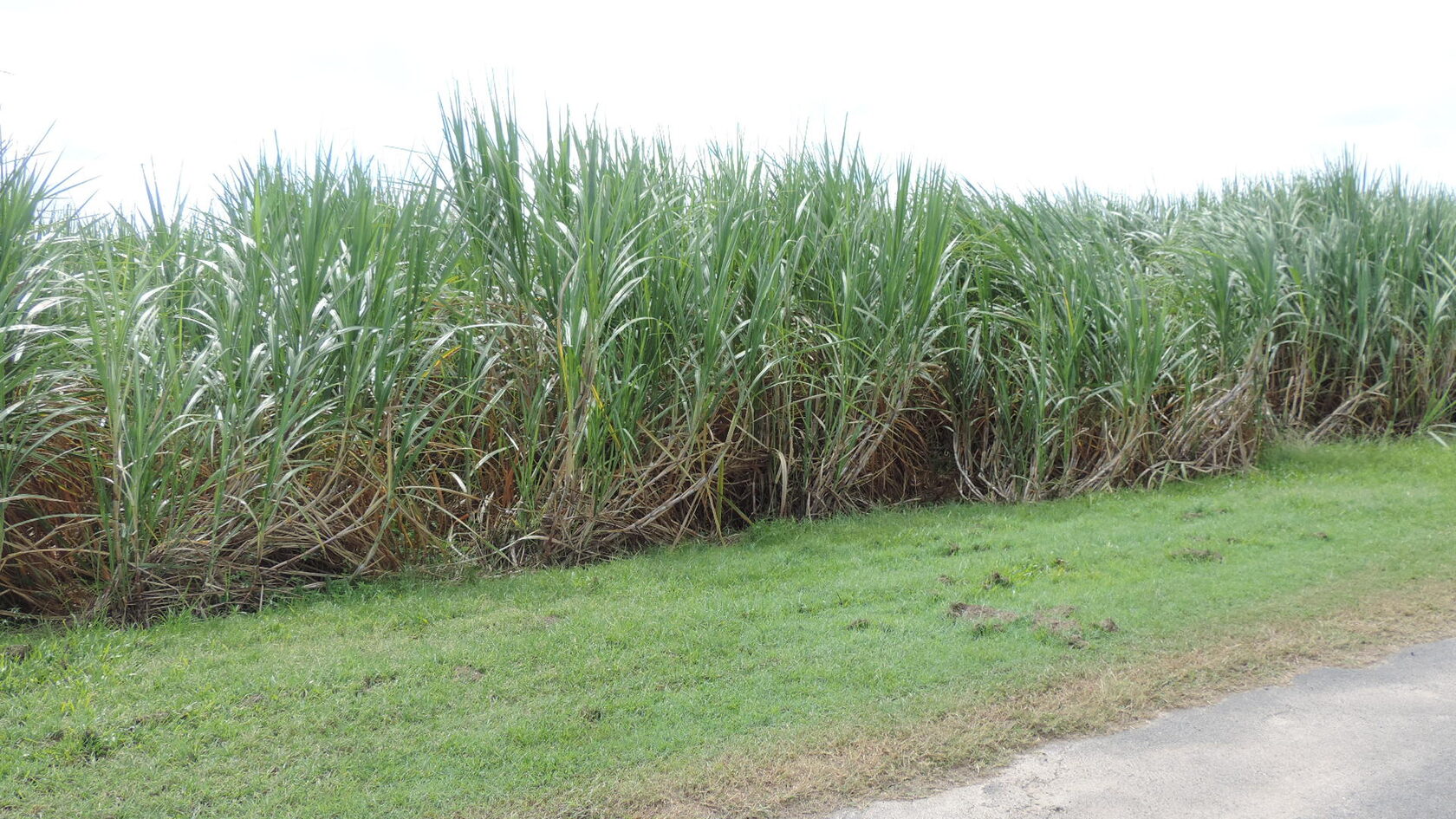
Hyosung's latest system uses sugarcane-derived sugars to produce Bio-BDO, a key chemical building block used to manufacture spandex. The company's integrated production process then converts this into Bio-PTMG before producing its regen™ BIO Spandex fibre (Hyosung TNC, 2024).
The approach is particularly interesting because the finished material is still spandex. Rather than asking fashion brands to completely redesign garments around a different fibre, bio-based spandex aims to provide a more straightforward transition away from some fossil-based inputs while retaining the stretch and recovery required for performance clothing. Hyosung says its bio-based spandex is designed to deliver the durability, stretch and recovery expected in activewear, sportswear and compression applications (Hyosung TNC, 2026).
Could It Reduce Fashion's Carbon Footprint?
Moving Away From Fossil-Based Resources
One of the biggest potential advantages of biosynthetics is their ability to replace some fossil-derived resources with renewable feedstocks. Textile Exchange describes biosynthetics as materials that can be wholly or partly derived from renewable sources including sugarcane, corn, wheat and other plant-based resources (Textile Exchange, 2026).
Hyosung's integrated bio-spandex system is built around sugarcane, with the company investing in production infrastructure in Vietnam. The company says its Bio-BDO replaces fossil raw materials and has secured ISCC PLUS certification for its bio-spandex system (Hyosung TNC, 2024).
However, bio-based does not automatically mean sustainable. The environmental impact of a material depends on much more than where its carbon originally came from. Textile Exchange highlights the need to consider factors including land use, biodiversity, soil health, circularity and the way feedstocks are produced when assessing biosynthetic materials (Textile Exchange, 2022).
This is an important distinction for carbon-conscious consumers. A plant-based material can offer significant potential, but responsible sourcing and transparent environmental data are still essential.
What Could Bio-Based Spandex Mean for Circular Fashion?
Solving One Problem Without Creating Another
Replacing fossil-based inputs is only one part of making textiles more circular. A truly circular fashion system also needs garments to be durable, repairable, reusable and recyclable.
Elastane remains challenging from a recycling perspective. Textile Exchange notes that it can be difficult to separate elastane from other fibres, which can limit recycling options for blended textiles (Textile Exchange, 2026). This means that switching to bio-based spandex does not automatically make a garment recyclable or biodegradable.
Instead, its potential lies in addressing another part of the problem: reducing reliance on virgin fossil-based feedstocks. Textile Exchange's work on the future of synthetics highlights biosynthetics, alongside textile-to-textile recycling and other innovations, as potential tools for moving away from new fossil resources (Textile Exchange, 2024).
For the fashion industry, this could be particularly valuable in garments where stretch is essential and eliminating elastane altogether is currently difficult.
The Challenges of Going Bio-Based
Is Sugarcane the Perfect Solution?
There is no single material that can solve fashion's environmental challenges. Sugarcane is a renewable resource, but growing crops at scale still requires land, water and agricultural inputs. Depending on how and where crops are produced, there can also be implications for biodiversity, food systems and land use.
This is why comparing materials requires a much broader perspective than simply asking whether something is plant-based. Textile Exchange recommends assessing biosynthetics according to their individual feedstocks, production methods, geographic context and wider environmental and social impacts (Textile Exchange, 2022).
There is also the question of scale. Developing an innovative fibre is one thing; producing it consistently at the volumes required by a global fashion industry is another. Hyosung's recent investment in an integrated production system demonstrates how much infrastructure is required to move bio-based materials from innovation towards wider commercial adoption (Hyosung TNC, 2024).
Could Bio-Based Spandex Be Part of Fashion's Future?
The development of sugarcane-based spandex is an encouraging example of how fashion's most difficult material challenges are beginning to receive more attention. Stretch fibres are easy to overlook, but they can have an outsized influence on how garments are designed, worn and eventually recycled.
Bio-based spandex is not a perfect solution, nor should it be treated as one. Instead, it represents one piece of a much larger transition towards sustainable fashion — alongside recycled materials, responsible sourcing, better garment design, repair, reuse and improved textile recycling.
For consumers, the development is a reminder that sustainability is not always about replacing an entire garment with something completely different. Sometimes, meaningful progress comes from rethinking one small component at a time. As material science develops, innovations such as bio-based elastane could help the industry reduce its reliance on fossil resources while maintaining the performance consumers expect.
Discover More Sustainable Fashion With The Carbon Closet
Creating a more sustainable wardrobe starts with understanding the materials behind the clothes we wear. The Carbon Closet is a sustainable fashion platform bringing together carbon-conscious, ethical, vegan and sustainable brands, making it easier to discover clothing created with more responsible materials and practices. Explore The Carbon Closet to find fashion that reflects a more thoughtful approach to the future of our wardrobes.
Shop from our website for more innovative, bio-based materials and sign up to our newsletter to stay on top of all the latest sustainable fashion news.
Enjoyed this? Here are some more articles we think you'll love:
